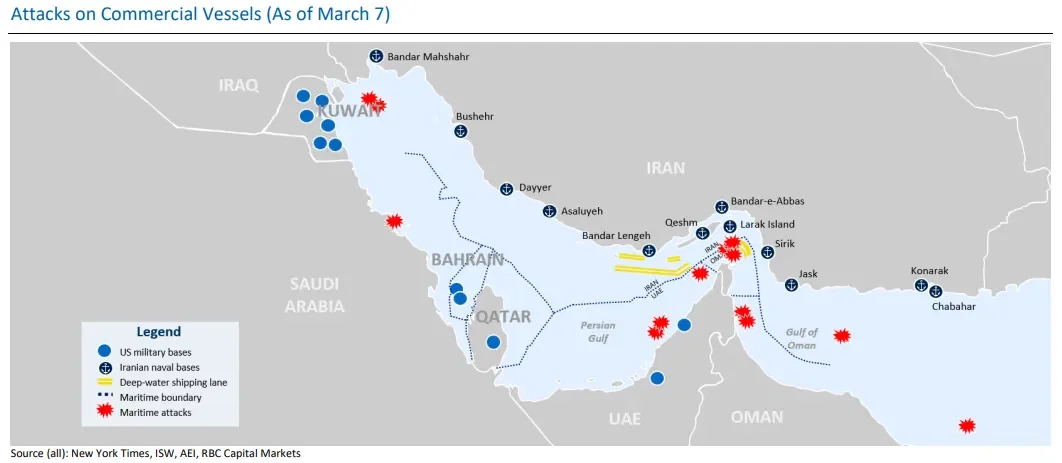
A significant jolt has hit global financial landscapes, with oil prices surging and the Australian Securities Exchange (ASX) shedding approximately $90 billion in market value. This downturn is directly linked to escalating tensions and fears of a prolonged conflict in the Middle East, disrupting supply chains and stoking inflation anxieties. The volatility saw the ASX 200 index fall 2.9 per cent, with energy stocks leading the decline.
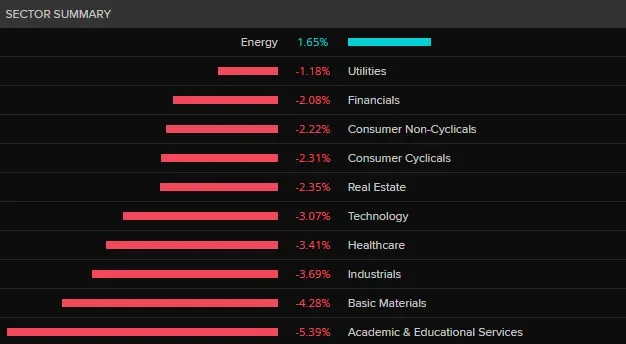
The ripple effect of the Middle East crisis extended beyond energy markets, impacting a broad spectrum of economic activity. Archival Garcia, chief executive of Melbourne freight technology company Fluent Cargo, noted that losses accelerated as hopes for a swift resolution to the conflict faded. The disruption to oil supplies is identified as a primary driver of global inflation, directly influencing the cost of goods and services, from fuel to daily necessities and travel. This exogenous shock, coupled with already elevated interest rates, traditionally signals a period of market selldown.
Read More: New Coursera Money and Banking Course Offers Emerging Market Examples
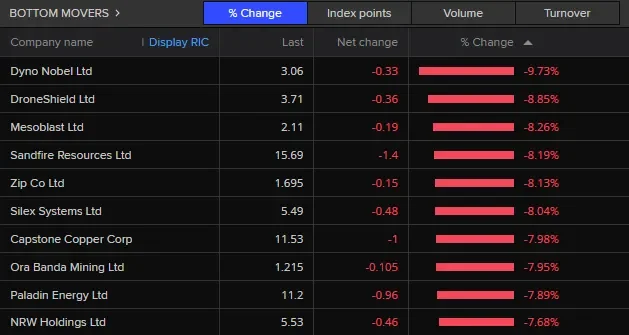
Market Plunge and Subsequent Recovery Efforts
The ASX experienced a sharp downturn, losing $90 billion as crude prices climbed towards $US120 a barrel. This spike triggered a broad sell-off across Asia-Pacific equities, with circuit-breakers activated in South Korea. Fears of reignited inflation, dampened global growth, and potential further interest rate hikes by central banks were prevalent. Bond traders responded by rapidly repricing expectations for Australian interest rates, with the three-year government bond yield reaching a decade high and the 10-year yield surpassing 5 per cent.
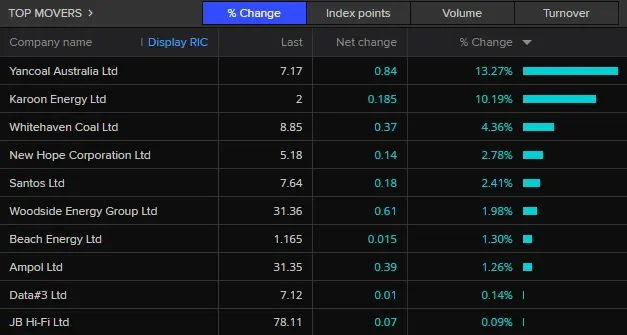
Despite the initial sharp decline, there were signs of a market bounce. In one reported session, nine out of eleven local sectors ended higher. The heavyweight financials sector saw gains, with major banks like Westpac leading the advance. The S&P/ASX200 ultimately rose 93.6 points (1.09 per cent) to 8,692.6, and the broader All Ordinaries gained 100.6 points (1.14 per cent) to 8,924.2. This recovery was partly attributed to pronouncements from US President Donald Trump regarding the timeline of the Iran conflict, and consideration by G7 finance ministers to potentially tap oil reserves, though no immediate action was taken.
Read More: Matt Davidson's June 2023 Art Shows Australian Economy Problems
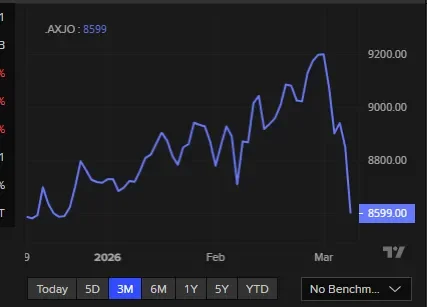
Context and Historical Perspective
Historically, periods of market distress triggered by geopolitical events have seen eventual recovery. In 78 per cent of previous occasions where the ASX 200 experienced declines linked to similar triggers, the index subsequently added an average of 27 per cent. The current market decline of 613.60 points, or 6.69 per cent, since the conflict's onset, follows a pattern where initial volatility can give way to a rebound. Analysts suggest that such supply-side shocks, while disruptive, do not always portend long-term economic damage.
ASX Limited: The Exchange Itself
The Australian Securities Exchange (ASX) Limited operates as a crucial entity within this financial ecosystem, providing a range of services including securities and derivative exchange operations, clearing, settlement, and registry functions. It facilitates trading across multiple asset classes, including equities, bonds, and exchange-traded products, and offers data and technology services to market participants. The performance of ASX Limited's own stock is monitored, with varying professional ratings indicating differing perspectives on its future trajectory.
Read More: Migrant Workers Send Money Home, Delaying Own Savings