ASUS has publicly demonstrated what appears to be a future RTX 5090 graphics card, notable for its integration of a 16-pin connector and operation within a 48V power system. The demonstration occurred at Computex, a major technology trade show.
This unveiling signals a significant shift in power delivery for high-end graphics processing units, potentially indicating a new standard for enthusiast-grade components. The use of a 16-pin connector, as seen in recent component releases, suggests increased power draw and a streamlined connection compared to older configurations. The 48V system further implies a more efficient and robust power delivery architecture, moving away from more traditional voltage standards in consumer hardware.
Component Landscape
The news places ASUS at the forefront of emerging GPU technology. The company, already a dominant force in motherboard manufacturing and a broad spectrum of PC components, from laptops and monitors to networking equipment and gaming accessories, is now showcasing its readiness for the next generation of graphics cards. This demonstration is particularly salient given ASUS's established reputation for reliability and performance across its diverse product lines.
Read More: Chrome mimeHandler API lets extensions handle file types

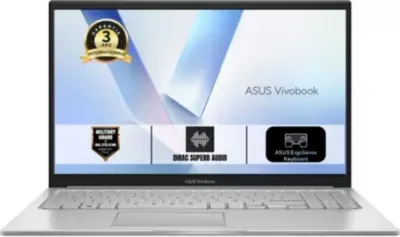
The company's extensive product catalog includes laptops like the VivoBook S14, praised for its suitability for daily tasks, and the ZenBook series, featuring advanced processors and OLED displays. Their offerings also span gaming peripherals, cooling solutions, and even barebones PC kits. This comprehensive involvement in the PC hardware ecosystem underscores ASUS's strategic position in influencing and adapting to technological advancements.
Background information indicates ASUS holds the top global position for motherboard production, a testament to their long-standing engineering prowess and market presence. Their products are generally marketed towards fulfilling a wide range of user needs, from professional productivity to immersive entertainment. This latest graphics card reveal is a continuation of that trajectory, pushing the boundaries of what's expected in consumer-level computing hardware.