ASUS is reportedly setting up infrastructure to manufacture its own Dynamic Random Access Memory (DRAM) chips internally, aiming for a 2026 launch. This strategic shift, driven by persistent memory shortages and rising procurement costs, signals a significant departure from its current reliance on third-party giants like Samsung, Micron, and SK Hynix for its prominent ROG and TUF product lines.

The move could potentially offer end-users performance and stability improvements by allowing ASUS to fine-tune memory modules specifically for its own motherboards. Beyond securing its internal supply chain, if ASUS can meet its own demand, it may eventually open up possibilities for supplying other PC manufacturers, thus diversifying its business model. This undertaking is described as a risky but potentially necessary gamble for the company's long-term survival.
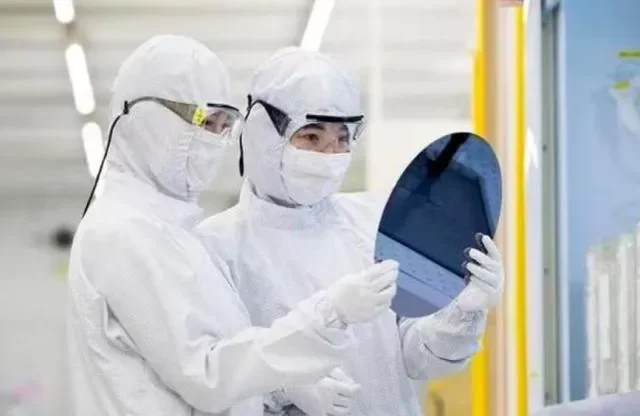
Manufacturing Edge in South Korea
In parallel, ASUS is actively accelerating its push into the server market within South Korea. The company is leveraging its manufacturing expertise, established relationships with major memory makers, and flexible design and supply strategies. This initiative is specifically timed to capitalize on significant procurement opportunities arising in the South Korean market.
Read More: AI Maps UK Wilds for Fewer Hedgehogs
The Shifting Semiconductor Landscape
The global semiconductor industry is experiencing a structural bifurcation. High-end semiconductors, particularly those for AI and High-Performance Computing (HPC), are increasingly centered around the United States. Meanwhile, commoditized semiconductors are gravitating towards China. South Korea, a nation heavily reliant on semiconductors for its exports – consistently accounting for around a third of its monthly shipments – faces structural challenges in this evolving landscape. Its semiconductor dominance, while an advantage for AI, also creates economic vulnerabilities due to volatile global price cycles.
South Korea's Memory Dominance and AI Ambitions
South Korea's position as a leading memory chip producer, with giants like Samsung Electronics and SK Hynix, is seen as a significant advantage in the global race for AI capabilities. Industry observers note that the immense memory requirements of AI directly play to South Korea's strengths. This dominance has even prompted discussions with global figures like OpenAI's CEO Sam Altman, who urged South Korea to lead AI chip production.
Read More: Critica Rare Earths Reach 97% Purity in Western Australia
However, the nation's semiconductor industry also faces complexities. While strong in memory and foundry, there's a noted dependence on Japan for certain components, particularly power semiconductors and other system semiconductor elements. Establishing a robust system semiconductor sector, bridging the gap between U.S. fabless innovation and Korean manufacturing strengths, remains a key objective for sustained global competitiveness. Recent market activity shows significant gains for Korean chip-related stocks, including those supplying major DRAM players and those involved in advanced HBM production, partly influenced by ongoing geopolitical tensions impacting global supply chains.