New research indicates that the "dirt" found on asteroids, known as regolith, exhibits a far greater volume and fluffier consistency than previously understood, particularly in the low-gravity environments of these celestial bodies. Experiments utilizing samples of fine basalt, coarse basalt, and spherical glass beads demonstrated a significant expansion in volume for all materials when subjected to simulated lower gravity conditions. This finding has implications for our comprehension of how extraterrestrial materials behave and interact on smaller planetary bodies across the solar system.

Deeper Dive into Asteroid Material Properties
The study, which involved testing different types of simulated space dirt, underscores the significant impact of gravity on the packing density of regolith. Even seemingly solid glass beads showed an increased volume under reduced gravitational pull. This characteristic is crucial for understanding phenomena ranging from the stability of asteroid surfaces to the potential challenges and opportunities presented by future asteroid resource utilization. While further investigation is required, this work offers a critical step toward a more accurate model of regolith mechanics in space.
Read More: New Study: Cosmic Neighborhoods Help Find Alien Life
The Elusive Nature of Asteroid Dust
Concurrently, the question of why some asteroids appear to lack significant dust cover remains a point of scientific interest. Research efforts have seen contributions from institutions like the Lagrange laboratory and the Laboratoire d'études spatiales et d'instrumentation en astrophysique, with support from the French space agency. Understanding dust distribution on asteroids is vital for missions aiming to sample or utilize these bodies, as it directly impacts instrument performance and operational strategies.
Asteroid Composition and the Origins of Our Solar System
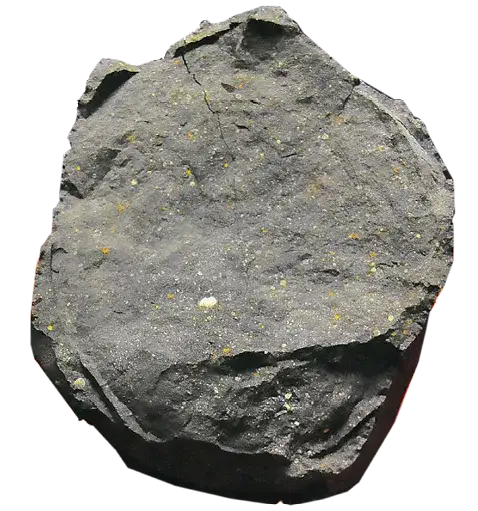
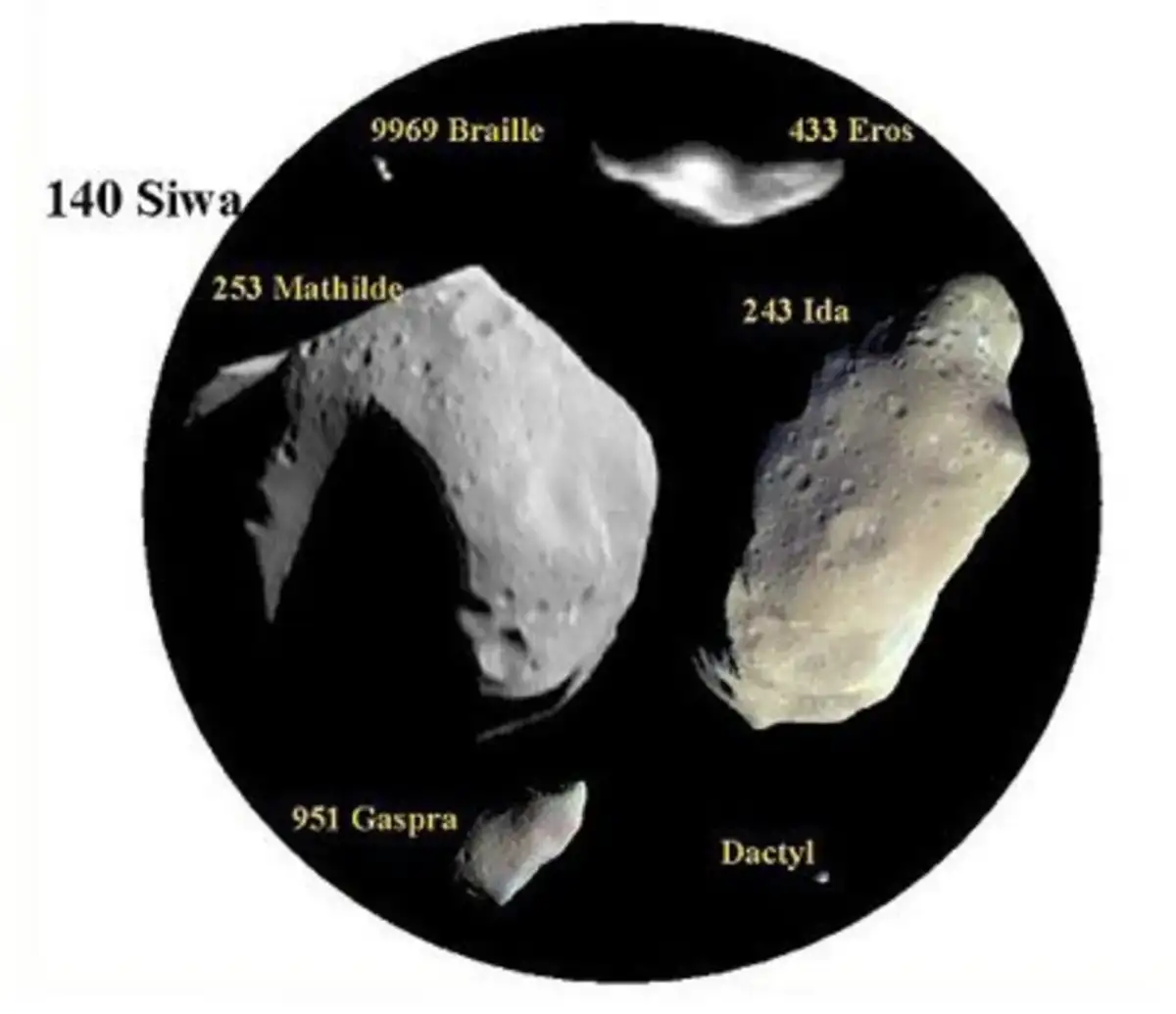
Asteroids themselves are far from monolithic objects. They present a complex mixture of materials, including metals, carbon compounds, and silicate rocks. Some asteroids, particularly the carbonaceous C-types, are almost coal-black due to high concentrations of carbon molecules. Others, the S-types, are primarily composed of silicate rocks and metals, appearing grey. The structure of these bodies can range from loose accumulations of "rubble" to more cohesive masses.
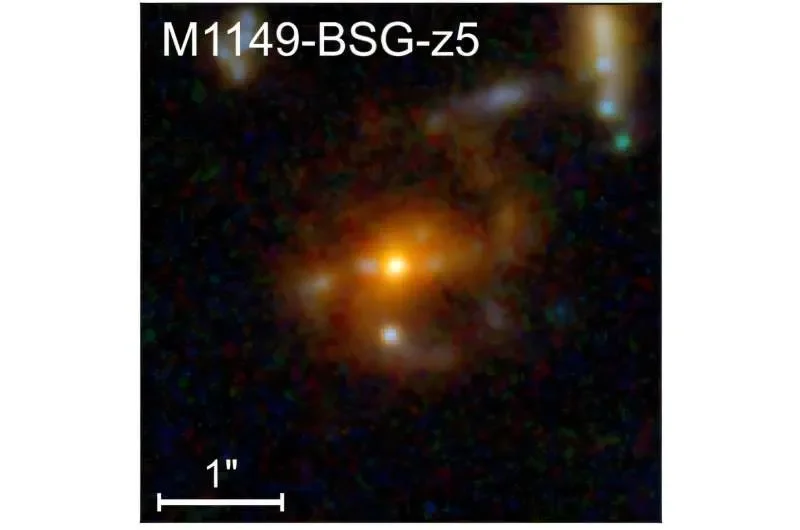
Read More: JWST Finds Oldest Barred Spiral Galaxy M1149-BSG-z5
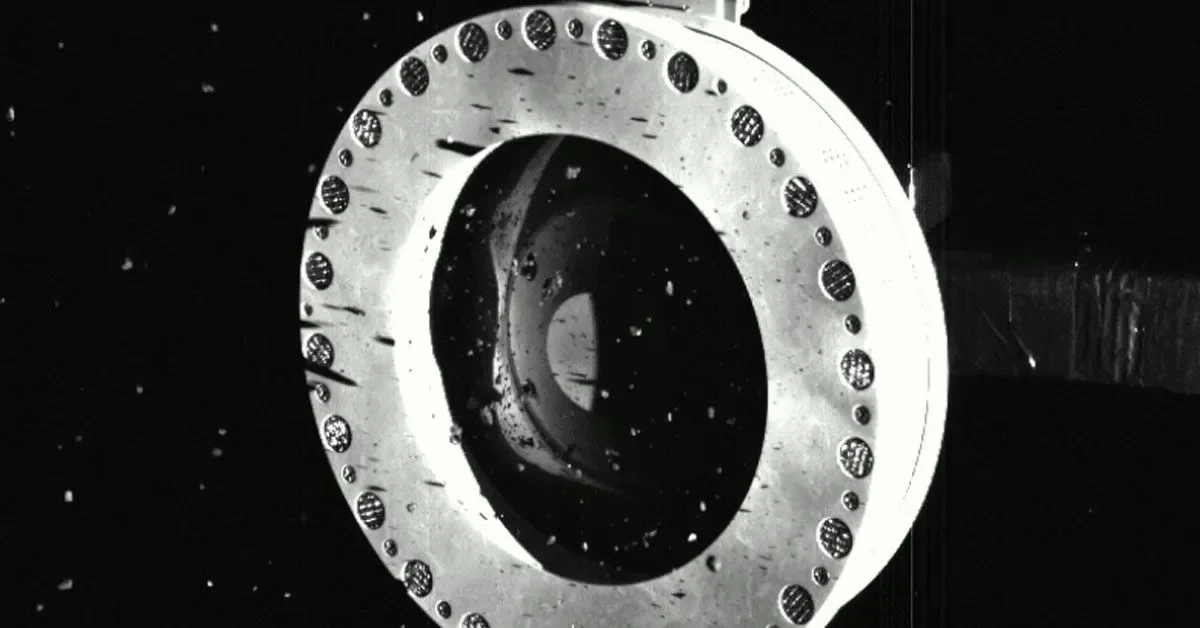
The study of asteroid samples, such as those returned by NASA's OSIRIS-REx mission and Japan's Hayabusa2 mission, holds the potential to unlock secrets about the early solar system. The dust and particles retrieved offer a direct link to the conditions during planet formation, with specific attention paid to the role of 'chondrules'—small, bead-like structures within some meteorites. Analyzing these ancient materials could shed light on the very processes that led to the creation of our solar system and the planets within it.
Future Prospects: Asteroid Mining and Resource Utilization
The prospect of 'mining' asteroids is increasingly being considered, not just for precious metals, but for essential resources like water, which could be used for rocket fuel and other in-space applications. Companies are exploring concepts for robotic harvesters and the subsequent utilization of extraterrestrial materials for construction and propulsion. The characteristics of asteroid regolith, including its potential for expansion in low gravity, are therefore directly relevant to the feasibility and design of such operations.
Read More: Space debris forces NASA satellites to change paths in May 2026
Broader Implications of Asteroid Impacts
Beyond resource studies, understanding asteroid composition and dynamics is crucial for planetary defense. The size and trajectory of asteroids pose varying degrees of risk, with larger bodies capable of causing catastrophic events, including extinction-level impacts. Research continues to refine our understanding of the potential damage from asteroid collisions, informing efforts to detect and, if necessary, mitigate such threats. The study of returned asteroid samples can also provide insights into the forces and materials involved in ancient impact events.