NAVIGATIONAL ADJUSTMENT: SPACE ROCK SET FOR CLOSE SHAVE WITH MOON
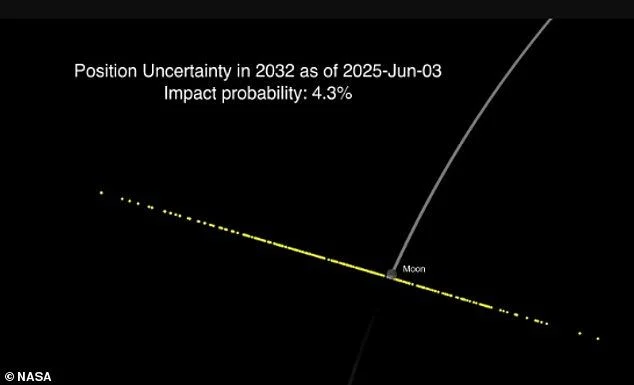
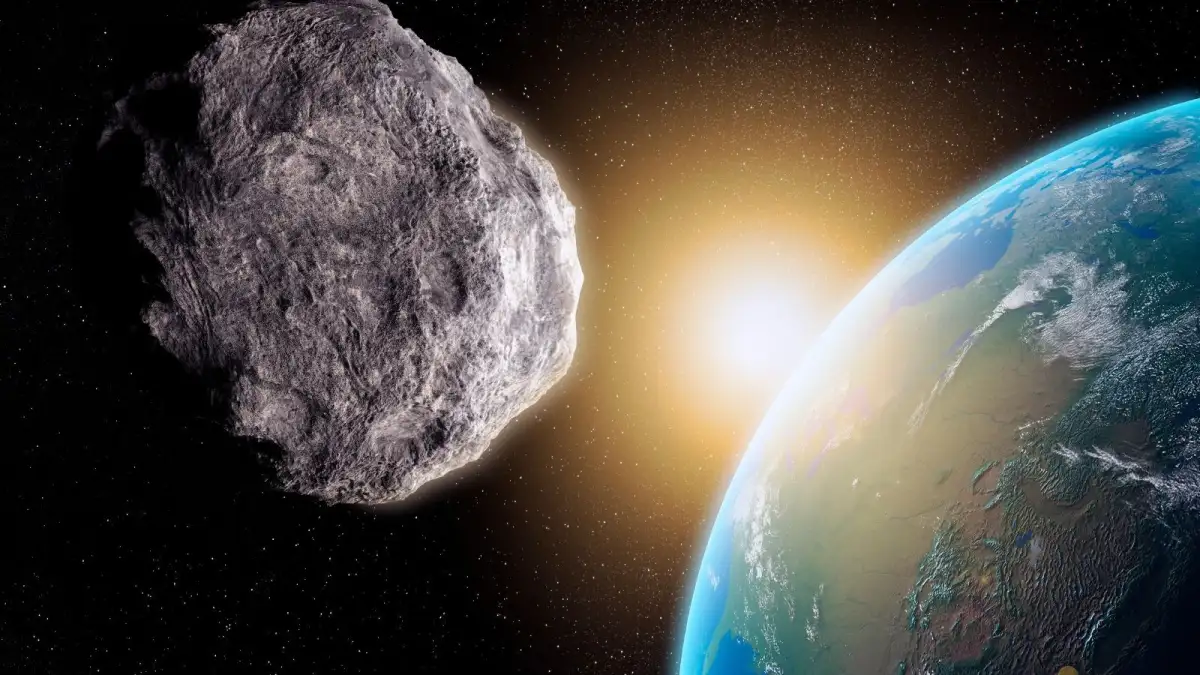
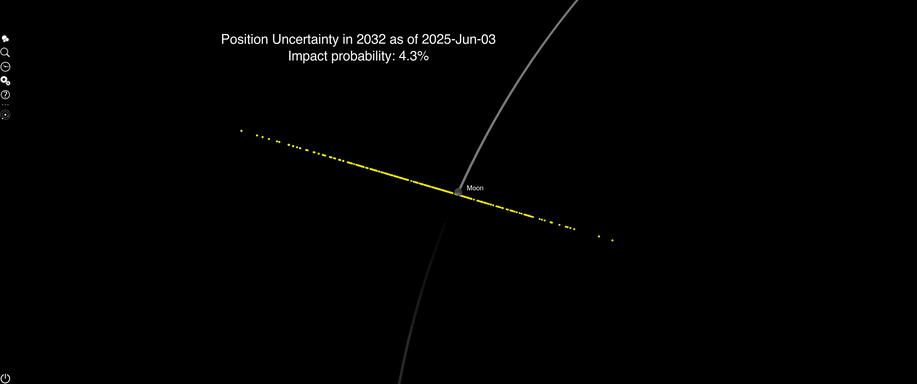
Recent observations, particularly those employing the James Webb Space Telescope (JWST), have provided updated trajectories for the asteroid designated 2024 YR4. This celestial body, once a source of uncertainty regarding a potential terrestrial impact, is now projected to pass a scant 13,200 miles from the lunar surface in 2032. The shift in orbital prediction effectively removes Earth from the asteroid's path.
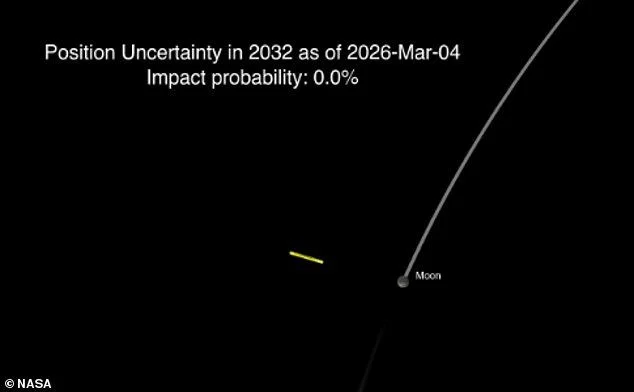
While a direct collision with our planet has been largely discounted by scientific bodies like NASA and the European Space Agency (ESA), the possibility of a lunar rendezvous has persisted. Earlier projections had indicated a marginal chance of impact, a scenario that has now been refined. The revised calculations suggest that while a lunar strike is no longer considered a certainty, the asteroid's path brings it remarkably close to our natural satellite.
Read More: US Space Force Victus Haze Mission Successfully Tests Orbital Intercepts
UNCERTAINTY AND OBSERVATION
The process of definitively mapping the orbital path of Near-Earth Objects (NEOs) such as 2024 YR4 is an ongoing endeavor. Preliminary assessments often carry a degree of imprecision, leading to fluctuating probability figures for potential impacts. The JWST, described as the world's most powerful telescope, has been instrumental in refining these projections, gathering data that has significantly narrowed the parameters of the asteroid's trajectory.
Further observations are anticipated as the asteroid periodically reappears in observable sectors of the solar system. These future readings are expected to solidify the understanding of its precise path and characteristics.
IMPLICATIONS OF A LUNAR IMPACT
Should 2024 YR4 indeed strike the Moon, the consequences are not viewed as globally catastrophic. Unlike an Earth impact, which could possess the force of "500 Hiroshima bombs" and devastate an entire city, a lunar collision would present different outcomes. A Moon impact would not disrupt its orbit but could generate a significant crater, estimated to be over a mile wide in some projections. Such an event, occurring at speeds potentially reaching tens of thousands of miles per hour, could eject lunar material and fragments into space.
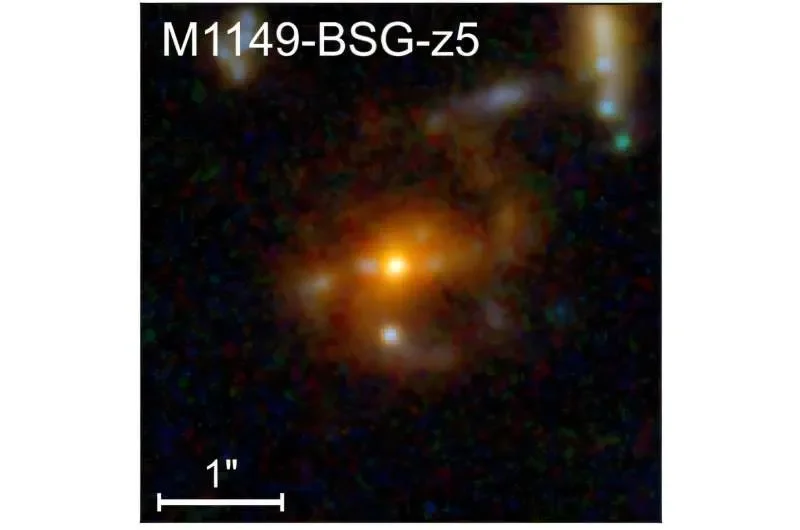
Read More: JWST Finds Oldest Barred Spiral Galaxy M1149-BSG-z5
For scientific communities, a lunar impact offers a rare opportunity. It could provide real-time data for studying crater formation processes and asteroid dynamics. The Moon, having been shaped by billions of years of impacts and lacking an atmosphere for protection, would offer a stark canvas for such observations.
THE VAST UNKNOWN
Despite the current confirmation regarding 2024 YR4, a broader concern remains within planetary defense circles. NASA acknowledges that only about 40 percent of asteroids larger than 140 meters (approximately 460 feet) have been identified to date. This leaves a considerable population of potentially hazardous objects undiscovered, underscoring the continued need for observation and tracking initiatives. The existence of such "city-killer" sized objects yet to be found represents an ongoing, albeit presently abstract, risk.