NASA has successfully finished a critical test of its massive Artemis rocket, moving closer to launching the Artemis II mission. This test, known as a "wet dress rehearsal," involved fully fueling the rocket with propellants and running through a simulated countdown. The results of this test are important for setting a new timeline for when the mission can fly.
The Artemis II mission is a crucial step toward NASA's goal of returning humans to the Moon. The mission will send four astronauts on a journey around the Moon and back, and it is seen as preparation for future Moon landings.
Artemis II Mission Preparations Intensify
The Artemis II mission is designed to send a crew of four astronauts – Reid Wiseman, Victor Glover, Christina Koch, and Jeremy Hansen – on a flight that will take them farther from Earth than any humans have traveled before.
Read More: NASA Fuel Cell Test For Moon Energy Storage Successful
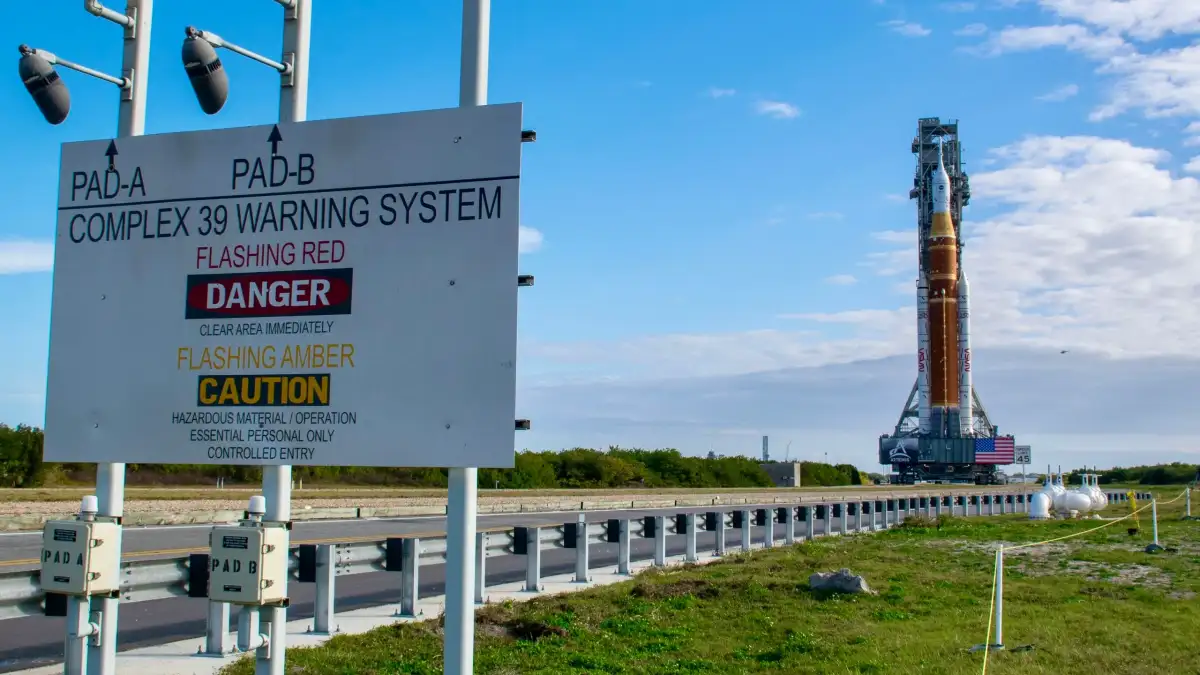
The mission's spacecraft, the Orion capsule, sits atop the Space Launch System (SLS) rocket.
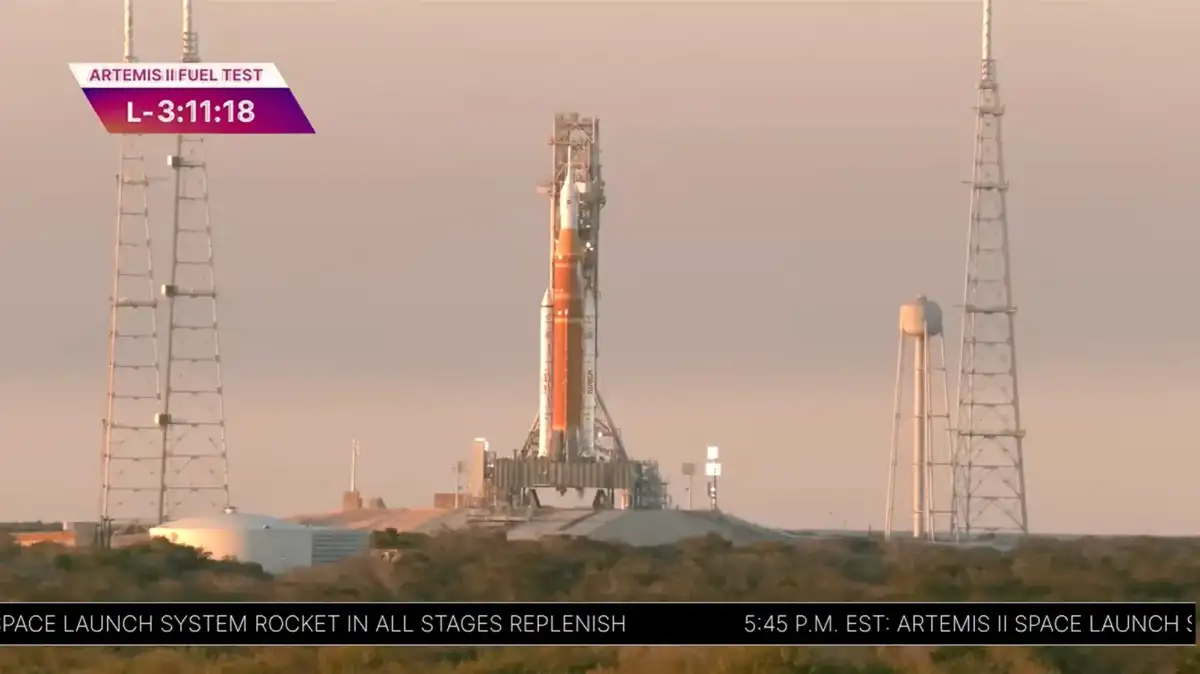
The rocket was moved to Launch Complex 39B at NASA's Kennedy Space Center in Florida in January 2026.
Engineers have been conducting tests on the launch pad to ensure all systems are ready.
The Artemis II astronauts are preparing for their mission, with some beginning quarantine to ensure flexibility for the launch window.
This mission is not planned to land on the Moon. Instead, it focuses on a journey around the Moon. The spacecraft will reach speeds exceeding 25,000 mph during its reentry over the Pacific Ocean, setting a speed record for human spaceflight.
Key Fueling Test Completed
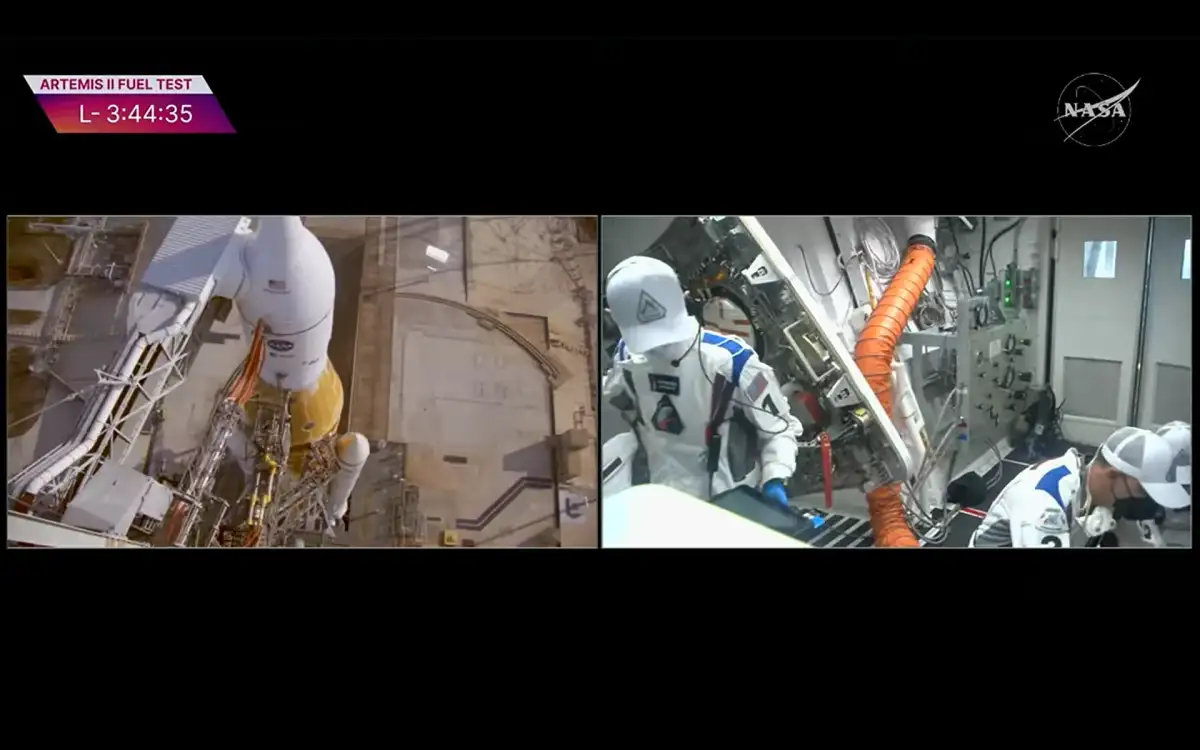
The recent "wet dress rehearsal" was a significant event in the preparation for Artemis II. This test involves loading the rocket's massive fuel tanks with millions of pounds of liquid oxygen and liquid hydrogen.
The test is designed to identify and resolve any issues with the fueling process before an actual launch attempt.
This was NASA's second attempt at a full fueling test for Artemis II.
Previous tests encountered issues, including a hydrogen leak discovered during an earlier rehearsal, which caused a delay.
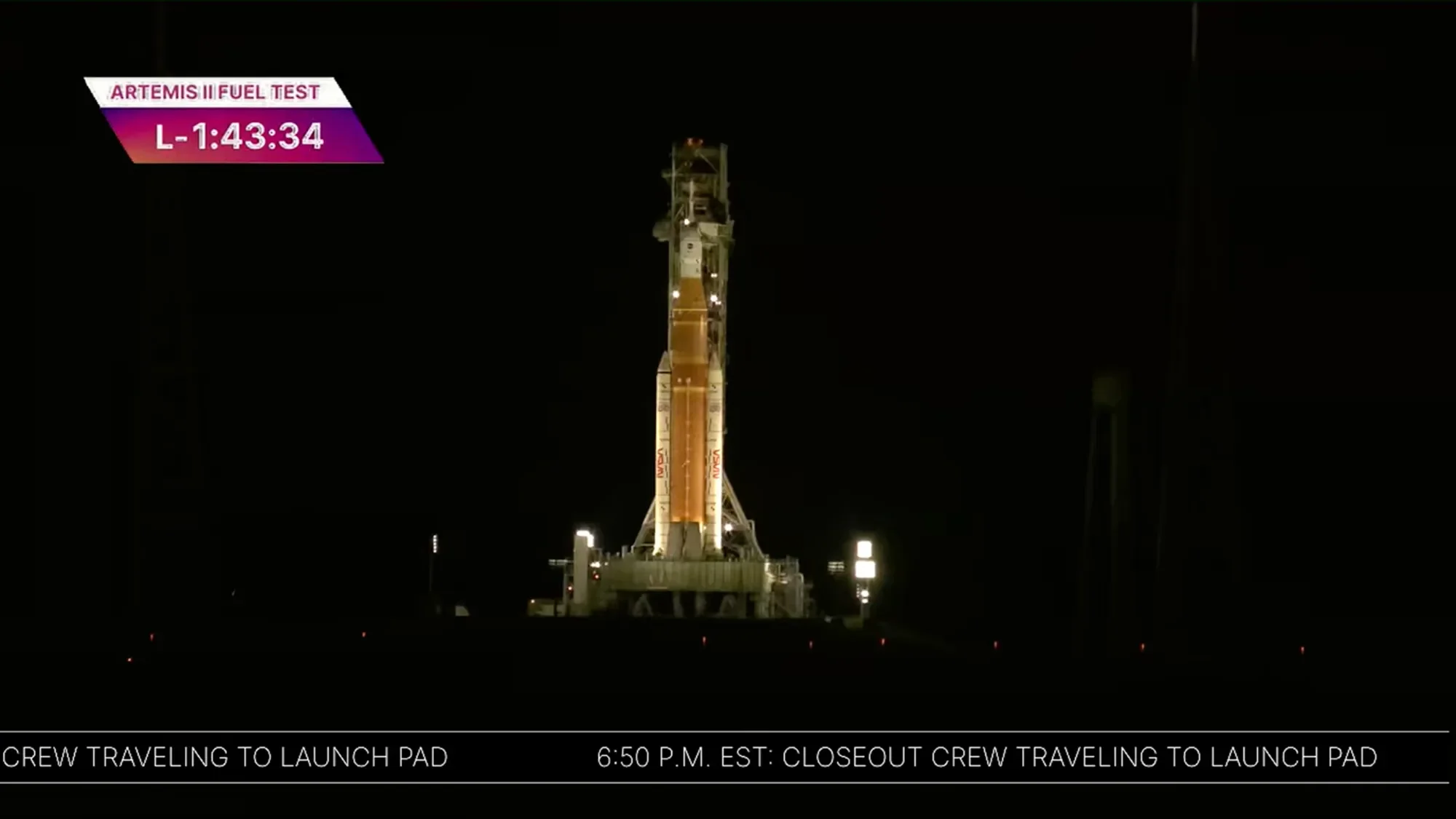
NASA reported minimal hydrogen leakage during the most recent test, well within safety limits. This outcome provides engineers with greater confidence in the rocket's systems. The test also allowed teams to practice procedures for managing potential problems during a launch sequence, including how to reset an attempt rather than immediately canceling it.
Setting the Launch Timeline
The successful completion of the wet dress rehearsal is directly linked to determining the mission's launch date.
Read More: MIT Boron-Oxygen Molecule Acts as Builder in Chemical Reactions
Following the test, NASA stated it would target March as the earliest possible launch opportunity for the Artemis II flight test.
A formal launch date has not yet been announced.
The decision on a new launch date will be made after NASA reviews all the data from the recent fueling test.
The results of this test are crucial for engineers to confirm the readiness of the Space Launch System rocket and to establish a firm launch schedule.
Expert Analysis
The Artemis program represents a significant endeavor for NASA, aiming to establish a sustained human presence on the Moon and prepare for future missions to Mars. The successful completion of major tests like the wet dress rehearsal is a testament to the complex engineering and dedicated effort involved. Each step taken brings the program closer to its ambitious goals, while also highlighting the intricate challenges inherent in space exploration.
Conclusion
NASA's successful completion of the second fueling test, or wet dress rehearsal, for the Artemis II mission marks a significant advancement. The test, which involved loading the Space Launch System rocket with propellants and running through a simulated countdown, encountered minimal issues, providing engineers with increased confidence in the rocket's systems.
Read More: Artemis II Astronauts Show Water Sphere Behavior in Space
The mission's primary objective is a four-person journey around the Moon.
The success of this test is a key factor in setting the launch date, with March being the earliest target opportunity.
The data gathered will allow NASA to resolve any remaining technical concerns before committing to a launch.
The Artemis II mission is a vital precursor to future human landings on the Moon's surface. The progress made in these tests demonstrates NASA's commitment to achieving its lunar exploration objectives.
Sources Used:
USA Today: "When is the Artemis rocket launch? What we know after 2nd fueling test"
Link: https://www.usatoday.com/story/news/nation/2026/02/20/artemis-rocket-launch-test/88753814007/
NASA: "NASA Conducts Artemis II Fuel Test, Eyes March for Launch Opportunity"
Space.com: "Artemis 2 SLS wet dress rehearsal latest news: 'Launch' countdown completed for moon rocket fueling test"
Link: https://www.space.com/news/live/artemis-2-moon-rocket-nasa-fueling-test-feb-19-2026
U.S. News & World Report: "NASA Conducts Second Rocket Fueling Test That Will Decide When Artemis Astronauts Head to the Moon"
Ars Technica: "The fastest human spaceflight mission in history crawls closer to liftoff"
ScienceDaily: "NASA’s Artemis II reaches the launch pad and the countdown to the Moon begins"
Link: https://www.sciencedaily.com/releases/2026/01/260119214042.htm
DNYUZ (via New York Times): "NASA Conducts Successful Launchpad Test of the Massive Artemis Rocket"
Link: https://dnyuz.com/2026/02/20/nasa-conducts-successful-launchpad-test-of-the-massive-artemis-rocket/
NASA: "LIVE: Artemis II Wet Dress Rehearsal Coverage"
Link: https://www.nasa.gov/blogs/missions/2026/02/19/live-artemis-ii-wet-dress-rehearsal-coverage/
USA Today: "NASA to rehearse Artemis 2 moon launch again today. What to know"
Link: https://www.usatoday.com/story/news/nation/2026/02/19/nasa-artemis-2-rocket-launch-test/88735620007/