The landscape of art appreciation is a nebulous one, often blurred by the terms "gallery" and "museum." While both serve as conduits for experiencing artistic creation, their fundamental functions diverge, impacting everything from their curatorial focus to their commercial intent. Art galleries, particularly commercial ones, are primarily spaces designed to sell art, connecting artists with collectors and facilitating transactions. Museums, conversely, tend to focus on broader historical eras, conservation, education, and research, with a mission centered on preservation and public enlightenment rather than immediate sales.

The Transactional Divide
At its core, a commercial art gallery operates much like a specialized shop. Its mission is to represent artists, exhibit their work, and crucially, to sell these pieces. This often leads galleries to concentrate on contemporary or modern art, allowing for a more dynamic and trend-driven inventory. Tickets are rarely a prerequisite for entry, reinforcing the notion of a retail environment where engagement with the art is intended to culminate in a purchase.
Read More: Banana Art Stolen From French Museum, Replaced Quickly
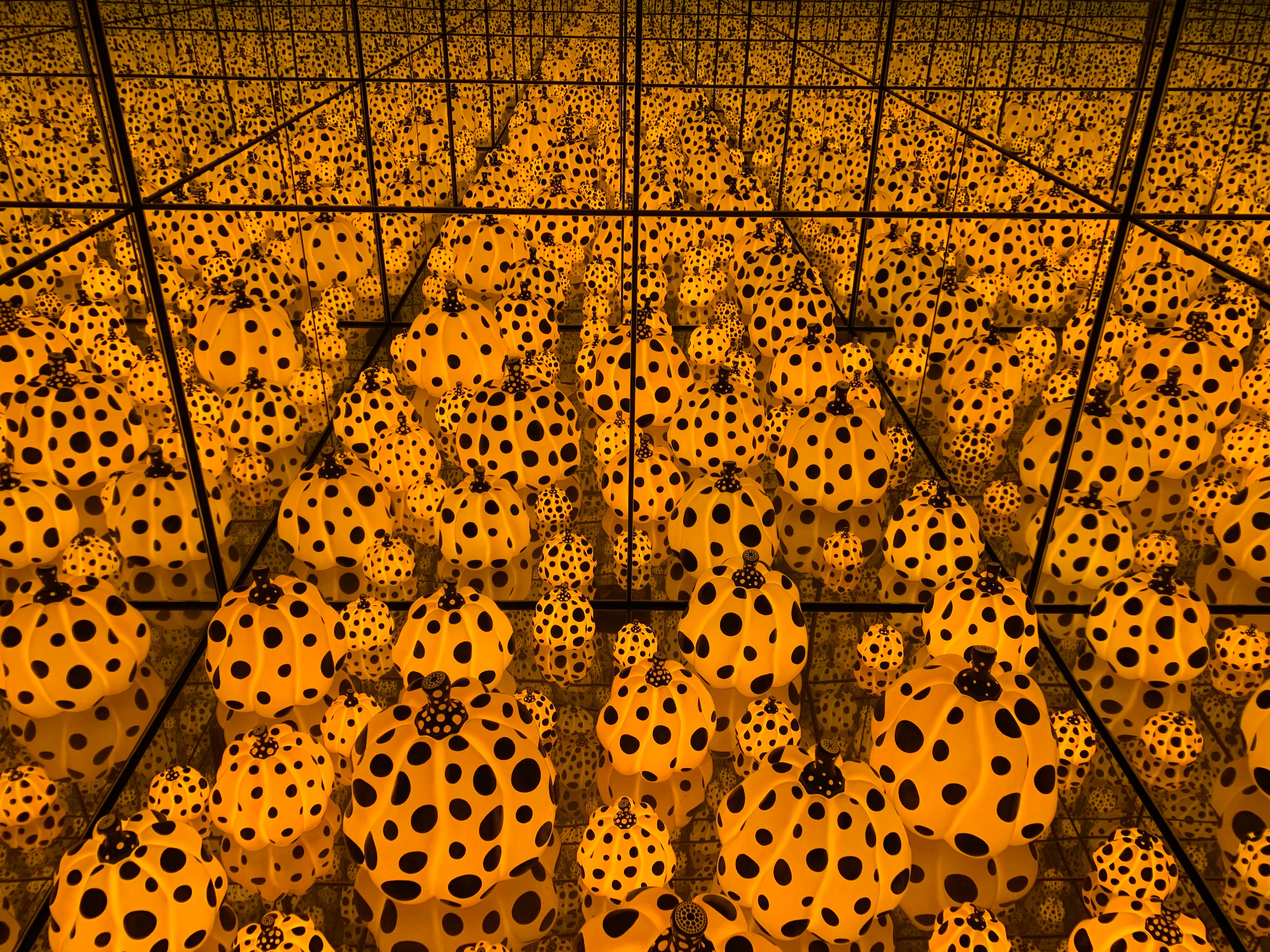
Conversely, museums, irrespective of their specialization—be it art, history, or science—prioritize the stewardship of their collections. Their objectives extend to the meticulous conservation, research, and educational dissemination of their holdings. While museums may display contemporary works, their mandate is not typically driven by the immediate sale of these items. The audience for museums often encompasses a wider demographic, from casual visitors to academic scholars, all seeking to learn and engage with artifacts and artworks presented for their cultural or historical significance.

Diverse Forms and Functions
The umbrella term "gallery" itself encompasses a variety of models. Commercial galleries, the most prevalent type, are the primary drivers of the art market. Beyond these, non-profit or public galleries often prioritize community access and educational programming, while online galleries extend the reach of exhibitions and sales into the digital realm. Some galleries, known as vanity galleries, operate on a different model, potentially charging artists for exhibition space, a distinct departure from the consignment or representation models typical of commercial establishments.
Read More: Why the New Atheism movement lost public influence by April 2026

Museums, too, are not monolithic. Their architectural forms have evolved, with many housed in buildings originally intended for different purposes, reflecting their adaptation over time. The formation of museum collections stems from various motivations, from the consolidation of private collections to deliberate acquisition strategies aimed at building comprehensive historical or thematic narratives.
Beyond the Physical Space
The concept of an "art gallery" can even extend into the realm of interpretation, particularly in the context of dreams. Dream analysis suggests that encountering an art gallery in a dream can symbolize a focus on past achievements, a desire for recognition, or even an acknowledgment of others' accomplishments. This highlights how the idea of an art gallery—a curated space of displayed objects—can evoke psychological resonances beyond its tangible reality.
A Fleeting Distinction
Historically, the lines between these institutions have not always been so rigidly drawn, and their operational models continue to adapt. The perception, particularly in different cultural contexts, has varied, with some historical accounts suggesting regional differences in how art was bought and sold. Ultimately, the distinction often hinges on the fundamental purpose: galleries are generally where art is bought, and museums are where it is preserved and studied.
Read More: Indian artists use Instagram for anti-caste art
Background: A Shifting Landscape
The origins of institutions dedicated to the display of art and artifacts stretch back centuries. Early scientific museums in Europe, for instance, often grew from private collections, eventually transitioning to public access. The evolution of museums and galleries reflects broader societal changes, shifts in artistic production, and evolving approaches to cultural heritage and public engagement. This ongoing development ensures that the definitions and roles of these spaces remain a subject of continuous, if sometimes subtle, redefinition.