The Met Gala's embrace of "Costume Art" this year seemed less about artistic expression and more about performance, with Gwendoline Christie taking center stage not just with her attire, but with a potent, mask-like sculpture of her own face. This move, seemingly a pointed gesture toward a recent public statement by Timothée Chalamet where he expressed disinterest in art requiring preservation, has rippled through the event's commentary. The theme, "Fashion Is Art," and its accompanying dress code, "explor[ing] how designers use the human body as a blank canvas," lent a thematic backdrop to Christie's theatrical presentation.
Gwendoline Christie's mask of her own face became a focal point, interpreted by some as a deliberate retort to Timothée Chalamet's dismissal of art needing to be "kept alive."
Christie's choice, a meticulously crafted mask by Giles Deacon, was not merely a fashion statement but an assertion of self, a deliberate exploration of identity and its presentation within the public sphere. This deliberate performance on the carpet has been juxtaposed against Chalamet's perceived detachment from the very notion of art's enduring relevance. Her mask, reflecting her own visage, offered a stark counterpoint to any suggestion that artistic endeavors are ephemeral or unimportant. The timing, coming after Chalamet's remarks about not wanting to work in an art form "you have to keep alive," fuels this interpretation.
Read More: Heidi Klum Wears Corset Dress at Cannes 2026
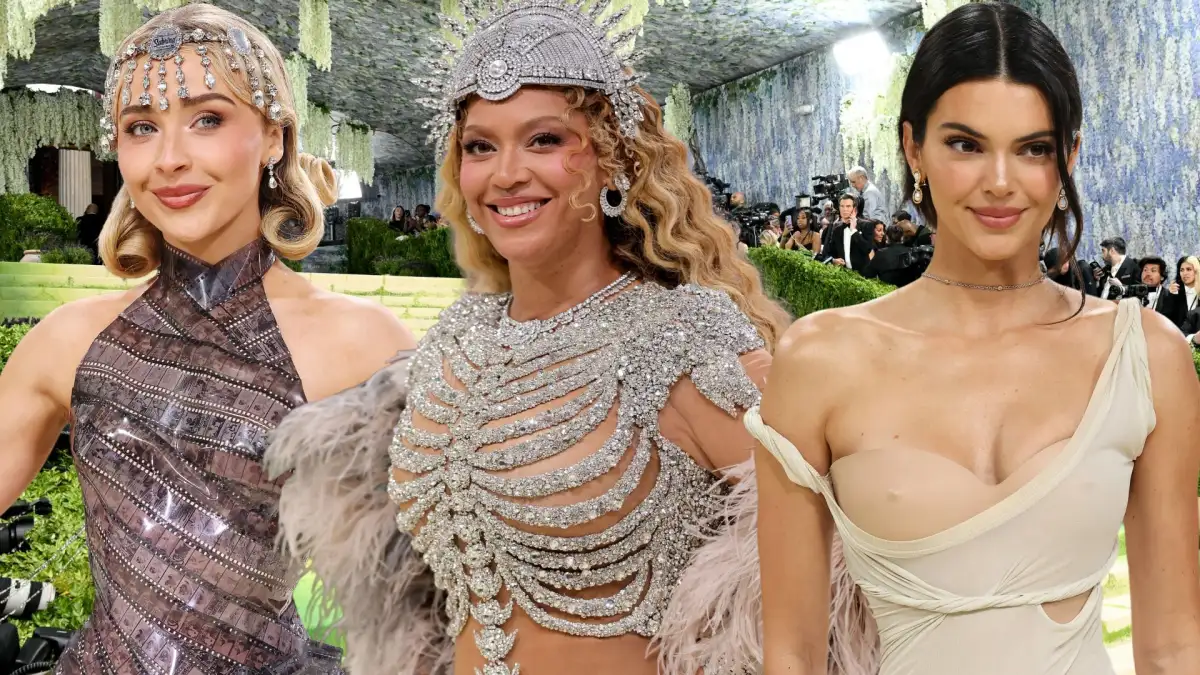
Other attendees also leaned into the thematic directives. Charli XCX arrived in a strapless gown with a substantial train, the ensemble featuring a 3D floral corsage. The event's curator, Andrew Bolton, explained the "Costume Art" theme as a nod to the Costume Institute's history, highlighting the gala's role as a primary funding source for the institution. The dress code specifically invited attendees to consider the body as a canvas, a concept seemingly embraced by various guests, some opting for more understated or revealing interpretations.
Read More: Banana Art Stolen From French Museum, Replaced Quickly
Amidst the visual spectacle, subtler narratives emerged. While many attendees focused on intricate gowns and statement pieces, others opted for more provocative or unconventional approaches. One notable instance involved an attendee whose "disturbing" costume sparked online discussion, though specifics remained vague. This year’s event also saw a spectrum of fashion choices, from the barefoot appearances of artists like Doechii and Sabrina Carpenter to more elaborate, artistic declarations. The Gala, a significant fundraising event, underscored its role in supporting the Costume Institute, with the "Costume Art" exhibition scheduled to run through January.
Historical Context: A Recurring Stage for Self-Expression
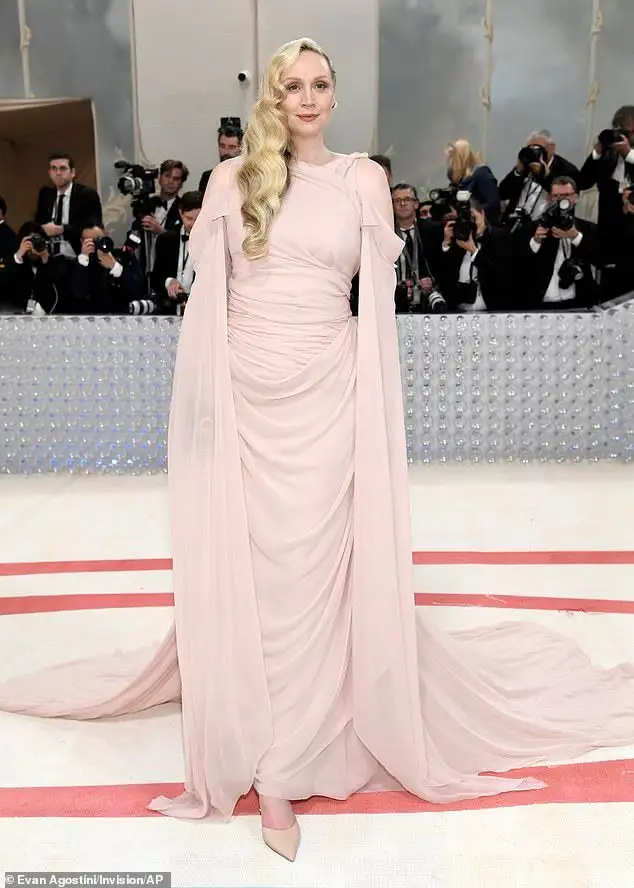
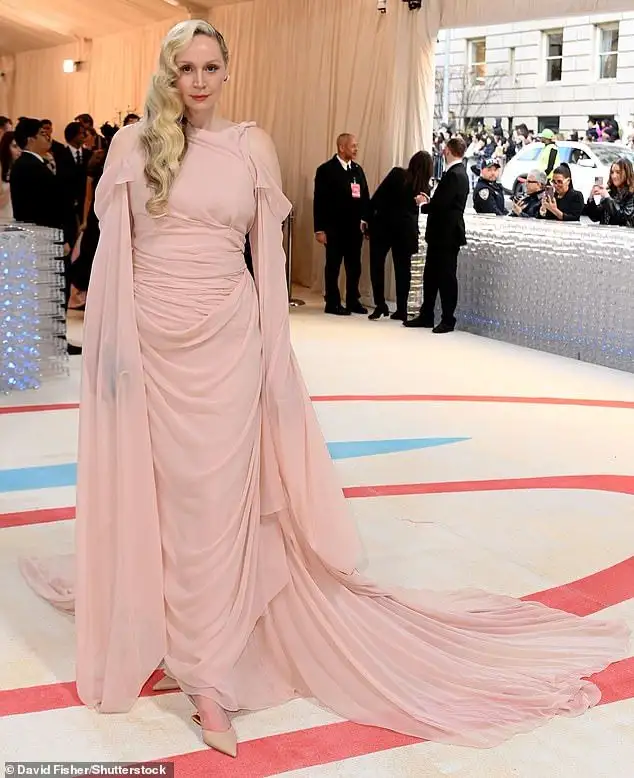
The Met Gala has consistently served as a platform for notable fashion moments and, at times, pointed commentary. Gwendoline Christie herself has a history of distinctive appearances, including a pale pink Fendi gown in 2023. Past events have featured bold statements, such as Billy Porter's dramatic entrances and Jared Leto's head-like accessory, which Christie's mask has been likened to. The event's capacity to generate conversation, whether through sartorial triumphs or controversies, remains a defining characteristic. This year, the blend of artistic ambition, personal assertion, and underlying commentary cemented the Met Gala’s position as a significant cultural touchstone.
Read More: Margot Robbie's new outfit causes talk at London event
:max_bytes(150000):strip_icc()/GettyImages-2266685734-bc226d294b5e43588b8dfbbb9c65d208.jpg)


:max_bytes(150000):strip_icc()/GettyImages-2249517096-4f6483decbc741c49e6c882c1e8468b8.jpg)