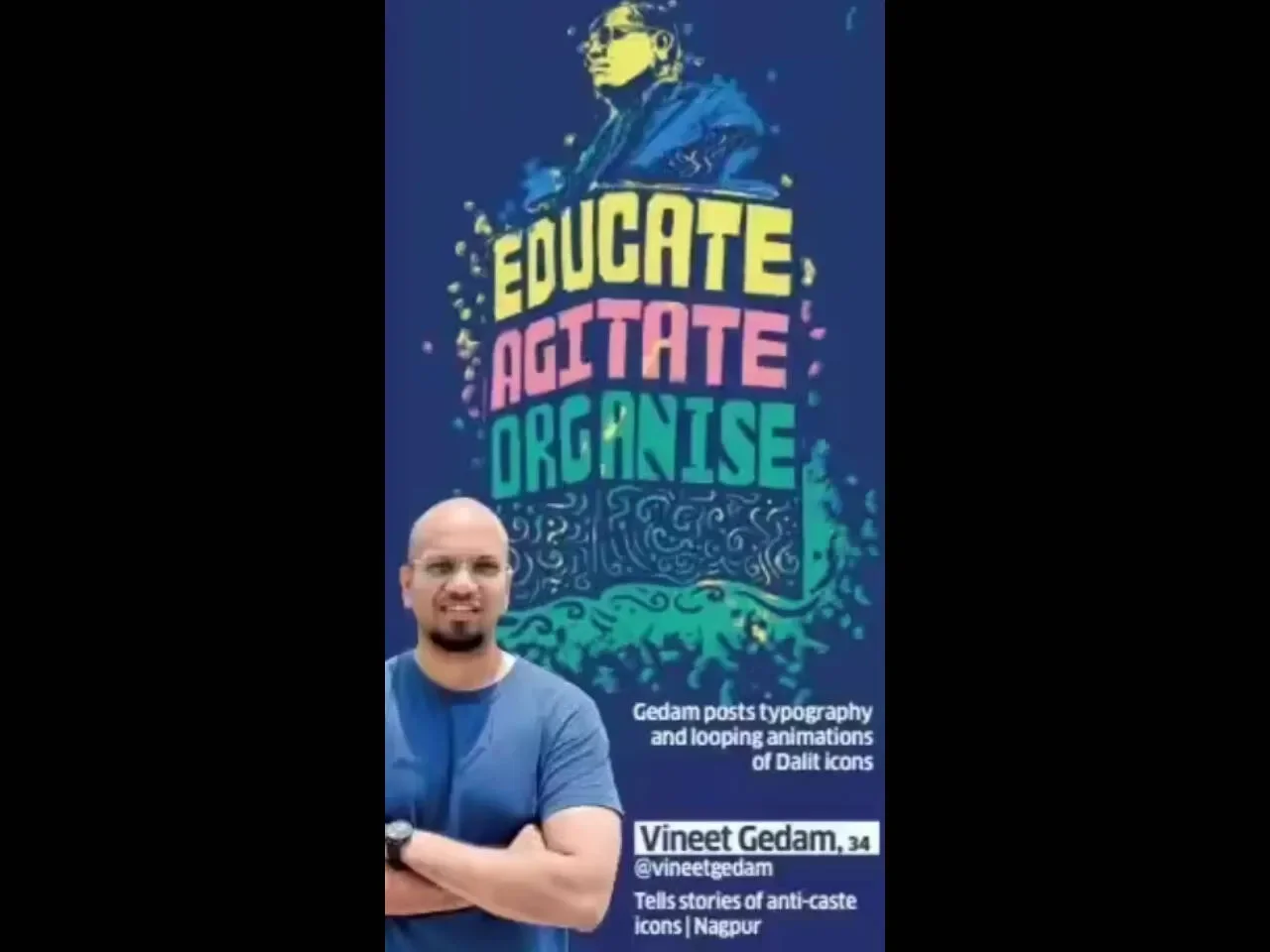
A peculiar trend has users intentionally requesting that AI image generators produce "clumsy, scribbly and pathetic" visuals, a stark departure from the hyper-realistic or polished outputs typically associated with artificial intelligence. This movement appears to be a conscious effort to subvert polished digital aesthetics, drawing parallels to artistic traditions that embrace imperfection and a raw, unrefined style.

These intentionally crude AI-generated images, often resembling MS Paint creations or the work of a child, are flooding social media platforms. They represent a deliberate attempt to move away from the perceived sterile perfection of AI-generated art and perhaps a commentary on the ubiquitous nature of slick digital content.==

While the aesthetic is intentionally rudimentary, observers note that these "bad" AI images still exhibit underlying algorithmic patterns.

Uniform brushstrokes: The strokes often maintain an equal width.
Centralized focus: Images tend to have a single, centered point of interest.
Default modes: These characteristics suggest the AI remains bound by its inherent programming, even when tasked with creating imperfection.
A Rebellion Against Digital Polish
The embrace of a "lo-fi" or rudimentary visual language is a long-standing method for challenging cultural landscapes perceived as shallow or overly commercialized. This new trend in AI image generation can be seen as a contemporary manifestation of that artistic impulse, where users actively seek out less refined, even awkward, outputs from powerful AI models.
Read More: Chrome mimeHandler API lets extensions handle file types
Beyond Aesthetics: Security Risks Unveiled
Beyond the artistic statements, the rise of AI image generation trends, particularly those involving user-submitted data, has ignited significant concerns regarding privacy and security. The AI caricature trend, which often involves users uploading personal photos and details to be processed by AI, presents a clear vulnerability.
"Images uploaded to AI chatbots could be retained for an unknown amount of time and, if in the wrong hands, could lead to impersonation, scams, and fake social media accounts."
Experts caution that personal information gleaned from these AI interactions, even when used for seemingly innocuous trends like caricatures, can be stored and potentially used to train AI models. This raises alarms about:
Data retention: Information shared with AI platforms may be held indefinitely.
Impersonation and scams: Sensitive details could be exploited for fraudulent activities.
Fake profiles: AI-generated content, combined with personal data, can be used to create convincing fake social media personas.
Navigating the Digital Footprint
To mitigate these risks, users are advised to exercise caution regarding the data they share with AI platforms.
Limit personal details: Avoid uploading images that contain identifying information.
Review privacy settings: Users can often manage their data by deleting chat histories or submitting privacy requests to AI providers.
Critical evaluation: A general awareness of the origin and potential manipulation of online content is paramount.
Contextualizing the Trend
The "clumsy AI" movement follows other viral AI-driven social media phenomena. It also occurs within a broader discourse on the capabilities and implications of generative AI, particularly as these tools become more accessible and integrated into daily digital life. The ease with which users can prompt AI to generate specific styles, including intentionally flawed ones, highlights the evolving relationship between human creativity and machine output.
Read More: Banana Art Stolen From French Museum, Replaced Quickly