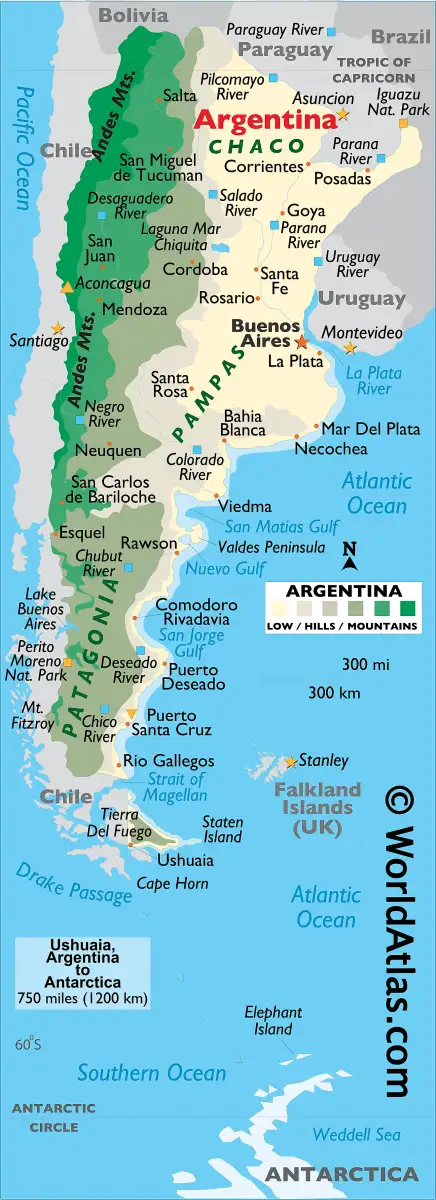
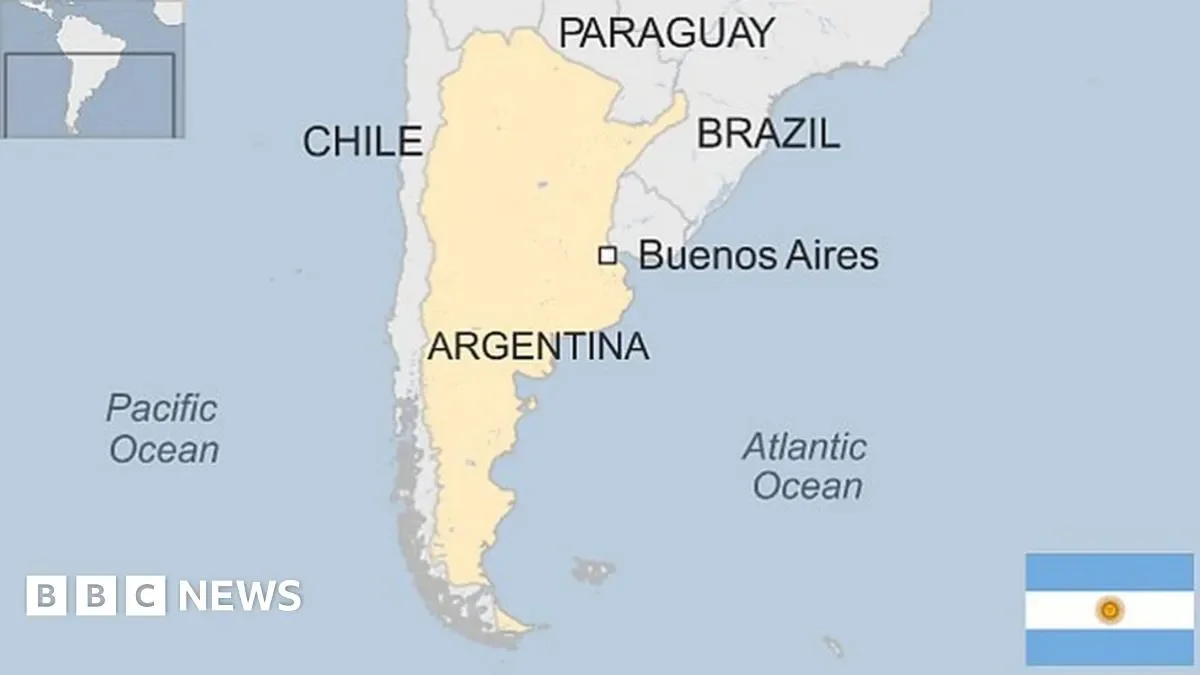
Argentina, a nation stretching across a significant portion of southern South America, presents a landscape of striking contrasts, from the vibrant urban pulse of Buenos Aires to the sparsely populated expanse of Patagonia. Its geography is as varied as its history, boasting rich plains, rugged Andes, and a coastline along the South Atlantic Ocean. The country's identity is deeply woven with cultural threads, notably the tango, which found its most vibrant expression in the streets of its capital.
The nation's official name, República Argentina, is derived from the Spanish word for "silver." This appellation, however, belies a complex economic reality marked by significant financial risks stemming from debt obligations and rapid inflation. Despite these challenges, Argentina remains a resource-rich country with an export-led growth model and increasingly significant trade relations with China.
Read More: Goldman Sachs predicts 15 million US jobs lost to AI by 2036
Societal Fabric and Demographic Distributions
With an estimated population of 45,418,098 in 2025, Argentina is characterized by a predominantly European descent, with a significant mestizo population. Spanish serves as the official language, though other European tongues and indigenous languages are also present. Religious adherence shows a majority identifying as Roman Catholic, with notable evangelical and non-religious segments.
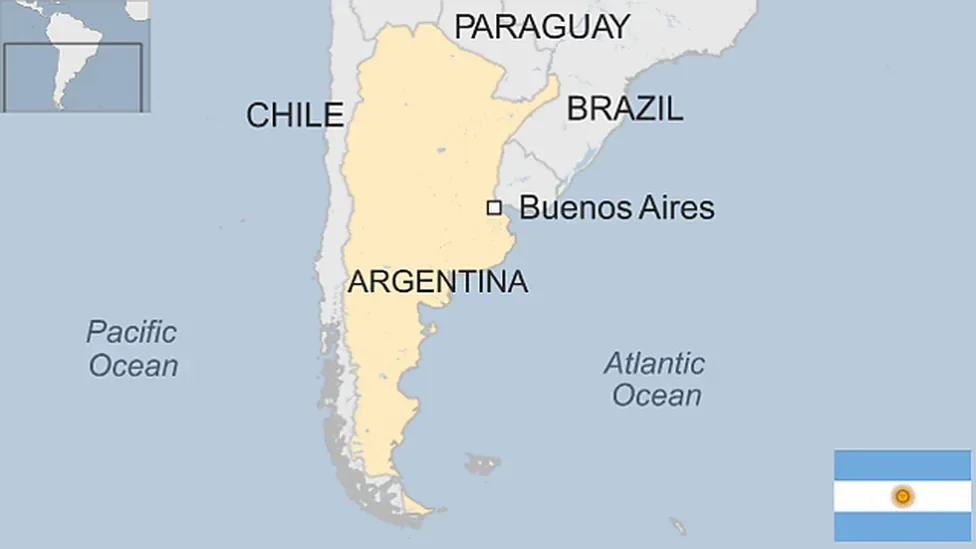
A significant demographic concentration exists in Buenos Aires, where one-third of the population resides.
Other urban centers like Córdoba, Rosario, and Mendoza also host substantial populations.
In stark contrast, the southern region of Patagonia remains sparsely inhabited.
Political and Economic Undercurrents
Argentina's political landscape has seen periods of transition, with recent history reflecting a focus on restoring stability. The presidential republic structure has guided the nation, with the current administration under Javier Gerardo Milei taking office in December 2023. The economic framework, while diversified, grapples with persistent issues.

The economy exhibits a tendency towards nationalizing businesses and under-reporting inflation, contributing to financial risks.
Key exports include maize, soybeans, wheat, and beef, alongside manufactured goods like motor vehicles and textiles.
Trade relationships are diverse, with notable ties to Brazil, the United States, and China.
Geographic and Environmental Considerations
Argentina's vast territory, covering 2,780,400 square kilometers, makes it the second-largest country in South America. Its varied climate ranges from temperate zones to arid conditions in the southeast and subantarctic climates in the southwest.
Environmental concerns include deforestation, soil degradation, and pollution.
The country's rich biodiversity is highlighted by its numerous UNESCO World Heritage sites, including Los Glaciares National Park and Iguazú National Park.
The Mendoza wine region is a crucial hub for Argentina's wine production.
Historical Context and Cultural Expressions
The historical trajectory of Argentina has been shaped by significant political movements and figures, such as the Peronist government and the influence of figures like Juan Perón and Eva 'Evita' Perón. Culturally, Argentina is renowned for its contributions to the arts and its distinct social customs.
Read More: Brazil's Population Over 221 Million in 2025, Largest in South America
The tango, a dance originating in Argentina, is a globally recognized cultural export.
Iconic attractions include Tierra del Fuego National Park, the historic Recoleta Cemetery, and the vibrantly colored Quebrada de Humahuaca.
The country has a history in space exploration, with the National Space Activities Commission (CONAE) developing satellite technology and launching capabilities.