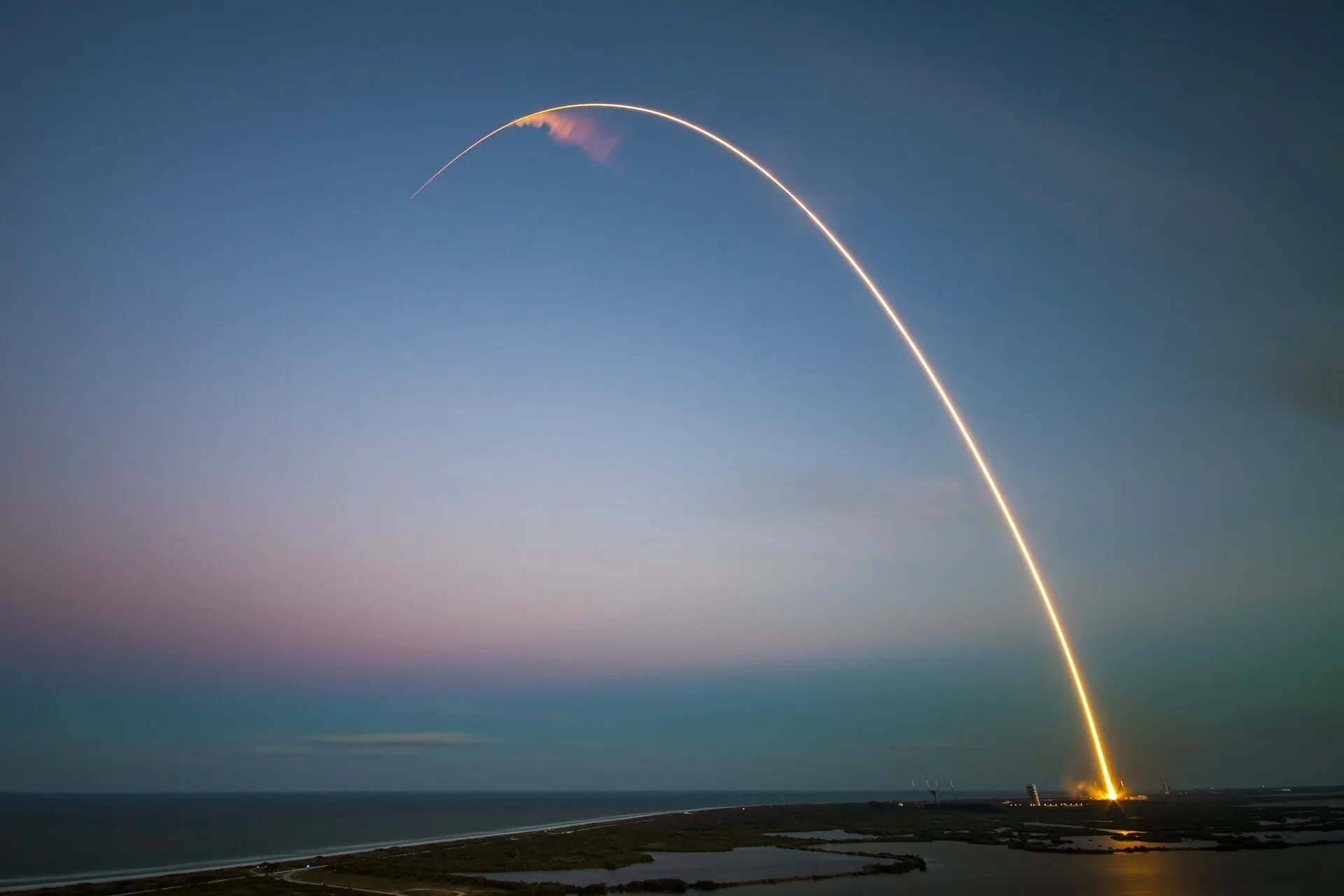
On February 12, 2026, United Launch Alliance's (ULA) Vulcan Centaur rocket successfully reached orbit carrying United States Space Force payloads, despite a notable issue with one of its solid rocket boosters. The incident, characterized by sparks and a visual anomaly in the booster's exhaust plume shortly after liftoff, is under investigation by ULA. This marks the second time in Vulcan's short launch history that a booster anomaly has occurred.
Vulcan Centaur's Fourth Flight: Success Despite Technical Glitch
The launch of the Vulcan Centaur rocket, designated USSF-87, proceeded from Cape Canaveral Space Force Station. Approximately sixteen months prior, during its second certification launch, a similar anomaly involving a booster nozzle was observed. In this latest instance, reports indicate sparks emanated from an exhaust plume, and the rocket momentarily twisted on its axis before stabilizing.
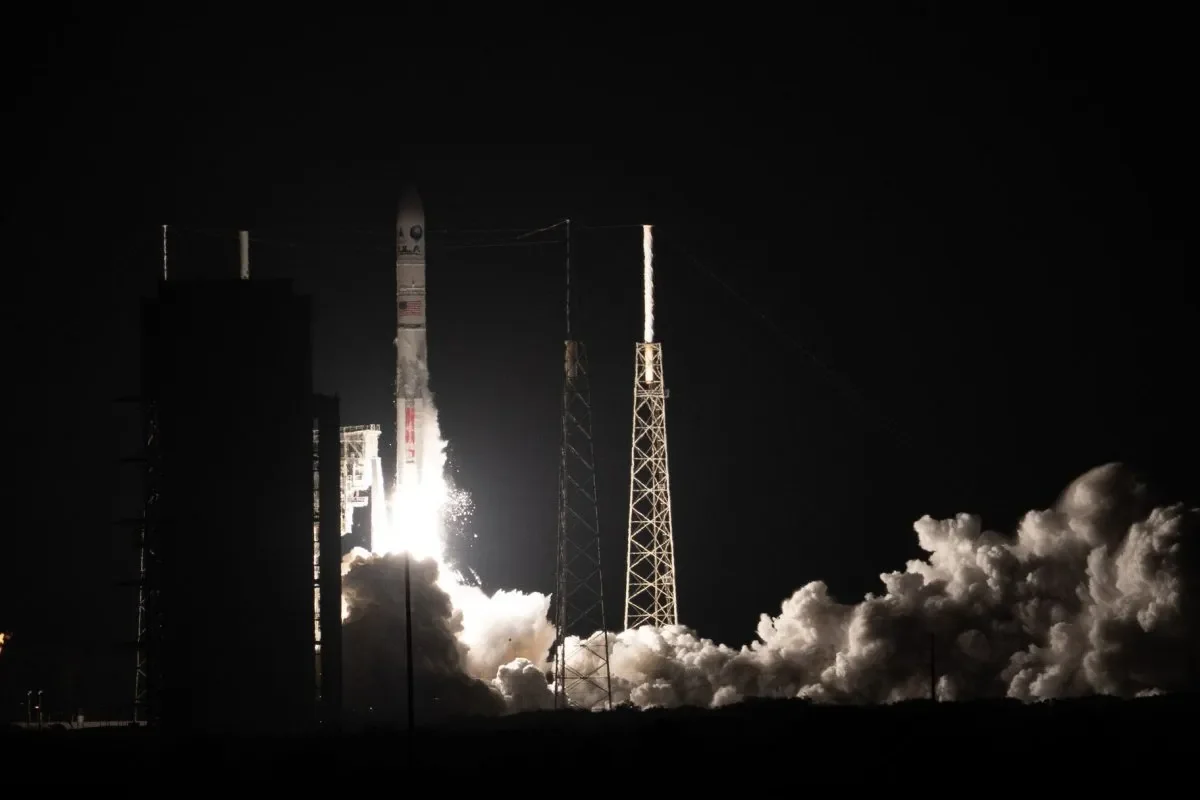
Payloads: The mission carried classified payloads for the U.S. Space Force, including satellites for the Geosynchronous Space Situational Awareness Program and a propulsive ESPA ring with research, development, and training payloads.
Mission Trajectory: Despite the booster issue, the rocket continued on its planned trajectory and successfully delivered its payloads to geosynchronous orbit.
ULA Statement: Gary Wentz, ULA vice president of Atlas and Vulcan Programs, stated that the company would "conduct a thorough investigation, identify root cause, and implement any corrective action necessary before the next Vulcan mission."
Recurring Booster Issue Under Scrutiny
The anomaly on the USSF-87 mission echoes a previous event, raising questions about the reliability of the Vulcan Centaur's solid rocket boosters. This pattern suggests a need for a comprehensive review of the booster system.
Read More: Starship V3 Launch Delayed to May 22, 2026 Due to Technical Issues
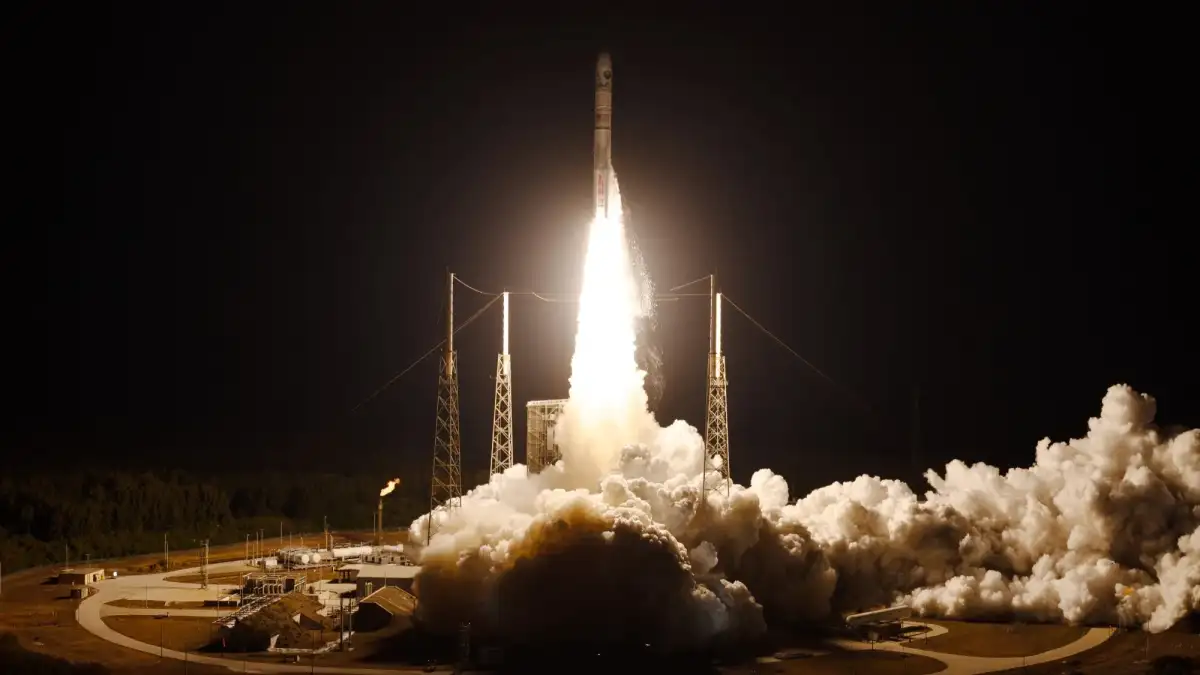
Previous Anomaly: Sixteen months before the USSF-87 launch, another Vulcan Centaur rocket experienced a loss of a booster nozzle shortly after liftoff.
Current Observation: During the recent launch, a "shower of sparks" was observed in the exhaust plume, and some sources described a "burn through" in a strap-on solid-fuel booster nozzle.
Company Response: ULA acknowledged the anomaly and confirmed that an investigation would be conducted to determine the root cause and implement corrective actions.
Vulcan Centaur's Role in National Security and Commercial Launches
The Vulcan Centaur is ULA's newest heavy-lift rocket, designed to replace the Atlas V and Delta IV. It is a critical component of U.S. national security launch capabilities and is also slated for significant commercial use.
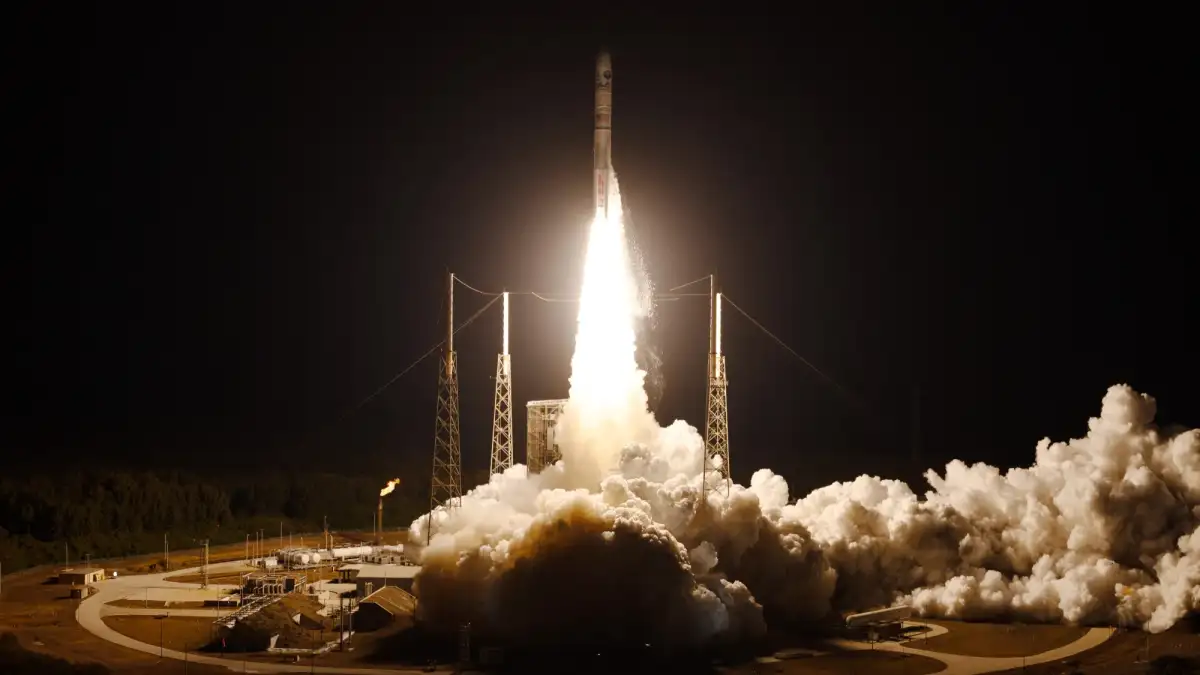
National Security Missions: This was the second launch of Vulcan under the National Security Space Launch program, highlighting its importance for the U.S. Space Force.
Commercial Contracts: ULA has substantial commercial contracts, including numerous flights for Amazon's Project Kuiper constellation, aimed at competing with SpaceX's Starlink. The company plans a significant number of launches in the coming year, utilizing multiple launch pads.
Performance: Despite the booster anomaly, the rocket's performance in reaching orbit was deemed successful by ULA.
Expert Perspectives and Investigation Details
While specific details about the anomaly's cause remain under investigation, experts and company officials acknowledge the need for a thorough review.
"We will conduct a thorough investigation, identify root cause, and implement any corrective action necessary before the next Vulcan mission.” - Gary Wentz, ULA Vice President of Atlas and Vulcan Programs
The investigation will likely focus on the performance of the GEM 63XL solid rocket boosters, which provide additional thrust during liftoff. The outcome of this investigation will be crucial for ULA's future launch cadence and its ability to meet both national security and commercial demands.
Conclusion and Next Steps
The successful orbit insertion of the Vulcan Centaur rocket on mission USSF-87, despite a solid rocket booster anomaly, underscores the rocket's inherent capabilities. However, the recurrence of such an issue necessitates a rigorous and transparent investigation by ULA.
Read More: US 250th Anniversary on July 7, 2026, sees 20% not celebrating
Findings: The mission objectives were met, with payloads delivered to the intended orbit.
Implications: The repeated booster anomaly requires ULA to definitively address the root cause to ensure future mission reliability and maintain confidence among government and commercial clients.
Next Steps: ULA will conduct a detailed analysis of the anomaly, identify contributing factors, and implement necessary modifications before the next Vulcan launch.
Sources
The Register: "Vulcan Centaur reaches orbit after booster anomaly" - https://www.theregister.com/2026/02/13/ulavulcancentauranomaly/
Ars Technica: "ULA's Vulcan rocket suffers another booster problem on the way to orbit" - https://arstechnica.com/space/2026/02/ulas-vulcan-launcher-still-has-a-solid-rocket-booster-problem/
Spaceflight Now: "Vulcan suffers solid rocket booster problem during USSF-87 launch" - https://spaceflightnow.com/2026/02/12/vulcan-suffers-solid-rocket-booster-problem-during-ussf-87-launch/
CBS News: "ULA Vulcan rocket suffers booster problem while launching classified Space Force payloads" - https://www.cbsnews.com/news/ula-vulcan-rocket-nozzle-failure-space-force-classified-launch/
Phys.org: "Vulcan rocket launch suffers fiery booster issue but makes it to space, company says" - https://phys.org/news/2026-02-vulcan-rocket-fiery-booster-issue.html
Florida Today: "ULA Vulcan rocket launch: What caused sparks in the Florida launch?" - https://www.floridatoday.com/story/news/2026/02/12/ula-vulcan-launch-rocket-florida-booster-sparks-cause-investigation/88650259007/
SpaceNews: "ULA’s Vulcan launches Space Force mission; solid booster anomaly under investigation" - https://spacenews.com/ulas-vulcan-launches-u-s-space-force-mission-to-geosynchronous-orbit/
UPI.com: "Vulcan rocket launches successfully despite booster burn-through" - https://www.upi.com/TopNews/US/2026/02/12/united-launch-alliance-vulcan-centaur-booster-problem/3481770907749/
Space.com: "Deja vu: Vulcan Centaur rocket powers through 'significant performance anomaly' on satellite launch" - https://www.space.com/space-exploration/launches-spacecraft/deja-vu-vulcan-centaur-rocket-powers-through-significant-performance-anomaly-on-satellite-launch