The US administration has revoked a key scientific determination that greenhouse gases endanger public health and welfare. This action dismantles the scientific basis for federal regulations aimed at reducing planet-warming emissions. The decision reverses a cornerstone of environmental policy, sparking criticism from former officials, environmental groups, and some states, who warn of increased pollution and health risks.
Background and Context
In 2009, under the Obama administration, the Environmental Protection Agency (EPA) made a landmark ruling known as the "endangerment finding." This finding concluded that six key greenhouse gases, including carbon dioxide and methane, pose a danger to public health and welfare.
Legal Foundation: The endangerment finding became the legal bedrock for a range of federal climate regulations under the Clean Air Act.
Scope of Regulations: These regulations targeted emissions from various sources, including:
Vehicle tailpipes
Power plants
Oil and gas industry facilities
Economic Strain Argument: Some within the Trump administration and its allies argued that these regulations placed an undue economic burden on industries and consumers.
Read More: Less Enforcement of Environment Rules in US
The Trump administration's move is part of a broader effort to roll back environmental protections, with a stated aim of reducing regulatory costs and promoting American energy dominance.

Key Events and Actions
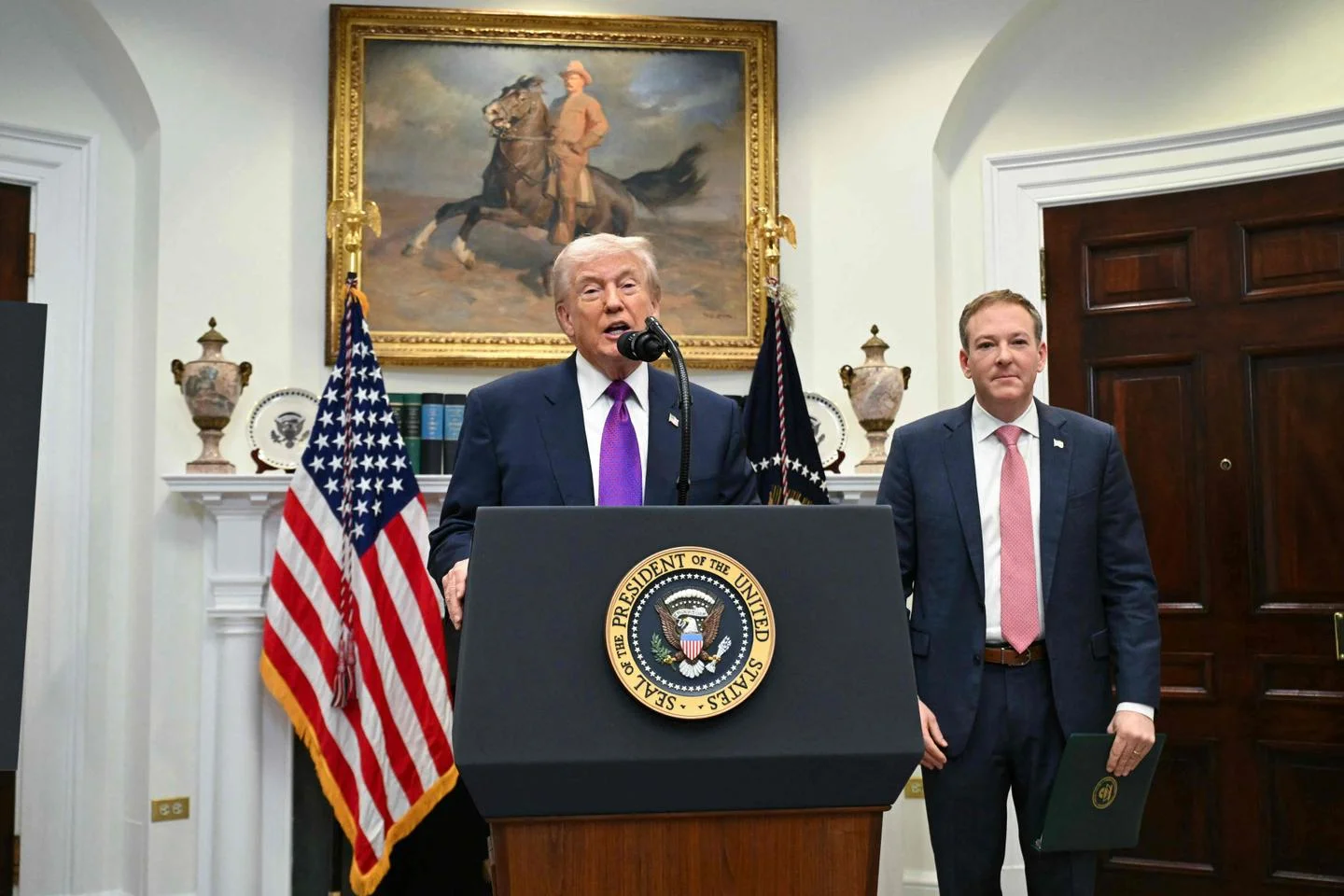
The reversal of the endangerment finding occurred on February 12, 2026. This action was taken by the EPA and announced by the Trump administration.

Department of Energy Report: Last year, the Department of Energy convened a panel of scientists to produce a report that questioned established scientific consensus on the warming effects of greenhouse gases. A federal judge later ruled that the formation of this panel was unlawful.
Removal of Data: The EPA also removed climate-focused science and data from its official webpages.
Vehicle Emissions Standards: The repeal directly affects greenhouse gas emissions standards for light, medium, and heavy-duty vehicles.
Conflicting Perspectives
Arguments for Reversal
Economic Burden: Proponents of the repeal argue that the endangerment finding and subsequent regulations have imposed significant costs on businesses and consumers. Diana Furchtgott-Roth, who served in the Department of Transportation during the first Trump term, stated that these regulations have been an "economic strain."
Congressional Authority: Administrator Zeldin has asserted that Congress never explicitly authorized the regulation of the six greenhouse gases covered by the endangerment finding, stating, "Congress never voted for these climate mandates."
Global Problem, Local Regulation: The administration contends that regulating emissions within US borders cannot effectively solve a global climate issue.
Energy Dominance: The Trump team argues that the finding impedes American energy dominance and mandates inefficient energy alternatives.
Arguments Against Reversal
Public Health and Welfare: Opponents stress that greenhouse gas emissions demonstrably harm public health and welfare. Former EPA administrators have written that the evidence is "clear and overwhelming."
Scientific Consensus: The repeal is seen by many as rejecting established science. Experts warn that this action will lead to increased pollution, respiratory illnesses, and further planet-warming emissions.
Environmental Progress: Environmental advocates argue that the rollback ignores the benefits of regulations, such as lives saved from reduced pollution and fuel cost savings from more efficient vehicles.
Legal Challenges: Environmental groups and some states, like California, have announced their intention to sue, citing the legal battles that may arise over the administration's justifications.
Global Competitiveness: Some warn that rolling back climate regulations could disadvantage the American auto industry in the global shift towards electric vehicles.
Expert Analysis and Statements
Former President Obama: Stated that repealing the finding would make Americans "less safe, less healthy and less able to fight climate change — all so the fossil fuel industry can make even more money."
Environmental Advocates: Groups like the Sierra Club have characterized the decision as formalizing "climate denialism as official government policy."
Former EPA Advisers: One former EPA adviser under President Biden commented, "This rule doesn’t change the reality of climate change — it just denies it."
Legal Experts: Many legal experts anticipate protracted litigation, questioning the legality of erasing established scientific and statutory conclusions.
State Officials: California Governor Gavin Newsom announced the state would sue over the repeal. Interior Secretary Doug Burgum suggested the repeal would benefit the coal industry.
Implications and Next Steps
The revocation of the endangerment finding has far-reaching implications for U.S. climate policy.
Read More: US Prices Rise Slower in Early 2026
Dismantling Regulations: This action significantly weakens the legal basis for numerous federal regulations designed to combat climate change.
Potential for Litigation: The decision is expected to trigger extensive legal challenges, which could take years to resolve.
Economic Impacts: The long-term economic consequences for industries and the auto sector are a subject of debate, with some anticipating market shifts and others forecasting negative impacts on global competitiveness.
International Standing: The move could affect the United States' position and commitments in global climate change efforts.
The administration's justifications for the repeal will face scrutiny in court, juxtaposed against substantial scientific evidence of climate change's adverse effects.
Sources Used:
Le Monde: https://www.lemonde.fr/en/international/article/2026/02/12/trump-revokes-key-climate-finding-dismantling-legal-basis-for-emissions-rules67504374.html
The Guardian: https://www.theguardian.com/us-news/2026/feb/12/trump-epa-rollback-pollution-regulation-endangerment-finding
Los Angeles Times: https://www.latimes.com/environment/story/2026-02-12/rejecting-science-trump-reverses-conclusion-that-climate-change-is-harming-americans
The Washington Post: https://www.washingtonpost.com/climate-environment/2026/02/12/endangerment-finding-repeal/
CNBC: https://www.cnbc.com/2026/02/12/trump-epa-endangerment-finding-climate-change-greenhouse-gas.html
NBC News: https://www.nbcnews.com/science/climate-change/epa-reverses-endangerment-climate-change-finding-rcna258452
Newsweek: https://www.newsweek.com/donald-trump-revokes-climate-change-rule-supreme-court-11514977
ABC News: https://abcnews.go.com/US/epa-rescind-landmark-2009-endangerment-finding-greenhouse-gases/story?id=130060744
MPR News: https://www.mprnews.org/story/2026/02/12/trumps-epa-revokes-scientific-finding-that-underpinned-us-fight-against-climate-change
GB News: https://www.gbnews.com/news/donald-trump-revokes-greenhouse-gas-ruling
PBS NewsHour: https://www.pbs.org/newshour/show/trump-rolls-back-landmark-policy-regulating-greenhouse-emissions
AP News: https://apnews.com/article/trump-climate-change-rule-repeal-233228a5cf2a71f0ecbcd14281530706
CBS News: https://www.cbsnews.com/news/trump-epa-endangerment-finding-greenhouse-gases-climate-change/