
The Arctic region, long viewed as a remote and tranquil frontier, is now a focal point of heightened security concerns for the North Atlantic Treaty Organization (NATO). This shift is driven by a confluence of factors, including Russia's increased military presence, growing geopolitical competition, and the accelerating impacts of climate change. NATO is expected to soon launch a new initiative, Arctic Sentry, signaling a deliberate step-up in its commitment to monitoring and defending Allied interests in this strategically vital area.
Context: An Evolving Arctic Landscape
The geopolitical landscape of the Arctic is undergoing a significant transformation. For years, the region was largely insulated from global political tensions. However, this perception is proving increasingly unrealistic.
Climate Change Impact: Rising temperatures, melting ice, and thawing permafrost are altering the Arctic environment. This environmental change has profound implications, opening new sea routes and potentially new avenues for resource extraction and military transit.
Russia's Military Posture: Analysts have documented numerous instances of Russia displaying military might in the Arctic. Russia maintains approximately 30-40 specialized bases and has upgraded airfields across its Arctic territory. Its northern fleet significantly outnumbers NATO's capabilities in the region.
Broader Geopolitical Competition: There is an observed increase in military cooperation between Russia and China in the Arctic. This development is a cause for concern among NATO allies, prompting a reevaluation of security strategies.
NATO's Evolving Role: While NATO does not currently maintain a continuous year-round presence in the Arctic, its member states are increasing their engagement. The alliance recognizes the Arctic's importance to the defense of the North Atlantic and the protection of Allied interests.
Evidence of Increased NATO Focus
Multiple indicators point to NATO's growing emphasis on Arctic security:
Arctic Sentry Initiative: Reports suggest NATO is poised to launch Arctic Sentry, a new mission aimed at enhancing security and surveillance in the region. This initiative is expected to be spearheaded by nations with extensive experience in Arctic operations.
National Defense Strategies:
France released an Arctic defense strategy last year, underscoring the region's long-term military and economic significance.
The United Kingdom is bolstering its Arctic defense capabilities. This includes doubling the number of British troops deployed to Norway over three years, from 1,000 to 2,000 personnel. Hundreds of additional personnel will be deployed across Iceland, the Danish Straits, and Norway as part of efforts to enhance deterrence.
High-Level Discussions:
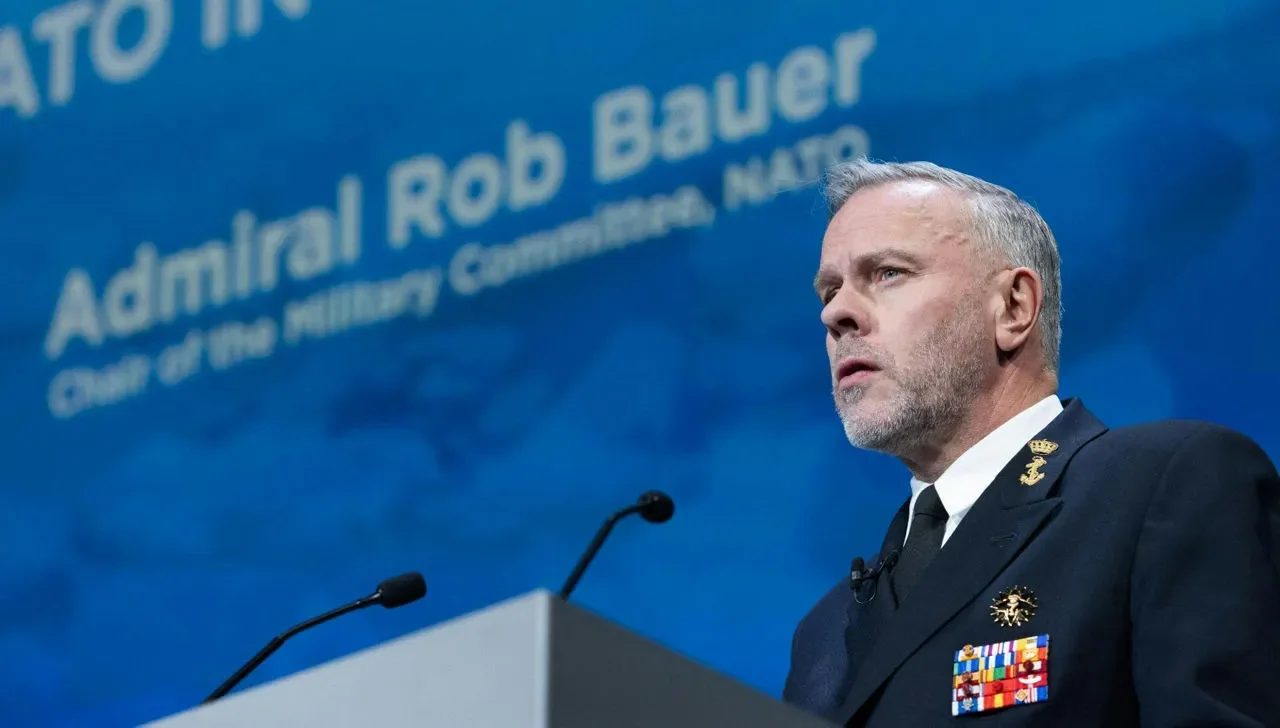
The Chair of the NATO Military Committee, Admiral Bauer, has voiced concerns about Russia's military build-up in the Arctic and the growing Russia-China military partnership in the region.
Discussions involving NATO officials, such as Admiral Bauer, and representatives like the U.S. Ambassador-at-Large for Arctic Affairs, Michael Sfraga, highlight the collaborative efforts to address Arctic security challenges.
NATO Arctic Sentry: A New Deterrence Posture
The anticipated launch of Arctic Sentry represents a tangible response to the evolving security dynamics in the Arctic. This initiative is designed to bolster NATO's ability to monitor activities and respond to potential threats.
Read More: Secret Service Promotions After Butler Attack Criticized by Congress

Leading Nations: Countries like the United Kingdom are confirmed to play a vital role in Arctic Sentry, with military planning already underway. Their extensive operational experience in the region positions them to lead this new endeavor.
Force Augmentation: The UK's commitment to double its troop presence in Norway is a concrete example of the force augmentation that will likely underpin Arctic Sentry. Joint exercises with NATO allies are also being scaled up.
Strategic Importance: The Arctic is deemed crucial for the defense of the North Atlantic, particularly given the asymmetry in naval power with Russia's northern fleet. Arctic Sentry aims to strengthen this strategic defense.
France's Strategic Engagement in the Arctic
France has been proactively defining its role within NATO's Arctic framework, advocating for a robust approach to Arctic governance and security.
National Strategy: The publication of France's Arctic defense strategy last year signals a deliberate move to integrate Arctic considerations into its broader security outlook.
Shaping Governance: France has been actively involved in shaping how NATO addresses Arctic issues, contributing to the alliance's overall strategy for the region.
International Cooperation: France's engagement reflects a wider European recognition of the need for increased attention to Arctic security, aligning with the sentiment that the region requires immediate and focused consideration.
Russia's Arctic Military Presence and NATO's Response
Russia's sustained military build-up in the Arctic is a primary driver for NATO's enhanced security measures.

Operational Bases: Russia operates an estimated 30-40 specialized military bases and has modernized airfields throughout its Arctic territory.
Naval Strength: Russia's northern fleet is a significant factor, outnumbering NATO's capabilities in the region. This asymmetry is a key consideration in NATO's strategic planning.
Observed Activities: Analysts have documented numerous instances of Russian military activities in the Arctic, prompting increased NATO surveillance and readiness.
Expert Perspectives on Arctic Security
Statements from NATO officials and reports from analytical bodies underscore the urgency and complexity of Arctic security.
"Allied interests in the Arctic will be defended."— Admiral Bauer, Chair of the NATO Military Committee
"The Arctic is undergoing rapid transformation. Rising temperatures, melting ice and thawing permafrost are already changing the region and will continue to do so. The impact of climate change in the Arctic, in conjunction with global strategic competition, is contributing to a more unpredictable geopolitical landscape in the region."— Njall Trausti Fridbertsson, General Report, NATO PA
Conclusion and Future Implications
The evidence strongly suggests a concerted effort by NATO and its member states to elevate Arctic security. The impending launch of Arctic Sentry, coupled with increased national contributions from countries like the United Kingdom and France, signifies a strategic adaptation to the region's changing environmental and geopolitical realities. The primary drivers appear to be Russia's robust military posture and the broader implications of global strategic competition. The ongoing transformation of the Arctic due to climate change further complicates this security calculus, demanding a sustained and coordinated response from NATO to safeguard Allied interests and maintain stability in this increasingly vital domain. The effectiveness of these enhanced measures will be contingent on continued cooperation, strategic foresight, and sustained investment in Arctic capabilities.
Read More: Ancient Plankton Shells Show How Arctic Climate Changed
Sources:
NATO Expected to Step Up Arctic Security. Here’s Why. (dnyuz.com)
Published: February 11, 2026
Context: Provides an overview of NATO's expected move to increase Arctic security, mentioning the Arctic Sentry initiative and Russia's military activities.
Link: https://dnyuz.com/2026/02/11/nato-is-expected-to-step-up-arctic-security-heres-why/
Melting ice, rising risks: Why the Arctic is key to Europe's security (euronews.com)
Published: February 5, 2026
Context: Discusses the growing importance of the Arctic for European security, highlighting France's Arctic defense strategy and Russia's significant military presence.
UK steps up defence of Arctic and High North from rising Russian threats (gov.uk)
Published: January 11, 2026 (Implied from 12 hours ago relative to Feb 11, 2026)
Context: Details the UK's commitment to the Arctic Sentry mission and its plan to double troop deployment in Norway, emphasizing the response to Russian threats.
NATO in the Arctic: The Arctic Institute's NATO Series 2024-2025 (thearcticinstitute.org)
Published: October 29, 2024
Context: Explores France's role in NATO's Arctic activities, Russian and Chinese narratives, and the arguments for a defined U.S. Arctic strategy involving NATO. It also raises questions about the impact of NATO activities on Arctic communities and governance.
Link: https://www.thearcticinstitute.org/nato-arctic-the-arctic-institutes-nato-series-2024-2025/
2025 - ARCTIC - REPORT - FRIDBERTSSON - 022 STC | NATO PA (nato-pa.int)
Published: October 12, 2025
Context: Presents a report from the NATO Parliamentary Assembly acknowledging the rapid transformation of the Arctic due to climate change and global strategic competition, leading to a more unpredictable geopolitical landscape.
Link: https://www.nato-pa.int/document/2025-arctic-report-fridbertsson-022-stc
“NATO will defend Allied interests in the Arctic” says Chair of NATO Military Committee (nato.int)
Published: October 21, 2024
Context: Features a speech by Admiral Bauer expressing concerns over Russia's military build-up and Russia-China cooperation in the Arctic, highlighting the importance of the Arctic Circle Assembly and U.S. engagement.
NATO expected to launch Arctic Sentry mission in coming days (ctvnews.ca)
Published: February 10, 2026 (Implied from 1 day ago relative to Feb 11, 2026)
Context: Reports on the imminent launch of the NATO Arctic Sentry mission, further emphasizing the alliance's increased focus on Arctic security.
Link: https://www.ctvnews.ca/world/article/nato-expected-to-launch-arctic-sentry-mission-in-coming-days/