


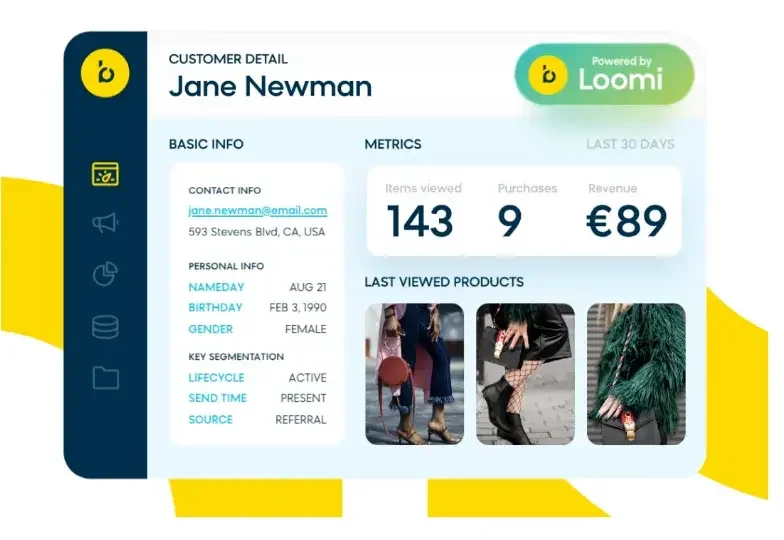
Companies are increasingly grappling with the fragmented nature of customer data, a consequence of interactions across disparate digital environments like mobile applications and websites. The persistent challenge lies in consolidating these disparate data streams into a coherent, actionable whole. At its core, the effort revolves around creating a "single customer view" through the strategic deployment of Customer Data Platforms (CDPs). These systems are designed to ingest, process, and centralize customer information, ostensibly enabling more personalized marketing and analytics.
CDPs function by unifying customer data from various sources. This unification aims to provide a more complete understanding of an individual's engagement with a brand, moving beyond isolated touchpoints to a holistic journey. Key to this process is the ability of CDPs to handle diverse data types – from structured database records and semi-structured event logs to potentially unstructured content like call transcripts. Platforms are increasingly incorporating advanced data quality tools that validate and clean information at its origin. Specialized mobile SDKs are also being developed to optimize data processing for mobile-centric operations.
Read More: Chrome mimeHandler API lets extensions handle file types
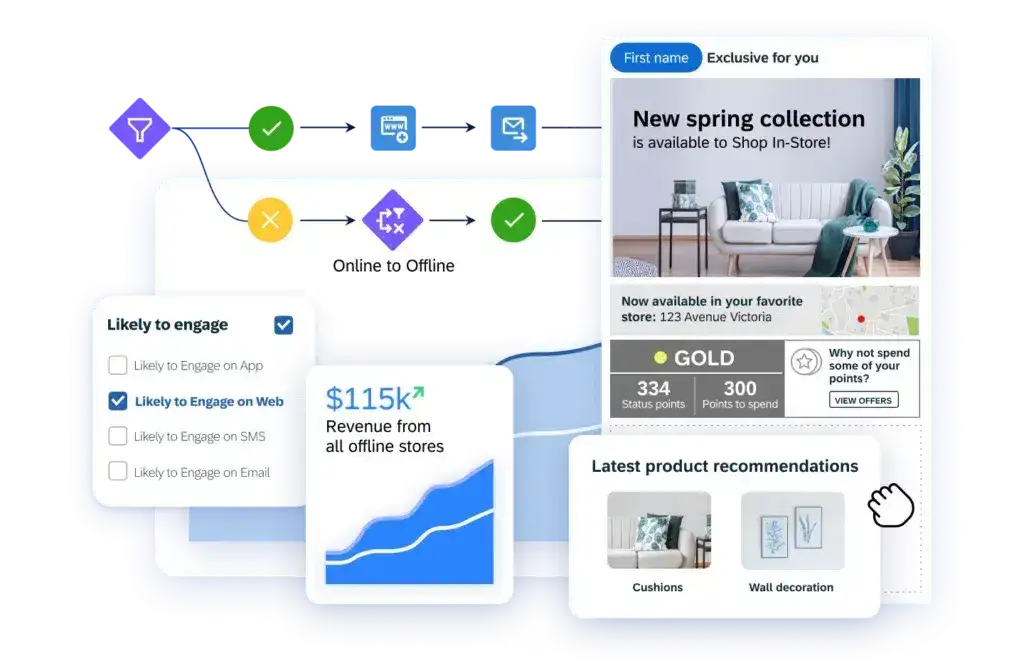
The utility of unified customer data is pitched as a significant asset for business growth. It’s framed as a prerequisite for effective marketing and analytics, allowing for deeper insights and tailored customer experiences. The integration of data from websites and apps is a critical aspect of this strategy. Companies are presented with choices among various enterprise CDP providers, with solutions like Segment (now Twilio), Adobe Real-Time CDP, Salesforce Data Cloud, Treasure Data, and mParticle frequently cited. The selection process often involves balancing the platform's capabilities with practical support considerations.
Operationalizing Unified Data
Beyond mere aggregation, the efficacy of a CDP hinges on its ability to orchestrate data for downstream use. This involves syncing data for analytics and marketing initiatives, often through mechanisms like data orchestration or reverse ETL. A production-grade CDP must contend with both streaming data, representing real-time events from apps and websites, and batch data, such as daily CRM exports. Furthermore, data privacy remains a salient concern, necessitating that CDPs implement robust encryption measures for data both in storage and transit to mitigate potential theft. The eventual destination for this unified data is typically a data warehouse, serving as the central repository.
Read More: What does 'Pro' mean on products and services today?
The CDP Landscape
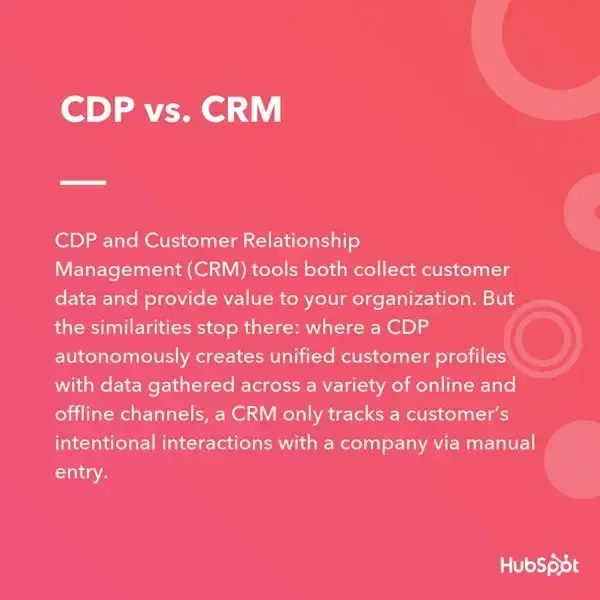
The market for solutions aimed at unifying customer data is diverse. Some platforms offer broader data solutions, particularly for those already invested in big data warehouses like BigQuery. Others provide specialized features, such as demographic and behavioral data from marketplace providers, tailored for specific use cases. The fundamental aim across these offerings is to consolidate customer data into individual, centralized profiles. This contrasts with other data management systems like Customer Relationship Management (CRM) and Data Management Platforms (DMP), though the lines and overlaps can become indistinct in practice. Successful implementation of a CDP is presented as a transformative step for organizations in managing and leveraging customer information.
Background: The Digital Data Deluge
The push for data unification stems from the increasingly fragmented digital interactions customers have with businesses. Each click on a website, each tap within a mobile application, generates data. Without a structured approach to collecting and integrating this information, businesses are left with incomplete pictures of their clientele. This fragmentation hinders personalized communication and effective strategy development, leading to the emergence of CDPs as a proposed solution. The objective is to move from siloed data points to a comprehensive, actionable understanding of each customer's journey.
Read More: BEREC Asks for Mobile Network API Ideas from Developers





