The Unicode Consortium has been busy. A recent flurry of activity suggests a wave of new emoji, some already filtering onto devices, others still in proposal stages, promising to alter the visual language of our digital exchanges.
THE CORE ISSUE IS THE ONGOING ITERATION AND ADOPTION OF PICTORIAL SYMBOLS, UNDERPINNED BY THE UNICODE STANDARD, WHICH DICTATES THEIR FORM AND FUNCTION ACROSS DIVERSE PLATFORMS. The process involves proposal, recommendation, and eventual approval, with individual vendors like Apple and Google then designing and implementing these approved concepts. The most recent wave, tied to 'Emoji 17.0' and 'Emoji 18.0', brings a mix of established designs and brand-new pictograms.
A VISUAL REVOLUTION, PIXEL BY PIXEL
Recent weeks have seen significant developments regarding the incorporation of new emoji. Specifically, Apple released iOS 26.4, a software update that includes 163 new emoji designs. These additions are drawn from the 'Unicode 17.0' recommendations, initially put forth in September. The update has rolled out across various Apple platforms, including iPadOS, tvOS, watchOS, and macOS.
These are not just minor tweaks. The approved batch, influenced by the 'Unicode 17.0' standard, introduces entirely new concepts. Among them, a 'distorted face' with prominent eyes, depictions of 'ballet dancers', a 'Bigfoot-inspired cryptid', an 'orca', and a 'treasure chest' have been highlighted. The rollout across devices is expected to be swift, with some sources suggesting they may appear in the coming weeks, while others point to March or April of 2026 for broader availability.
Read More: Chrome mimeHandler API lets extensions handle file types

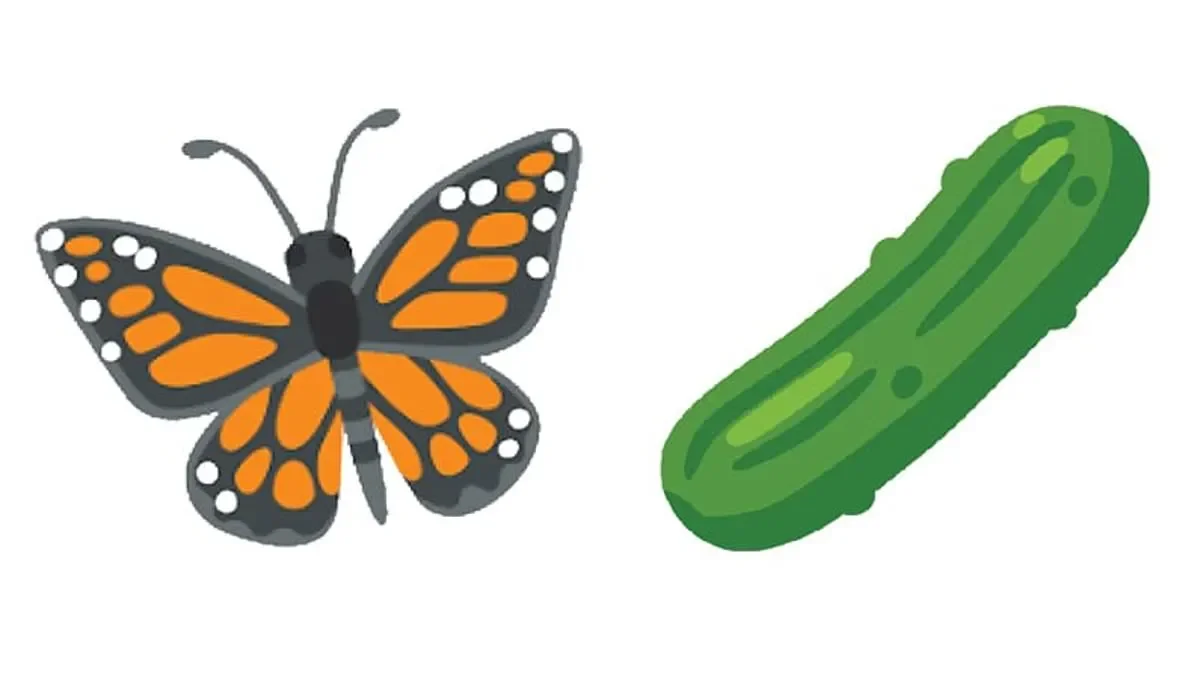
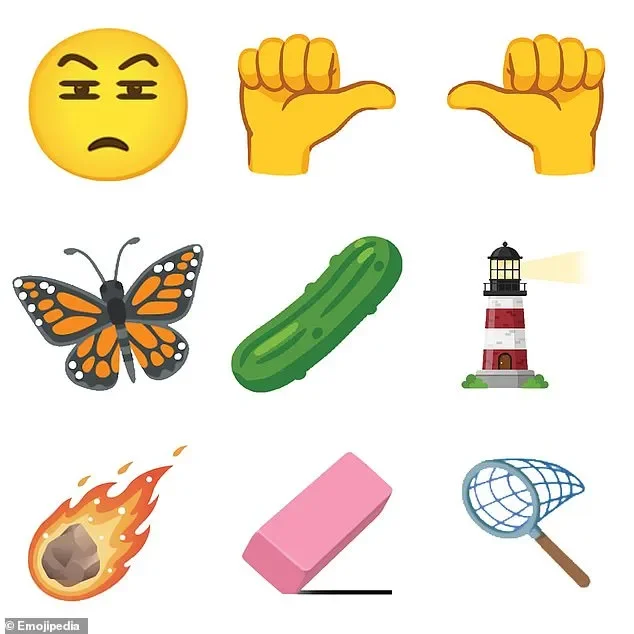
Meanwhile, the gears of emoji evolution continue to turn for future releases. The 'Unicode Consortium' is considering proposals for 'Unicode 18.0', which could introduce nine additional emoji. A 'pickle' emoji has garnered considerable attention, with many anticipating its potential to supplant other, more abstract, symbols in online discourse. Other proposed additions for this future release include a 'meteor', a 'lighthouse', and a revised 'squinting face' which may become a 'cracking face'. These are currently in draft form, subject to final approval which typically occurs around September.

THE MECHANICS OF PICTOGRAPHIC PROGRESS
The pathway from concept to keyboard is a structured one, managed by the 'Unicode Consortium'. This organization oversees the 'Unicode Standard', a universal character encoding system. Emoji proposals undergo scrutiny and recommendation before being finalized in annual updates, such as 'Emoji 17.0' and the upcoming 'Emoji 18.0'.
Read More: New iOS Game 'Consume Me' Blends Puzzles and Music
"After Unicode recommends a new set of draft emojis, it’s up to individual emoji vendors, such as Apple, Google, and Samsung, to design and implement their own versions of each newly approved concept." - Blog.emojipedia.org
This decentralized design process means that while the underlying character is standardized, the visual representation can vary slightly across different operating systems and applications. The timeline for these changes is often staggered, with some platforms adopting updates sooner than others. For instance, while 'Emoji 17.0' is already appearing in some Apple devices, broader support across all platforms is anticipated throughout 2026.
CONTEXT AND CONTINUITY IN THE DIGITAL AGE
The push for new emoji reflects an ongoing effort to expand the expressive capabilities of digital communication. Users often voice their desires for specific symbols, and social media platforms like X (formerly Twitter) frequently become arenas for discussing and anticipating these visual additions. The excitement around the 'pickle emoji', for example, has led to speculation about its cultural impact and potential reinterpretation of existing emoji, such as the 'eggplant'.
The history of emoji development shows a continuous addition of symbols, with 'Emoji 15.1' in 2023 focusing on variations in family compositions and skin tones. This current wave, with 'Emoji 17.0' and proposals for 'Emoji 18.0', continues this trajectory of expanding the visual vocabulary available to users worldwide. The technology behind these updates often involves software updates for operating systems and keyboard applications, ensuring these new symbols seamlessly integrate into users' everyday digital interactions.
Read More: BEREC Asks for Mobile Network API Ideas from Developers