
Study Challenges Narrow View of Needle and Awl Utility
A recent quantitative study challenges the prevailing notion that ancient needles and awls were primarily for crafting clothing to survive frigid climates. While clothing production was indeed a significant use, researchers found these tools possessed a far broader utility, serving critical roles in survival, medicine, and cultural practices across various environments.
The findings, based on a meta-analysis of hundreds of ethnographic documents from the 18th to 20th centuries in North America, indicate that clothing manufacturing accounted for only 14 percent of observed uses.
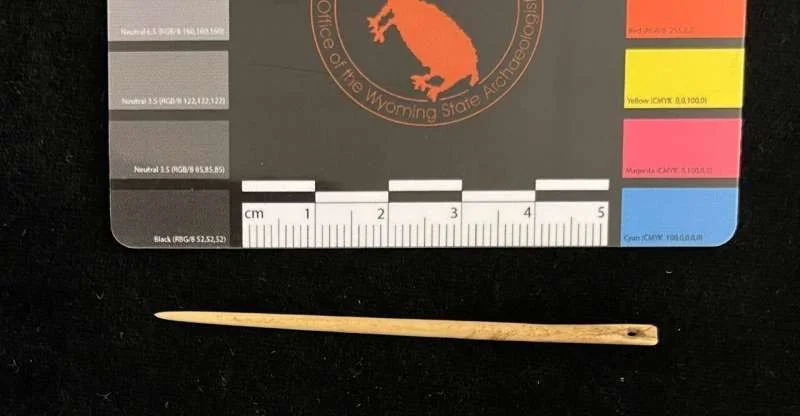
The research, led by McKenna Litynski, an anthropologist at the University of Wyoming, reveals a surprising pattern in tool application. Needles and awls were demonstrably used for a range of activities, including:
Medical Suturing: Essential for repairing injuries and wounds.
Fishing: Likely used to create nets or prepare bait.
Tattooing: Indicating a role in body modification and cultural expression.
Basketry: Suggesting applications in crafting containers and other woven items.
Ceremonial Activities: Pointing to their involvement in ritualistic practices.
This multifaceted application suggests that the perceived importance of these tools for thermoregulation in cold climates, while valid, represents only a fraction of their contribution to early human life.
Read More: 5,900-Year-Old Child Skull Found in Norway Cave

Rethinking Ingenuity and Adaptability
The study provides archaeologists with a new lens through which to examine these common artifacts. By moving beyond a singular focus on clothing, the research underscores the ingenuity and adaptability of ancient peoples.
"It is through examining needles and awls from different lenses that archaeologists like me can reveal their capacity to unravel the broader story of human ingenuity, adaptability and cultural evolution over the last several thousands of years and throughout the world.” — McKenna Litynski
This expanded understanding offers richer insights into how environmental and social factors shaped human behavior and tool use over millennia.
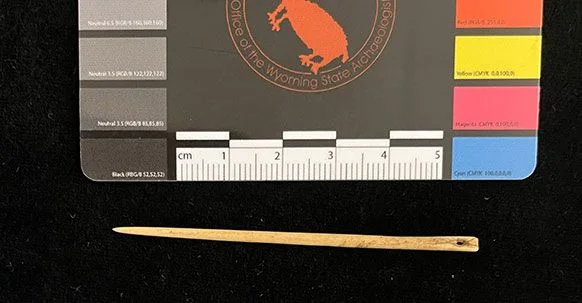
Background: The Thermoregulation Hypothesis
For years, the dominant theory posited that the invention of the needle was a pivotal technological leap, enabling early humans to fashion tailored leather garments. This innovation was believed to be crucial for survival, allowing migration into and endurance within colder regions of the world. The strong statistical link observed between colder environments and increased mentions of needles and awls in historical records seemed to support this 'thermoregulation' hypothesis.
However, Litynski's quantitative approach and ethnographic meta-analysis demonstrate that this explanation, while part of the picture, is incomplete. The study highlights that these tools were not solely dictated by the need to combat the cold but were integrated into a complex web of daily tasks and cultural norms that extended far beyond basic survival needs.
Read More: St. Augustine's ideas on justice help explain US politics