:max_bytes(150000):strip_icc():focal(1015x272:1017x274)/nasa-artemis-II-moon-launch-040126-3a9b4425821c4220ab9ef34fdaa9357f.jpg)
Fifty-three years have passed since the last boot print marked the lunar dust during NASA's Apollo 17 mission. Despite ambitious proclamations and renewed interest, humanity's return to the Moon remains an elusive prospect, a testament to shifting priorities, dwindling budgets, and profound technical and logistical challenges. The dream of sustained lunar presence, once seemingly within grasp, has been postponed, caught in a complex web of historical decisions and contemporary realities.
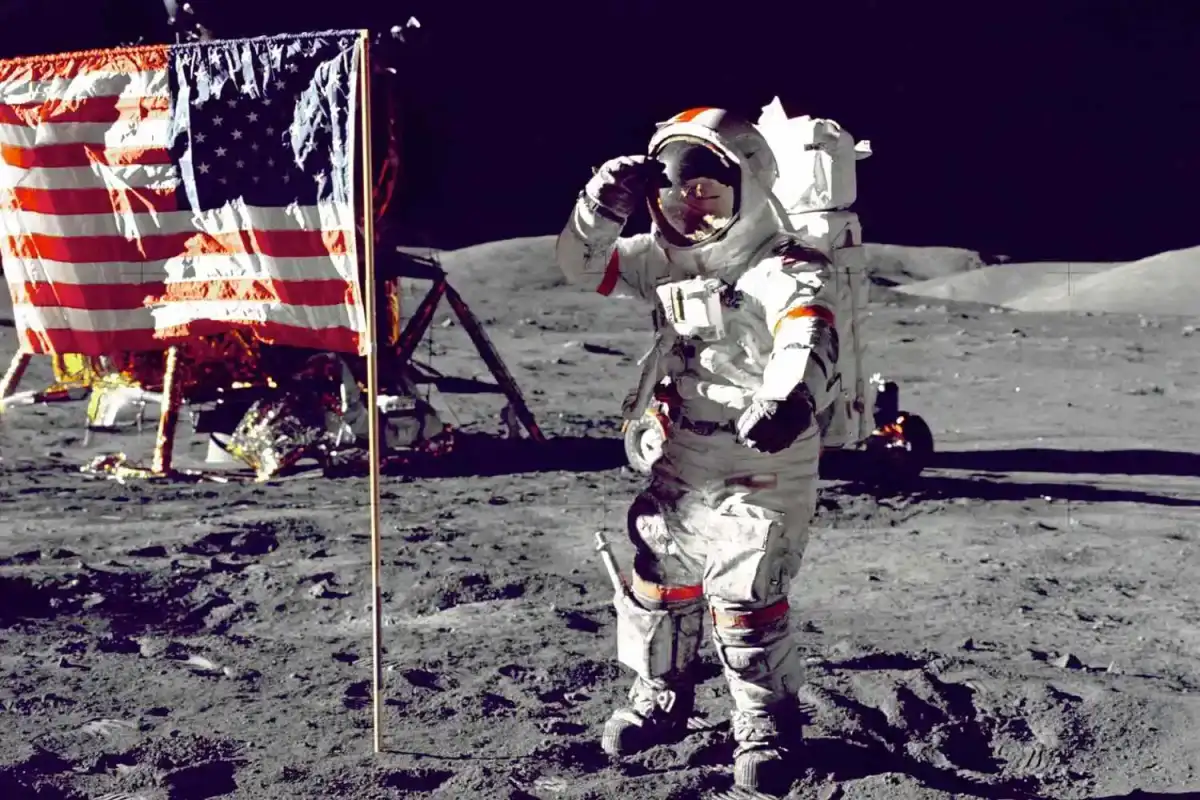
The cessation of the Apollo program after Apollo 17 was not a sudden, unexplained halt, but rather a calculated redirection driven by NASA's leadership and government policy. The agency proposed canceling several planned missions, including Apollo 15, 19, and 20, to pivot resources toward the nascent Space Shuttle program. This strategic shift, detailed in historical accounts, prioritized Earth orbit operations over further lunar excursions.
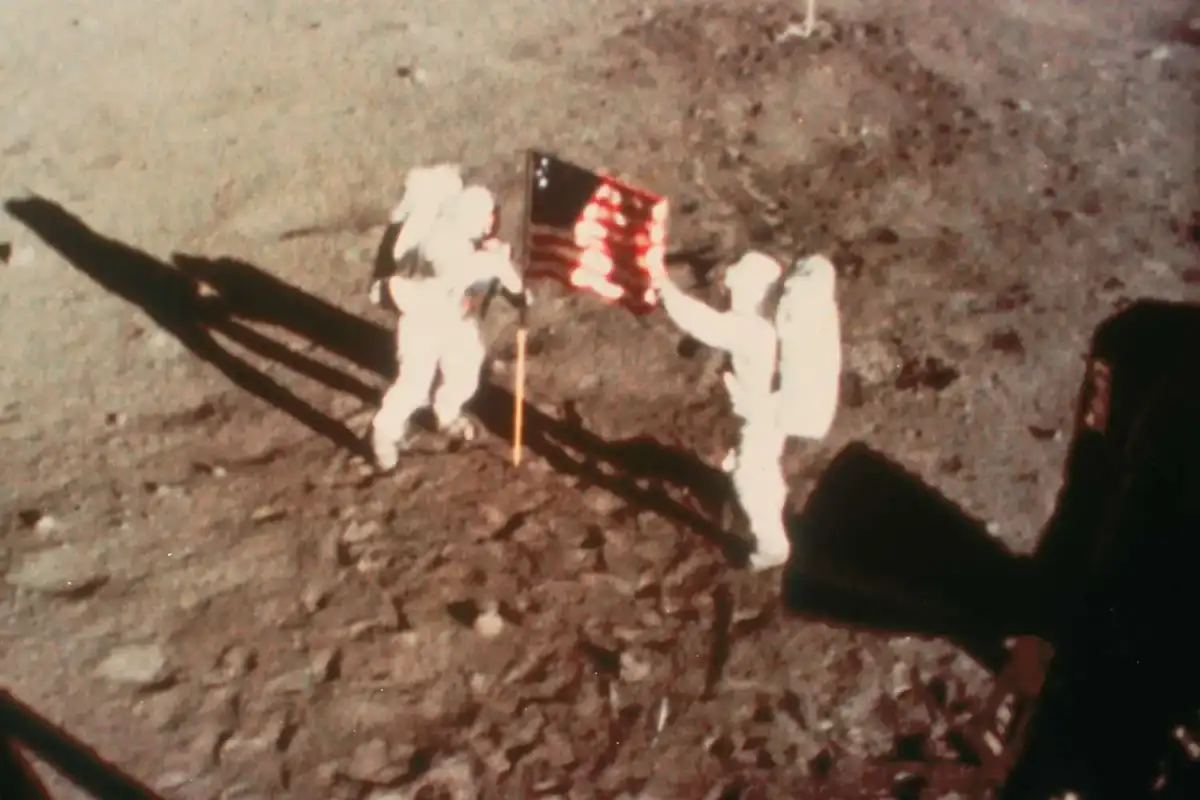
Shifting Sands of Focus and Funding
The intervening decades saw NASA's focus migrate from deep space exploration to low-Earth orbit endeavors, most notably the development of the Space Shuttle and the construction of the International Space Station. This redirection, while advancing other facets of space technology, effectively stalled lunar exploration.
Read More: US Space Force Victus Haze Mission Successfully Tests Orbital Intercepts

The financial landscape for NASA has dramatically altered since the Apollo era. The agency's budget has shrunk from over 4% of federal spending during the Moon landings to a mere 0.4% currently. This reduction in financial muscle is a significant impediment to the immense costs associated with lunar missions.
Beyond financial constraints, technical expertise has eroded. Outdated Apollo-era technology and the subsequent loss of specialized knowledge have complicated the path back to the Moon, making modern missions a considerable undertaking despite advancements in other areas of technology.
Political will and long-term planning have also proven fragile. Sustainable space exploration, whether on Earth or beyond, hinges on stable political backing, predictable funding streams, and a clear, enduring objective. Such sustained commitment proved difficult to maintain after the initial impetus of the Space Race waned.
The Legacy of Apollo and the Path Forward
The Apollo program, though a monumental achievement, was fundamentally a product of its time, fueled by geopolitical rivalry and a singular objective. The current push for lunar return, exemplified by the Artemis program, acknowledges the need for a different approach, one less focused on the "flash" of individual missions and more on establishing a sustainable, long-term presence.

The initial plan extended beyond Apollo 17, with missions through Apollo 20 envisioned. However, these were curtailed, and Apollo 18's scientist, Harrison Schmitt, was reassigned to Apollo 17, the program's final mission.
The extensive data and lunar samples gathered during Apollo 17, including the longest lunar landing flight and the largest sample return, represent the zenith of that era's exploration. Yet, the very success of Apollo may have inadvertently diminished the perceived urgency for further immediate missions.
The challenges of building lunar infrastructure are considerable, with some experts suggesting that a long-term presence would require more than a single nation's sustained effort.
While some fringe theories have speculated about external factors preventing lunar return, the prevailing narrative points to a confluence of practical, economic, and strategic decisions that steered humanity away from the Moon for over half a century. The complexities of designing for diverse astronaut needs, such as specific bathroom technology for women in space, also highlight the evolving considerations for future missions. The road back to the Moon is not merely a matter of technological capability, but a reconstruction of political will, financial commitment, and a shared, long-term vision for humanity's place among the stars.
Read More: St. Augustine's ideas on justice help explain US politics