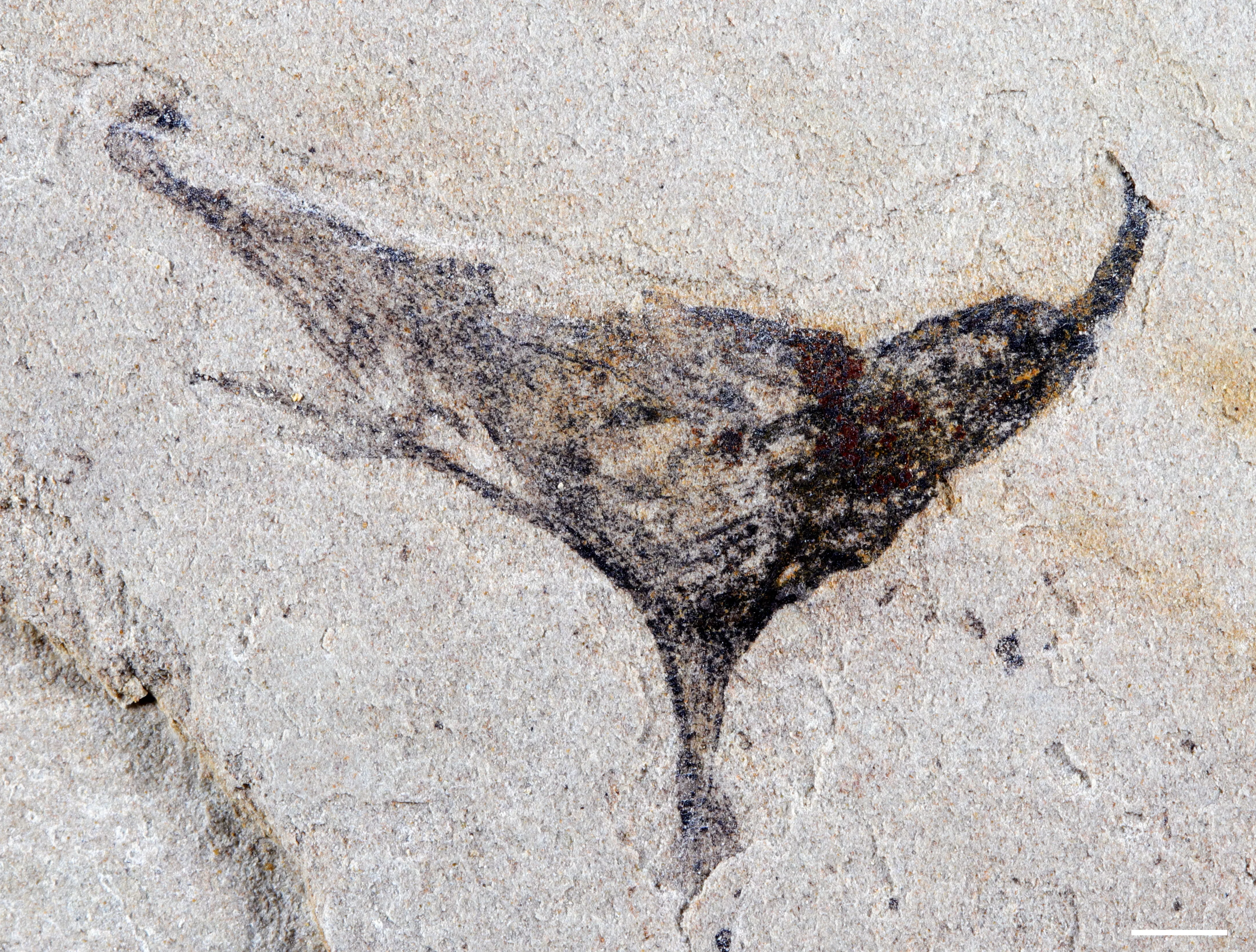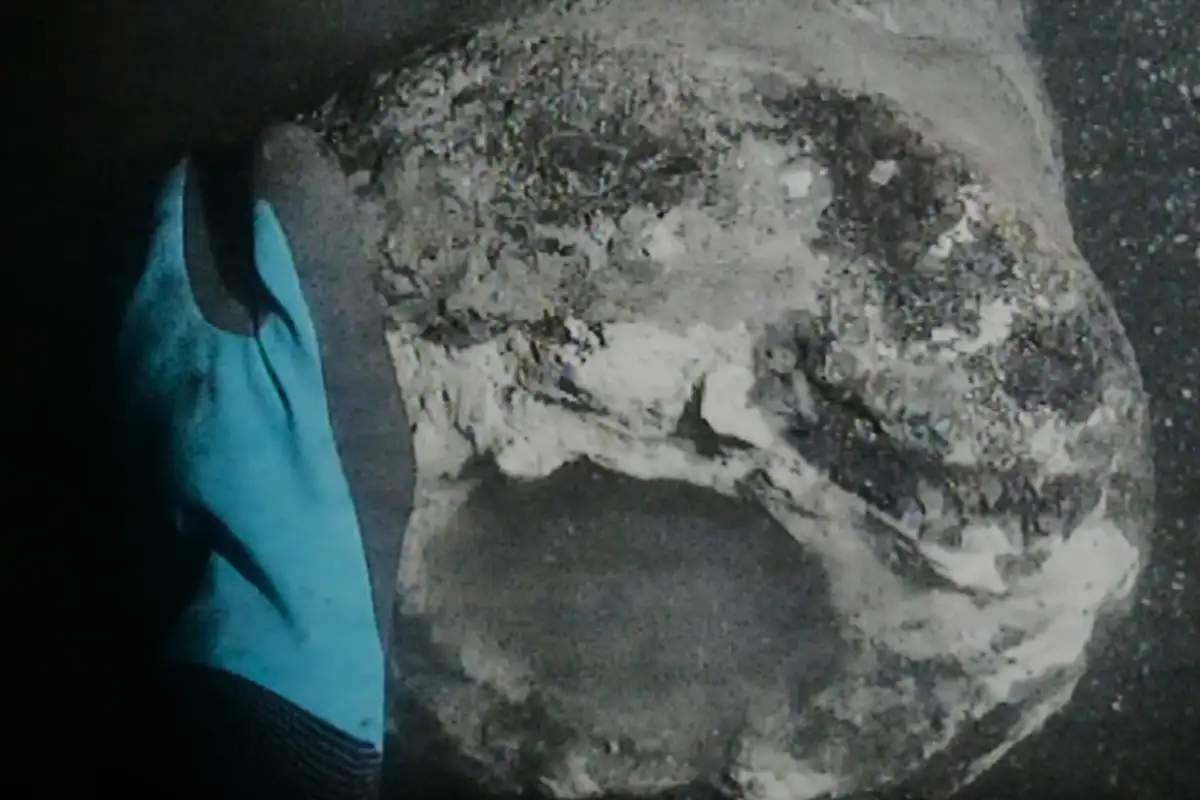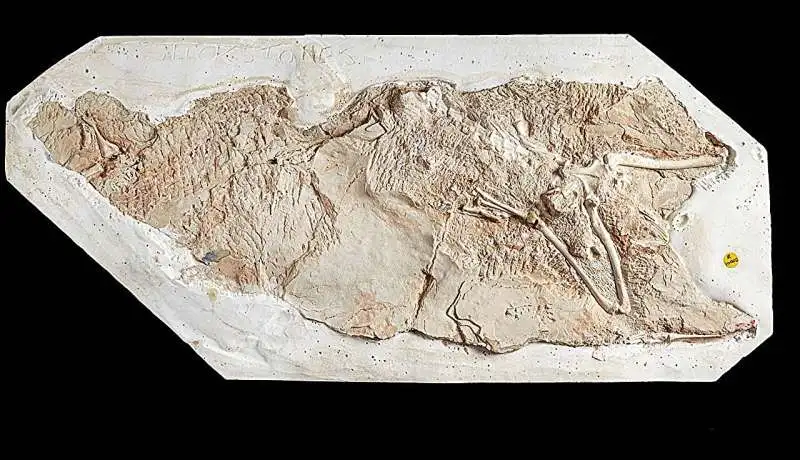
A newly identified species of ancient crocodile has been named in tribute to a Welsh physics teacher, recognizing his lasting impact on a student's scientific journey. This naming offers a unique glimpse into how scientific discoveries can intertwine with personal recognition, bridging the gap between academic pursuits and the individuals who foster them.
Discovery and Naming of Galahadosuchus jonesi
Paleontologists have identified a new species of ancient crocodylomorph, a group that includes modern crocodiles and their extinct relatives. This prehistoric creature lived approximately 215 million years ago during the Triassic Period. The scientific community has formally named this new species Galahadosuchus jonesi.
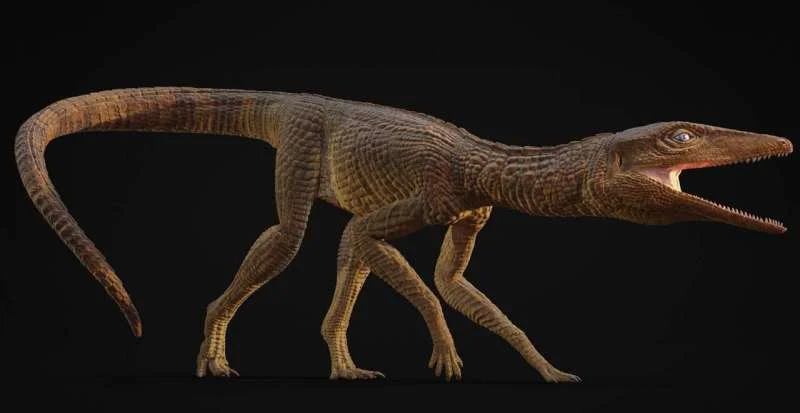
The naming is a direct acknowledgment of David Rhys Jones, a physics teacher from Ysgol Uwchradd Aberteifi, a secondary school in Cardigan, Wales. One of the researchers involved in the study was inspired by Mr. Jones's encouragement and support to pursue a career in science. This act highlights a personal connection within a significant scientific endeavor.
Read More: New Fossils Found in China Show Complex Life Appeared Millions of Years Earlier
Fossil Evidence and Distinguishing Features
The identification of Galahadosuchus jonesi is based on fossil remains. Among these finds were fossils previously associated with another ancient creature, Terrestrisuchus. Researchers used existing collections of Terrestrisuchus fossils, some of which were instrumental in the original species description, for comparison.
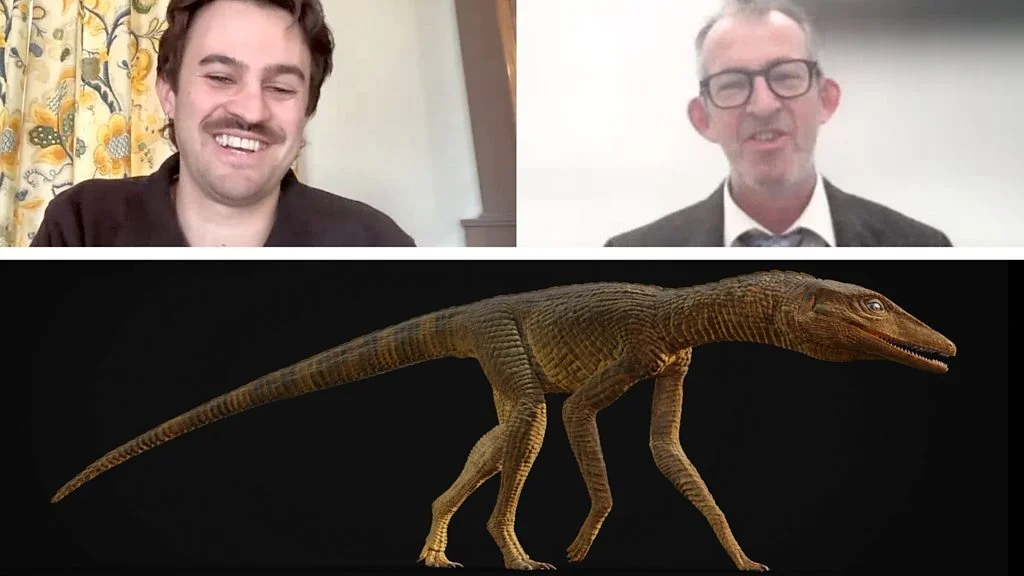
Key differences have been noted between Galahadosuchus jonesi and other known species. Notably, the wrist bones of the new species are described as shorter and stockier when compared to its relatives. This distinct anatomical feature played a role in its classification as a new species.
The exact nature and completeness of the fossil evidence are critical for confirming these distinctions. Further examination of the collected specimens will solidify the anatomical basis for this new classification.
Broader Context of Ancient Reptile Discoveries
The discovery of Galahadosuchus jonesi adds to a growing understanding of prehistoric life. Recent paleontological work has also identified other ancient reptiles, such as aetosaurs, which were heavily armored and pre-dated dinosaurs. These discoveries provide valuable insights into the biodiversity and evolutionary pathways of the Triassic Period.
Read More: Penrith NRL Team Has Best Start in History, English Town Focuses on History
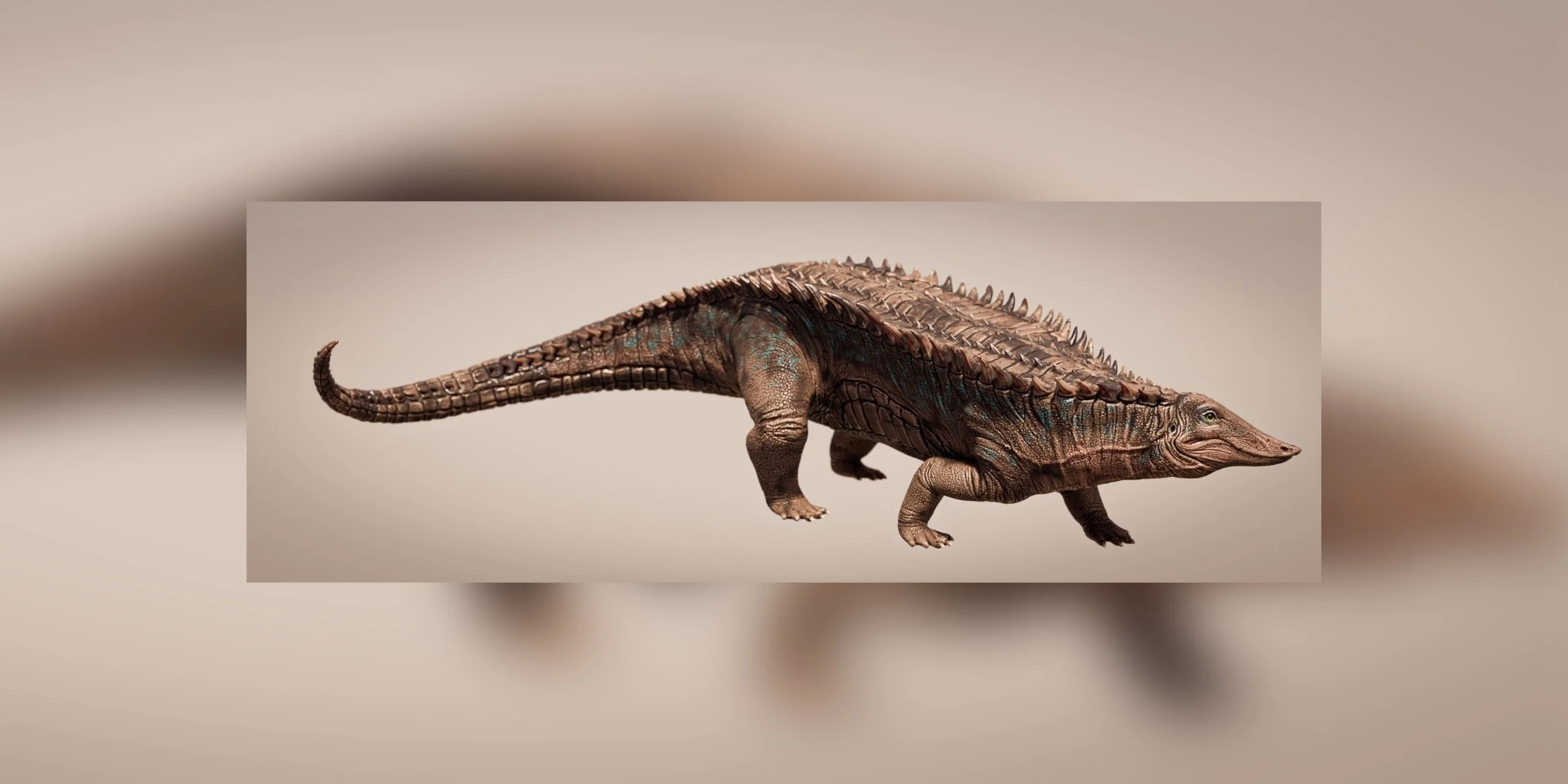
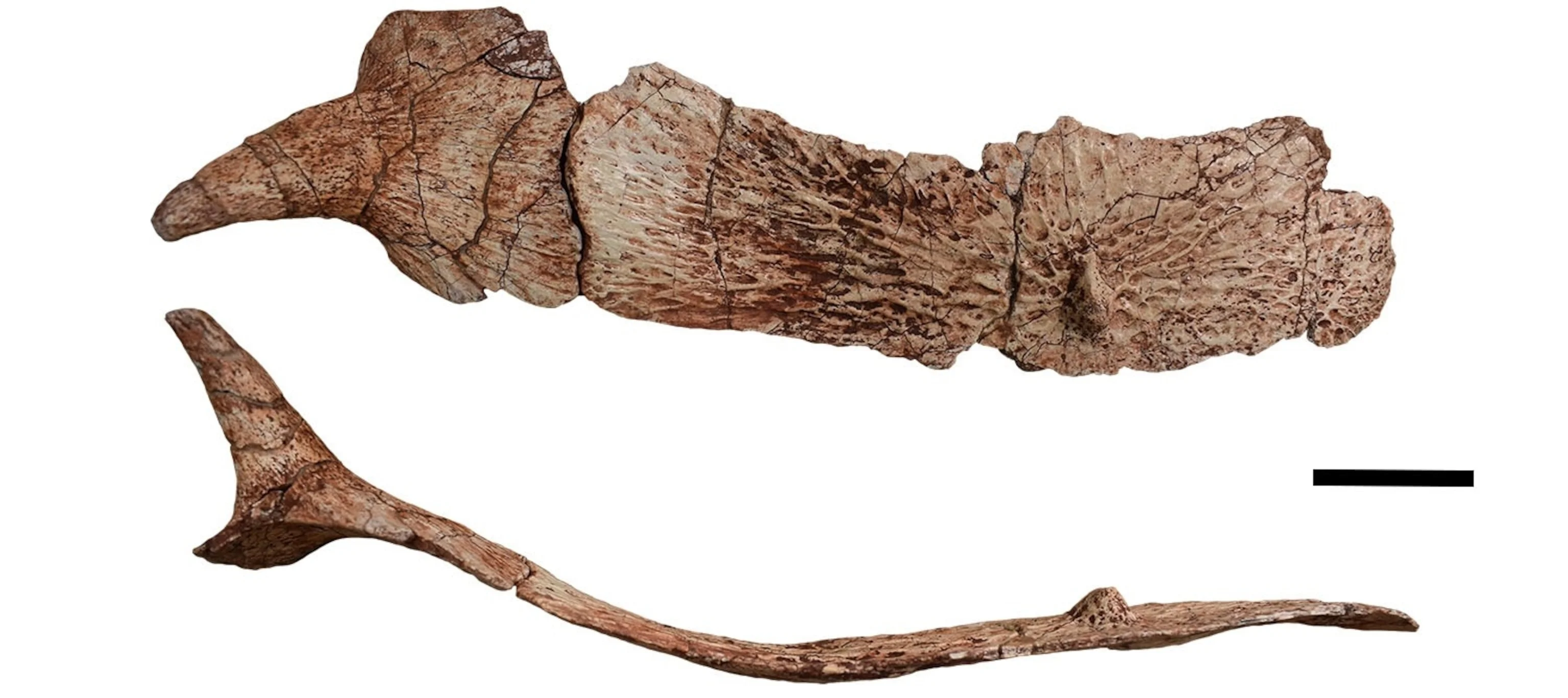
Aetosaurs: These are a group of reptiles from the Triassic Period, characterized by their armored bodies. Their unique skeletal features, including osteoderm plates and curved spikes, help researchers place them within the evolutionary tree of ancient reptiles.
Marine Crocodiles: Separately, a new species of ancient marine crocodile, Enalioetes schroederi, from approximately 135 million years ago (Cretaceous Period), has also been identified. This species belonged to the Metriorhynchidae family, which had adapted to marine life with features resembling dolphins.
These varied discoveries underscore the dynamic and diverse nature of reptilian evolution during different geological eras.
Expert Insights on Naming Conventions and Scientific Tribute
The practice of naming new species after individuals is a long-standing tradition in science, often used to honor significant contributions to a field or personal mentors.
"The second part, jonesi, is a tribute to his school teacher." – Phys.org
This tradition serves a dual purpose: it immortalizes the individual being honored within the scientific record and often tells a story about the influences that shaped scientific careers. In this instance, the naming of Galahadosuchus jonesi directly links a specific scientific discovery to a personal relationship, emphasizing the ripple effect of mentorship in academia.
Conclusion: A Legacy in Fossil Form
The identification and naming of Galahadosuchus jonesi represent a significant addition to our knowledge of ancient crocodylomorphs. The specific details regarding its anatomy, such as the shorter, stockier wrist bones, provide crucial data for paleontologists studying evolutionary adaptations.
Read More: Rubin Observatory Finds Over 11,000 New Asteroids Early On
Furthermore, the choice to name this species in honor of David Rhys Jones highlights the profound and often understated impact educators can have on their students' lives and future careers. It offers a touching narrative of how personal inspiration can become etched into the scientific legacy of prehistoric life. The ongoing study of these fossils will undoubtedly continue to illuminate the world of ancient reptiles.
Sources:
Natural History Museum: https://www.nhm.ac.uk/discover/news/2026/february/new-species-ancient-crocodile-named-after-welsh-school-teacher.html
Phys.org: https://phys.org/news/2026-02-species-ancient-crocodile-honor-welsh.html
ABC News: https://abcnews.go.com/International/215-million-year-crocodile-ancestor-pre-dates-dinosaurs/story?id=108274279
Newsweek: https://www.newsweek.com/paleontologists-reveal-new-species-ancient-crocodile-triassic-tank-1880772
The Sun: https://www.the-sun.com/tech/15955023/ancient-crocodile-ran-eating-victims-uk-found/
The Brighter Side: https://www.thebrighterside.news/discoveries/scientists-discover-new-species-of-ancient-crocodile-from-135-million-years-ago/