A mother’s plea has surfaced concerning her son’s death under Canada’s Medical Assistance in Dying (MAID) program. Margaret Marsilla alleges that doctors pushed her son, Kiano Vafaeian, towards assisted suicide, despite his lack of a terminal illness. This situation raises profound questions about the application of MAID laws and the ethical duties of medical professionals. The family’s statement introduces a deeply personal dimension to the ongoing, complex debate surrounding end-of-life choices and medical assistance.
Context
Kiano Vafaeian died on December 30, 2025, at the age of 26 in British Columbia, Canada. His death was facilitated through the country's Medical Assistance in Dying (MAID) program. According to his mother, Margaret Marsilla, Vafaeian was not terminally ill. Marsilla contacted her son twelve days prior to his death, at which point he expressed a firm intention to pursue assisted suicide. The family now contends that medical professionals unduly influenced Vafaeian’s decision.

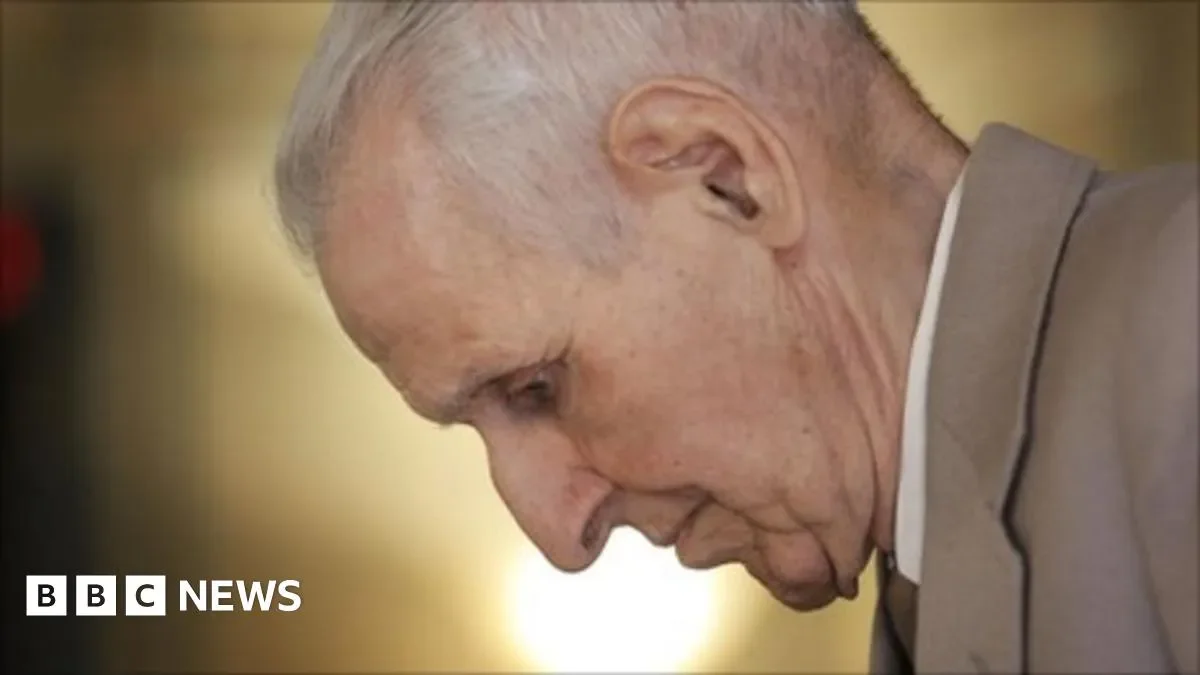
The debate surrounding assisted dying has a long history, with figures like Dr. Jack Kevorkian becoming prominent in the United States for advocating for and assisting individuals in ending their lives. Kevorkian, a pathologist, believed patients had a right to die and helped over 130 individuals end their suffering. He faced legal challenges, including murder charges, for his actions. His approach and advocacy, though controversial, highlighted differing views on medical ethics, patient autonomy, and the role of physicians in end-of-life care. Kevorkian's legal battles and public persona underscored the deeply divisive nature of euthanasia and physician-assisted suicide within both the medical community and society at large.
Read More: Jessica Mulroney divorce from Ben Mulroney after Meghan Markle fallout

Evidence
Family Allegation: Margaret Marsilla claims that doctors pressured her son, Kiano Vafaeian, into utilizing the MAID program.
Vafaeian's Condition: Reports indicate Kiano Vafaeian was 26 years old and not terminally ill at the time of his death on December 30, 2025.
Vafaeian's Intent: Twelve days before his death, Vafaeian communicated his determination to die through MAID to his mother.
Canadian MAID Framework
Canada's MAID legislation, introduced in 2016, permits medical assistance in dying for individuals who meet specific eligibility criteria. Initially, MAID was available only to those whose natural death was reasonably foreseeable. Subsequent court decisions and legislative amendments have expanded eligibility to individuals with grievous and irremediable medical conditions who are not at the end of their life. The program’s intent is to offer a compassionate option for individuals experiencing unbearable suffering that cannot be alleviated.
Ethical Considerations in Medical Assistance in Dying
The case of Kiano Vafaeian brings into sharp focus the ethical considerations surrounding MAID.
Patient Autonomy vs. Medical Safeguards
Pro-Autonomy View: Proponents of MAID emphasize the principle of patient autonomy, arguing that individuals should have the ultimate right to make decisions about their own bodies and lives, including the timing and manner of their death, especially when facing suffering.
Safeguard Concerns: Critics and ethicists express concern that MAID legislation, particularly its expansion, might not always include sufficient safeguards against undue influence or misapplication, especially for individuals with mental health challenges or those who are not terminally ill. The family's allegation that doctors pressured Vafaeian directly questions whether proper safeguards were in place and adhered to.
Role of Medical Professionals
Compassion and Dignity: As highlighted by Geoffrey Fieger, lawyer for Dr. Jack Kevorkian, physicians involved in assisted dying are often driven by a sense of compassion and a desire to uphold patient dignity. Fieger stated that Kevorkian was "a physician who had an acute sense of compassion and a respect for the dignity of his patients."
Potential for Coercion: The family’s allegations suggest a potential for medical professionals to overstep their bounds, potentially influencing vulnerable individuals rather than merely facilitating a patient’s autonomous request. This raises the question: Is the doctor’s role to facilitate a patient’s choice, or to actively guide them towards that choice?
Historical Precedents: The Kevorkian Era
The discussion around assisted dying in North America is significantly shaped by the legacy of Dr. Jack Kevorkian. Kevorkian, who practiced in the United States, became widely known as "Dr. Death" for his role in assisting over 130 individuals in ending their lives.
Read More: NHS official Ms. Jones steps back from Palantir contract on 7 April 2026
| Aspect | Dr. Jack Kevorkian | Kiano Vafaeian Case (Allegations) |
|---|---|---|
| Advocacy | Publicly advocated for the right to die, creating his own "Doctrine." | No evidence of explicit advocacy by Vafaeian in provided summaries. |
| Patient State | Assisted individuals with "painful terminal illnesses" and "acute medical conditions." | Alleged to be "not terminally ill." |
| Medical Role | Actively assisted in administering drugs and facilitating death. | Alleged pressure from doctors to commit suicide through MAID. |
| Legal Outcome | Convicted of murder and other charges, serving prison time. | Currently under family allegation; legal proceedings are not detailed. |
| Motive | Believed in patient autonomy and ending suffering. | Allegations suggest potential medical pressure rather than patient-driven choice. |
Kevorkian believed that dying should be an "intimate and dignified process." His actions, however, led to legal battles and criticism, with his medical license revoked. His story illustrates the long-standing societal and legal complexities surrounding physician-assisted suicide.
Conclusion
The allegations brought forth by Margaret Marsilla regarding her son Kiano Vafaeian's death through Canada's MAID program present a critical juncture for review. The core of the concern rests on the family's claim of medical professionals pressuring a non-terminally ill young man towards assisted suicide.
If these claims are substantiated, they would indicate a severe deviation from the ethical principles intended to govern MAID, specifically concerning informed consent and the protection of vulnerable individuals. The case prompts an investigation into:
The specific circumstances leading to Vafaeian's decision.
The protocols and ethical guidelines followed by the medical professionals involved.
The effectiveness of safeguards within the Canadian MAID system to prevent undue influence.
The parallels drawn to the controversial advocacy of Dr. Jack Kevorkian underscore the historical sensitivity and ethical scrutiny that must accompany discussions and applications of medical assistance in dying. This situation demands a thorough and objective examination to uphold the integrity of end-of-life care practices.
Read More: FireFly Metals Finds Big Copper-Gold Near Green Bay, Canada
Sources
Daily Caller: https://dailycaller.com/2026/02/17/canada-suicide-assisted-medicial-dying-kiano-vafaeian-margaret-marsilla-mental-health-euthanasia/ - Published 22 minutes ago. Provides the primary account of the family's allegations regarding Kiano Vafaeian's death.
Britannica: https://www.britannica.com/biography/Jack-Kevorkian - Published Jan 23, 2026. Offers biographical details on Jack Kevorkian, his beliefs, and his involvement in assisted suicide.
Crime and Investigation: https://www.crimeandinvestigation.co.uk/articles/dr-jack-kevorkian-dr-death-euthanasia - Seen on AOL. Discusses Dr. Jack Kevorkian's controversial career and his stance on assisted suicide.
Oxygen: https://www.oxygen.com/license-to-kill/crime-time/dr-death-jack-kevorkian-euthanized-patients-christopher-duntsch - Published Jun 25, 2019. Details Jack Kevorkian's role in assisted suicides and his public advocacy.
Biography.com: https://www.biography.com/scientists/jack-kevorkian - Published Apr 2, 2014. Provides information on Jack Kevorkian's life, his involvement in euthanasia, and legal consequences.
Cato Institute: https://www.cato.org/commentary/dr-kevorkian-was-convicted-murder-25-years-ago-today - Published Mar 26, 2024. Reflects on Dr. Kevorkian's conviction and discusses rights related to ending one's life, touching on Canadian healthcare.
BBC News: https://www.bbc.com/news/world-us-canada-13649381 - Published Jun 3, 2011. Chronicles the controversial history and views of Dr. Jack Kevorkian.
Dispatch: https://www.dispatch.com/story/news/2011/06/04/dr-jack-kevorkian-1928-2011/23329497007/ - Published Jun 4, 2011. Reports on the life and advocacy of "Dr. Death," Jack Kevorkian, for euthanasia.