:max_bytes(150000):strip_icc()/will-ferrell-christina-applegate-2-anchorman-030526-6f775c8b93fe4cc596cb97c4f38a8014.jpg)
A Pay Disparity Emerges in "Anchorman" Production
In the peculiar landscape of film production, where numbers often speak louder than artistic intent, a notable intervention transpired during the making of the 2004 comedy Anchorman: The Legend of Ron Burgundy. Christina Applegate, a prominent figure in the comedic scene prior to her role as Veronica Corningstone, found the initial financial proposal for her participation to be, by her account, "offensive."

The core of the matter revolves around a disparity in compensation. Applegate, speaking on a recent appearance on The View, stated that the studio's initial offer was unacceptable, prompting Will Ferrell and director Adam McKay to supplement her salary directly from their own earnings. This act, described by Applegate as recognizing her "worth," underscores a potential tension between studio-level budgeting and the perceived value of individual performances within a production.
Read More: Danny McBride finishes G.I. Joe script for Paramount by April 2026
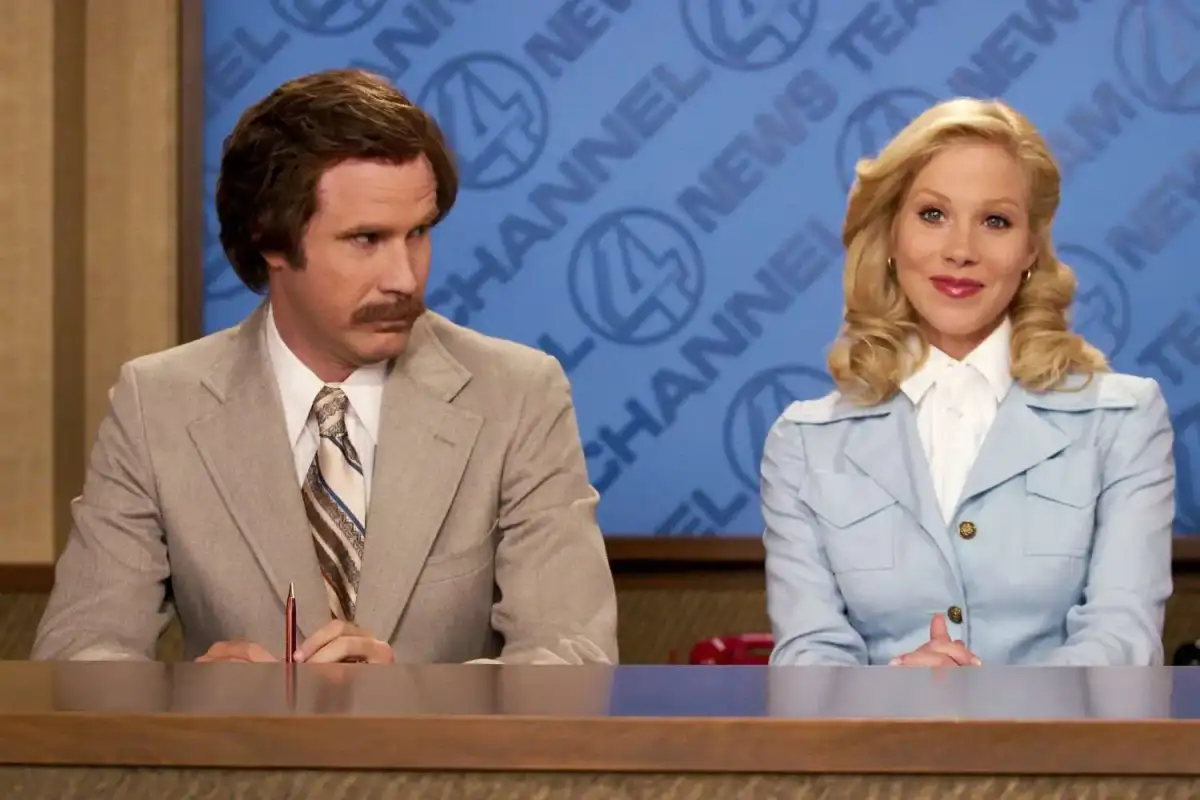
Behind the Scenes Adjustments
The situation, brought to light during Applegate's press tour for her memoir, You With the Sad Eyes, highlights a behind-the-scenes negotiation that extended beyond standard studio practices. While details of the exact amounts are not public, the implication is that Ferrell and McKay, deeply invested in Applegate's contribution to the film's comedic synergy, chose to absorb a financial reduction themselves to ensure her satisfaction and continued involvement. This scenario offers a glimpse into the internal dynamics that can shape a film's creative and financial architecture.
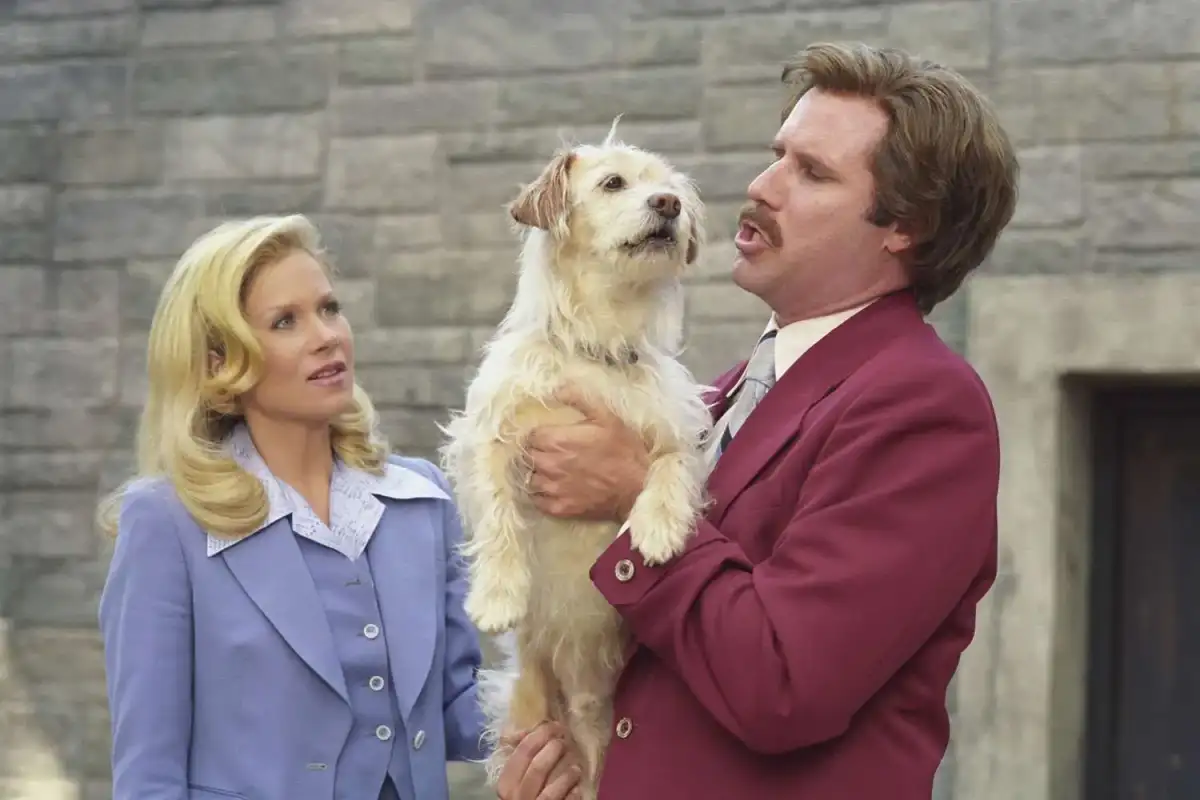
Applegate, already established with a career that included the widely recognized role of Kelly Bundy in Married… with Children, was evidently in a position to assess and reject an offer she found wanting. Her assertion that "I know my worth, and I can't do that" signifies a personal stance against what she perceived as an undervaluation. The subsequent actions by Ferrell and McKay suggest a shared understanding of her significance to the project.
Read More: Producer TP Aggarwal Says 'Gundagardi Won't Fly' to Film Guild
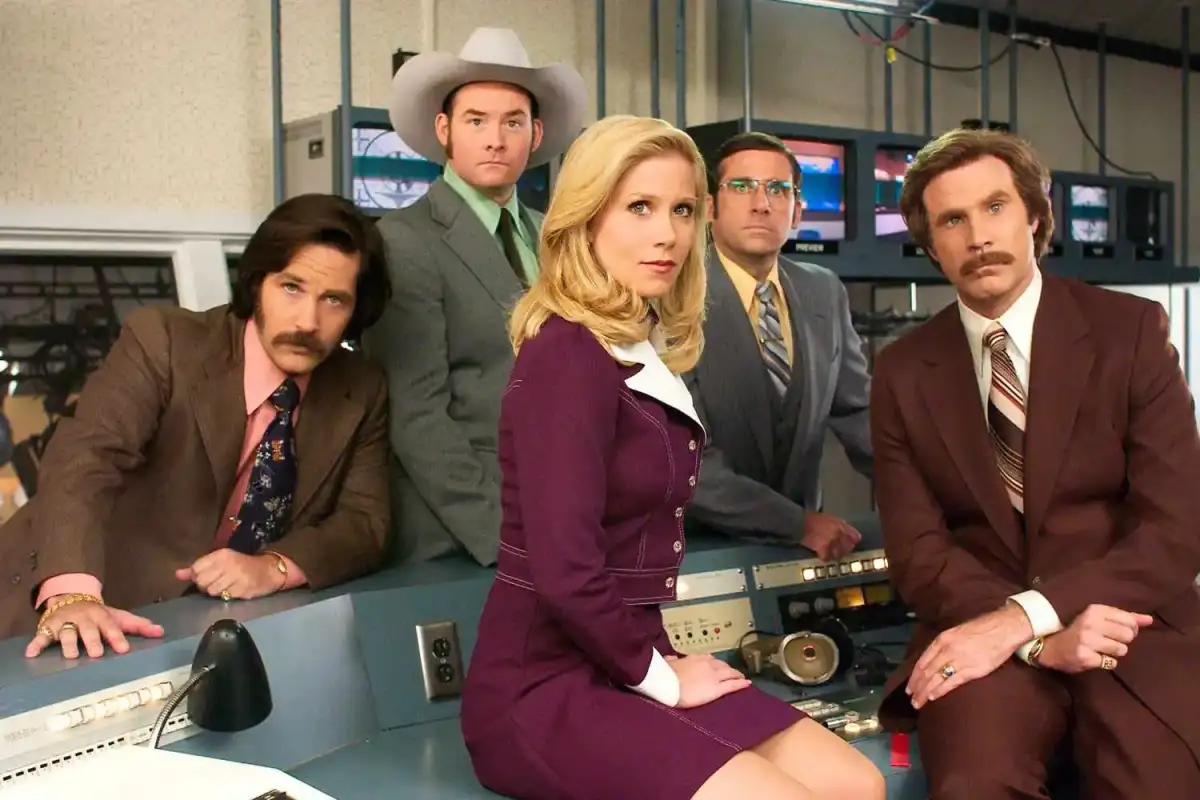
The production itself, known for its ensemble cast including Steve Carell, Paul Rudd, David Koechner, and the late Fred Willard, benefited from a distinct creative approach reportedly developed by McKay and his team. This methodological innovation, coupled with the financial adjustment for Applegate, points to a production environment that, at least in this instance, allowed for personal interventions to address perceived inequities.
The Anchorman saga, now cemented in cinematic lore, offers a case study in the complex interplay of creative vision, financial realities, and individual negotiation within the film industry. The willingness of key figures to directly influence an actor's compensation, particularly when that actor is a vital part of the ensemble, speaks to a certain degree of collegiality and a recognition of talent that transcends purely transactional agreements.