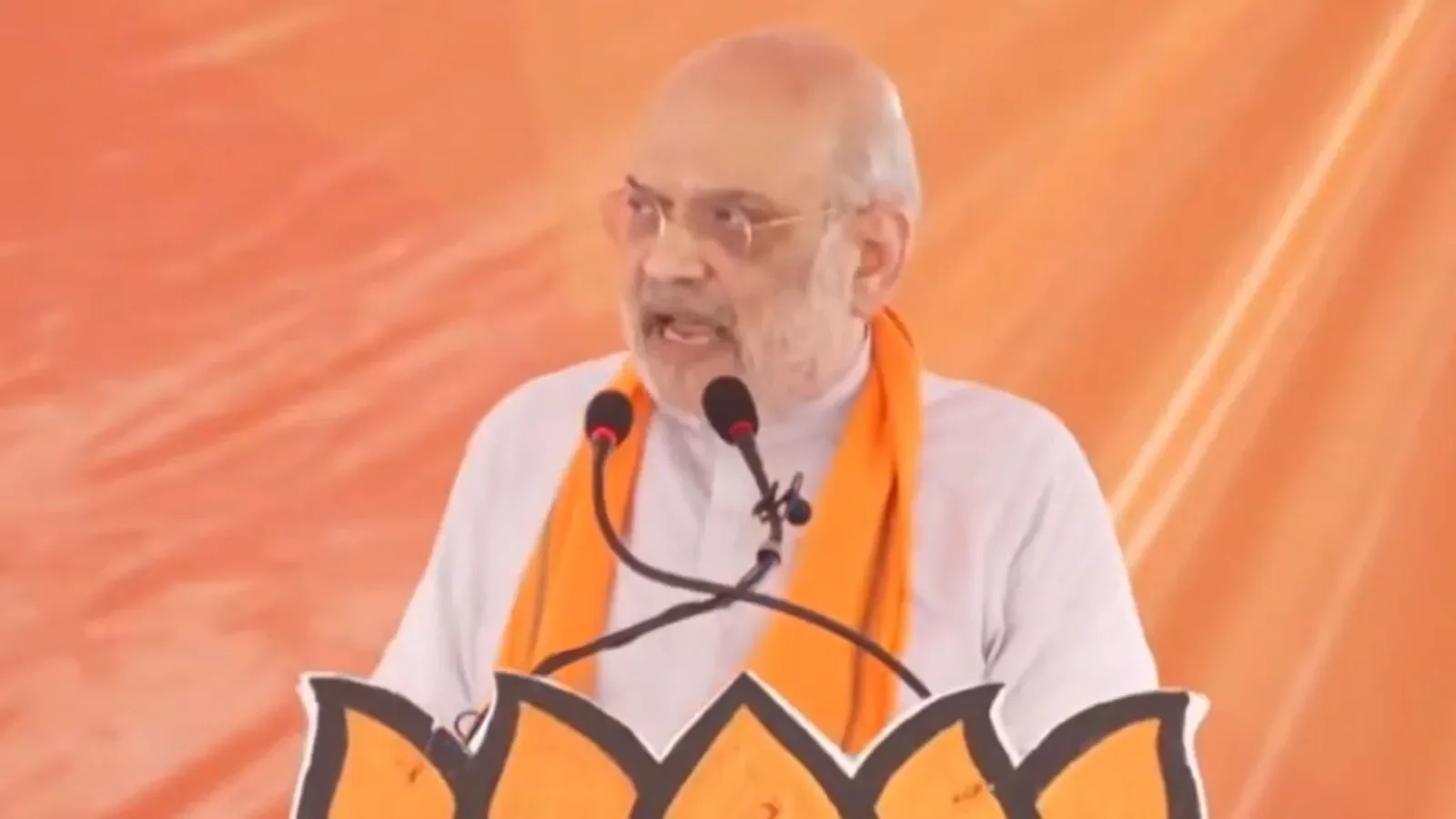
Union Home Minister Amit Shah declared on April 11, 2026, that if the BJP secures victory in the upcoming West Bengal Assembly elections, a top priority would be resolving the Gorkha issue. Addressing a rally in Onda, Bankura district, Shah explicitly stated the BJP's intent to dismantle the perceived 'syndicate raj' of the ruling Trinamool Congress (TMC) government. He further pledged that those involved in atrocities against women in the state would face justice under a BJP administration, and that "infiltrators" would be expelled.
The core of Shah's pronouncements centres on a post-election commitment to both systemic change in governance, targeting alleged corruption and exploitative practices, and a firm stance on security and territorial integrity through the expulsion of "infiltrators." Additionally, a specific regional concern, the Gorkha issue, is elevated to a key priority post-victory, suggesting a multifaceted campaign strategy encompassing governance, security, and regional autonomy.
Read More: Taiwan Holds Nantou County Drills to Prepare for State Collapse
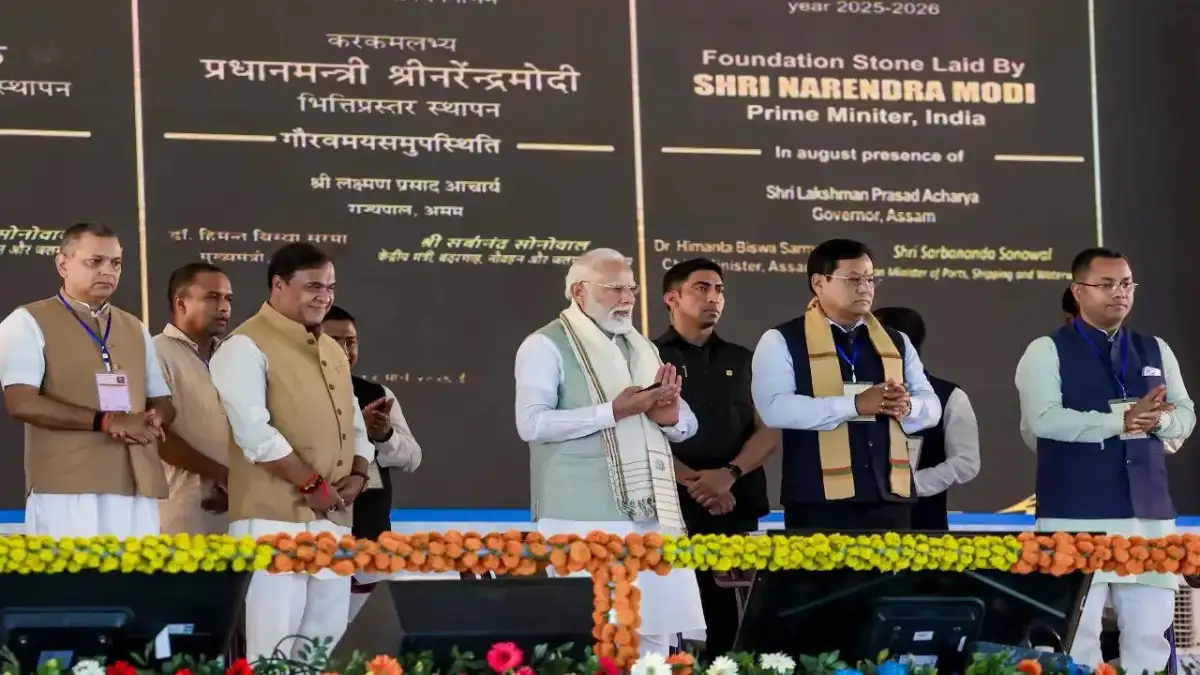
Prime Minister Narendra Modi also engaged with the campaign narrative, highlighting "strong voter enthusiasm" in West Bengal. Modi's rhetoric has frequently targeted the TMC, employing phrases such as “T Means Terror, M Mafia Raj, C Corruption.” He also raised concerns about the potential for the TMC to deploy "fake AI videos" and accused the party of creating a "fish market" atmosphere during campaigning. Modi promised a "transparent system" to replace the TMC's alleged "syndicate" system and indicated the BJP would release a white paper on the TMC government's alleged corruption.
The political landscape is marked by sharp exchanges, with the TMC criticising the BJP’s manifesto as a "recycled catalogue of jumlas." Meanwhile, BJP leader Mithun Chakraborty asserted that the "Special Intensive Revision" of electoral rolls was constitutionally compliant, dismissing TMC objections as stemming from "fear of defeat."
Read More: Om Birla asks West Bengal MLAs for solutions, not just criticism
The electoral process itself is under scrutiny, with Mamata Banerjee accusing "BJP agents" of submitting numerous fake Form 6 applications, an alleged attempt to include "outsiders" in the electoral rolls. This accusation points to a deep-seated concern about electoral integrity and the potential for manipulation of voter lists, a tactic frequently employed in politically charged environments.
The West Bengal Assembly, comprising 294 seats, is scheduled for polling in two phases on April 23 and April 29, 2026, with vote counting and results expected on May 4, 2026. The TMC has declared its intention to contest 291 seats, expressing confidence in winning over 226.
The election campaign has seen a variety of issues brought to the forefront, from allegations of corruption and syndicate raj to concerns about women's safety and the contentious topic of "infiltrators." Even seemingly mundane aspects like fish have emerged as a campaign talking point. Crude bomb explosions have also been reported in Nadia district, adding a layer of violence to the political discourse. Other political entities, such as AIMIM chief Owaisi, have also been noted in discussions regarding potential alliances.
Read More: FBI Analysts Review Georgia 2020 Election Data in Fulton County