A SYSTEMIC OVERHAUL IMMINENT, CHARGES PM
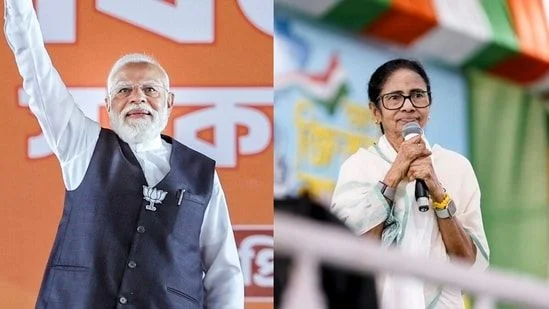
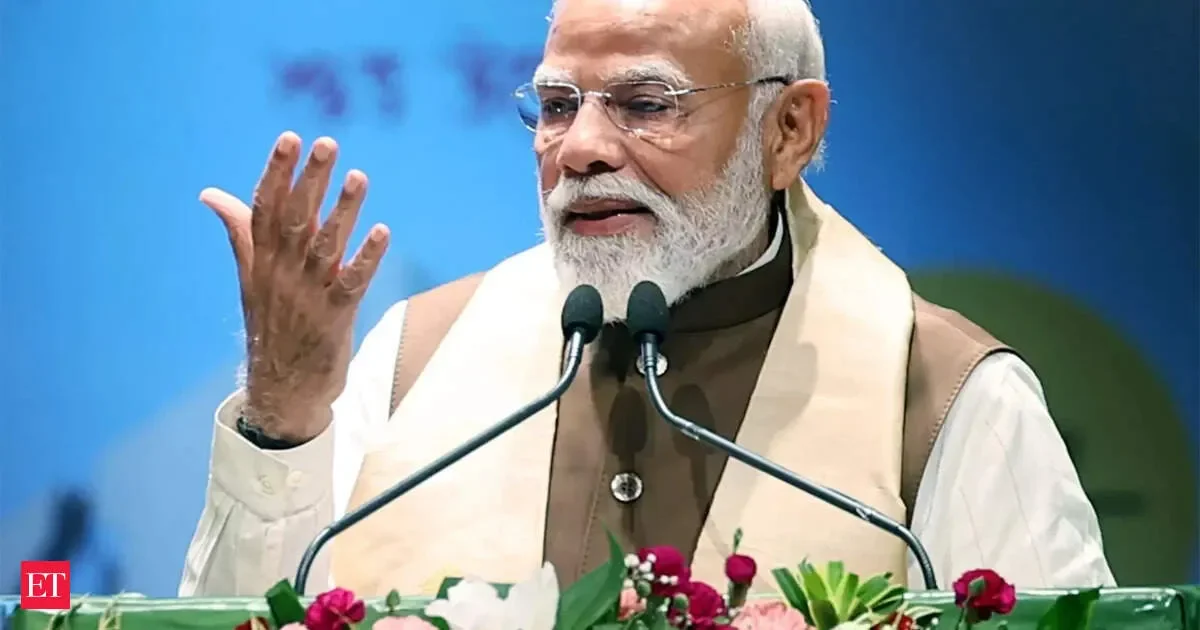
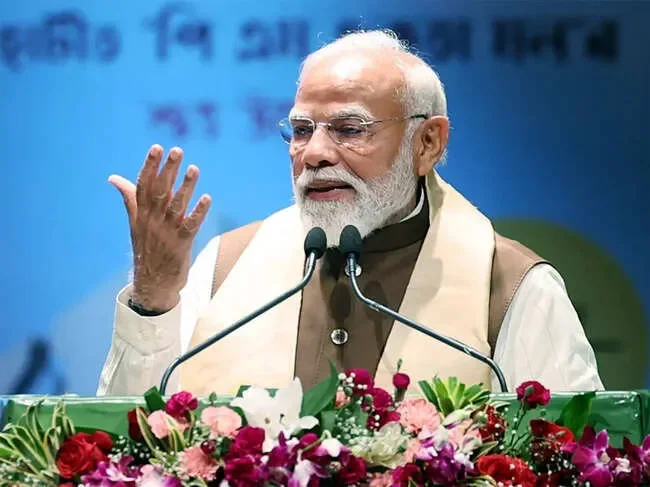
Prime Minister Narendra Modi asserted on Thursday, April 9, 2026, that a change in governance in West Bengal is not merely possible, but an inevitability. Speaking at various rallies across the state, including in Asansol and Haldia, Modi stated that the incumbent Trinamool Congress (TMC) government has amassed a "repository of sins" that has reached its limit, signifying a public yearning for a new political order. He specifically targeted the TMC's alleged misrule, accusing them of fostering corruption, enabling a 'syndicate raj,' and failing to ensure the safety of women. The Prime Minister's pronouncements suggest a deliberate campaign to frame the upcoming elections as a referendum on the TMC's tenure, casting the BJP as the sole alternative capable of rectifying the state's perceived deficiencies.
Modi's criticisms centered on several key accusations:
Read More: Taiwan Holds Nantou County Drills to Prepare for State Collapse
A pervasive atmosphere of corruption and illegal activities, including the black marketing of coal.
A decline in the state's economic standing, evidenced by a fall in its contribution to national GDP.
A deterioration in women's safety, with specific mentions of acid attack cases.
The alleged suppression of central government schemes and a failure to implement them effectively.
The fostering of a "factory of infiltrators for vote bank."
He promised that a BJP government would usher in accountability, reopen files on alleged corruption and crimes, and work towards making Bengal self-sufficient, particularly in the fisheries sector. The Prime Minister also highlighted the potential for industrial revival in areas like Asansol and Durgapur, promising that a "double-engine government" – referring to BJP rule at both the state and central levels – would unlock this potential. The Centre, he noted, has allocated Rs 45,000 crore for industrial revival in the region.
ELECTION CROSSFIRE AND COUNTERCLAIMS
The political exchanges were not one-sided. West Bengal Chief Minister Mamata Banerjee countered Modi's assertions at separate rallies, alleging that the BJP was attempting to manipulate the electoral process. Banerjee accused the BJP of removing over 90 lakh names from the state's voter lists, a move she claimed was intended to facilitate their victory. Her party, she stated, would challenge these deletions in court. Banerjee's remarks frame the election not as a consequence of TMC's alleged failings, but as a struggle against alleged BJP malfeasance aimed at undermining democratic processes.
Read More: Om Birla asks West Bengal MLAs for solutions, not just criticism
POLITICAL LANDSCAPE AND PAST DEVELOPMENTS
The Prime Minister's strong rhetoric comes as West Bengal approaches its assembly elections, scheduled for April 23 and April 29, with vote counting set for May 4. These statements, made during multiple rallies on April 9, 2026, reflect a high-stakes political contest. Modi's repeated emphasis on a "regime change" and the TMC's supposed accumulation of "sins" suggests a calculated strategy to mobilize voters against the ruling party.
Background details point to earlier instances of similar accusations. Modi had previously spoken of an "inevitable regime change" during rallies in Kolkata on March 14, 2026, and a month prior, at the Brigade Parade Ground. During these earlier engagements, he also alleged that the TMC encouraged infiltration and blocked central schemes, promising the rule of law under a BJP government. The backdrop of these statements includes Modi inaugurating projects worth approximately ₹18,600 crore in West Bengal prior to March 14, 2026, an event that was met with a counter-narrative from the TMC accusing him of building a "false narrative" and acting as a BJP campaigner.
Read More: FBI Analysts Review Georgia 2020 Election Data in Fulton County
The political discourse is characterized by starkly contrasting narratives: one emphasizing systemic failure and corruption under the TMC, and the other alleging electoral manipulation and broader anti-democratic actions by the BJP.