Public Rejection Surpasses Nuclear Plant Stigma
A significant majority of Americans, precisely 70%, voice opposition to the construction of AI data centers in their vicinities. This widespread disapproval surpasses even the historical public aversion towards nuclear power plants. Recent polling indicates that opposition to data centers now stands at 70%, a figure that eclipses the peak opposition for nuclear plant construction, which previously registered at 63%.

==A recent Gallup survey, encompassing 1,000 adults, revealed that 70% of U.S. adults do not want an AI data center built near them. Of this group, a substantial 48% "strongly oppose" such developments. Conversely, only 27% of respondents expressed support for local data center construction, with a mere 7% "strongly favoring" the idea.This sentiment indicates a considerable hurdle for the expansion of AI infrastructure, a sector widely considered crucial for technological advancement.

Environmental and Resource Strain Fuel Discontent
The primary drivers behind this widespread public dissent are escalating concerns over the environmental impact and the strain these facilities place on local resources. Key worries frequently cited include excessive water consumption, massive energy demands, and the potential degradation of air quality, particularly from off-grid sites operating independent power sources. These concerns resonate across various demographics and political affiliations, though Democrats and women show a more pronounced level of strong opposition.
Read More: AI Relationships Echo Film 'Her' Released in 2025

Many residents highlight the substantial water usage of data centers, often equating it to the daily needs of towns with populations ranging from 10,000 to 50,000.
Beyond resource depletion, worries extend to the quality of life, potential negative economic impacts, and a general unease regarding the proliferation of artificial intelligence itself.
The operational costs associated with these facilities, including electricity consumption, have led to price shocks in wholesale electricity markets in regions hosting large projects. These costs can eventually be passed on to local ratepayers and governments.
A Clash of Promises and Perceptions
While developers often promote data centers with promises of job creation and tax revenue, these perceived benefits appear to be losing traction against the tangible environmental and quality-of-life concerns voiced by residents. Post-construction employment at these facilities typically averages between 20 to 50 staff members, a figure many communities deem insufficient to offset the environmental burden.
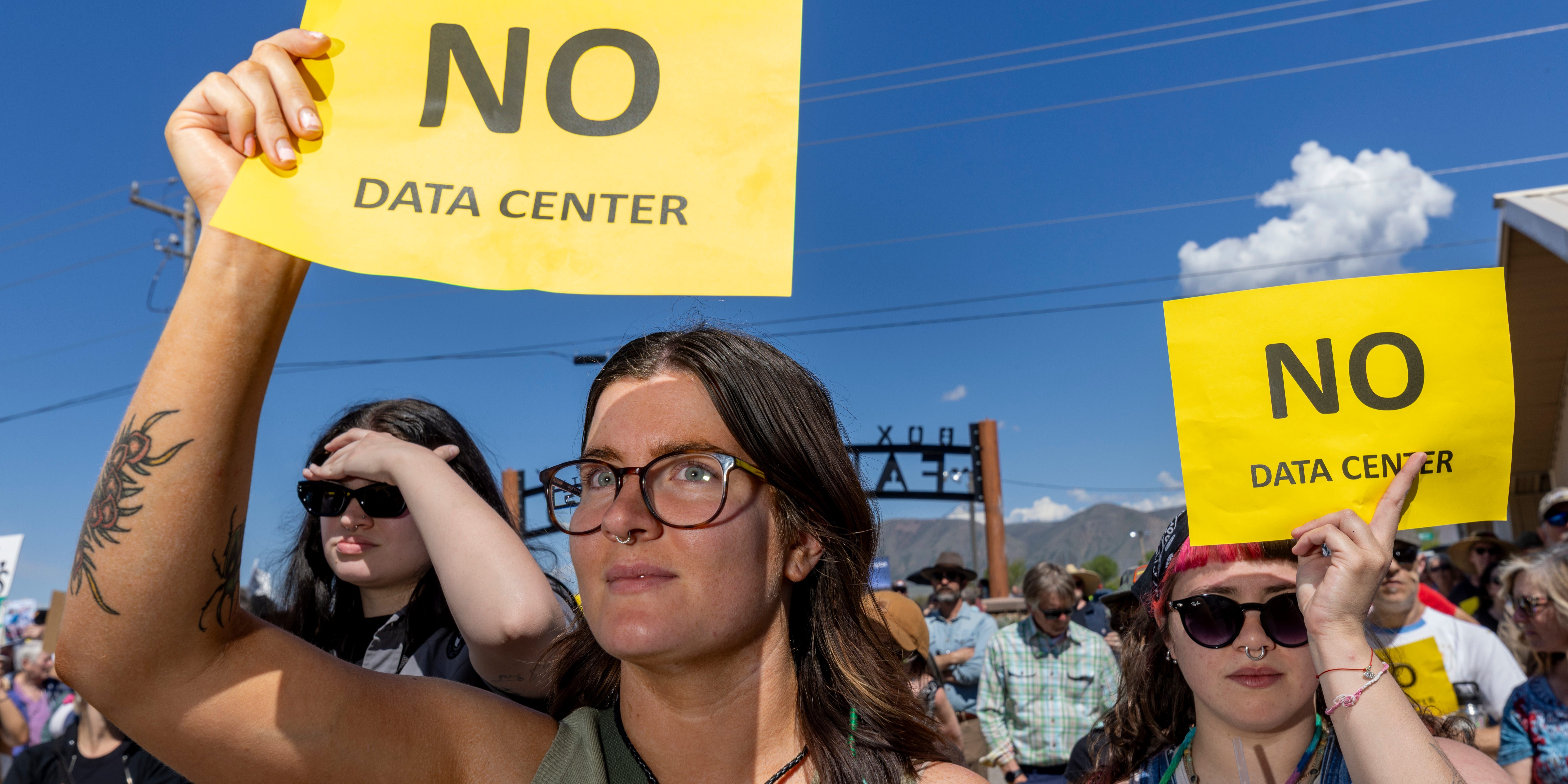
In numerous locales, community resistance has escalated beyond town-hall debates. There are reports of political shifts, with city councils backing data center projects facing electoral defeat. Some municipalities have implemented moratoriums on construction, and instances of more extreme confrontations targeting AI companies and their personnel are reportedly increasing.
Background: The Accelerating Demand for Compute Power
The surge in demand for AI data centers is directly linked to the rapid advancement and implementation of artificial intelligence technologies. These specialized facilities house the high-performance computing equipment necessary for the mass training of AI models. Tech companies are actively pursuing projects to acquire more computational power, leading to an accelerated pace of data center development across various regions. However, this push for increased compute capacity is now colliding directly with community apprehension and established local concerns, creating a significant societal friction point.
Read More: Company uses tiny particles to try and cool Earth