

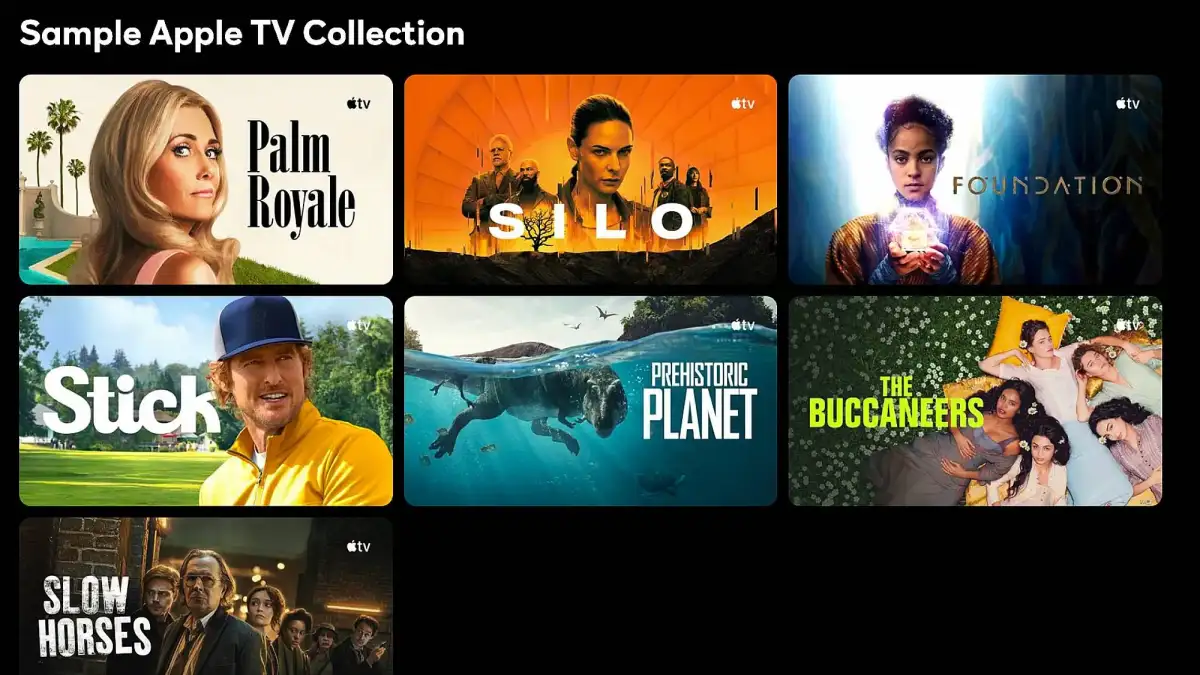
As of today, April 15, 2026, Amazon has integrated Apple TV+ and Peacock Premium Plus into a unified subscription offering accessible via the Prime Video storefront. The bundle is priced at $19.99 per month and is available exclusively to Amazon Prime members.
This development marks a structural shift where distribution platforms—specifically Amazon—are positioning themselves as the primary "streaming layer" rather than mere service providers. By aggregating these services, the companies aim to reduce customer acquisition friction while maintaining content investment without the immediate need for direct library mergers.
Market Realignment
The strategy addresses the rising cost of standalone subscriptions and the complexity of managing disparate accounts. While individual monthly rates for these services total approximately $29.98 when purchased separately, the bundled price represents a significant reduction for the consumer.
Consolidated Billing: Subscribers manage a single payment through their existing Amazon account.
Unified Interface: Content from all three services is accessible within the Prime Video ecosystem, minimizing the need to switch between independent applications.
Limited Duration: Current reports frame this as a time-sensitive offering, suggesting a testing phase to gauge user appetite for deeper aggregation.
The Aggregator Shift
For years, streaming platforms pursued an exclusive-content-first model, a strategy that escalated acquisition costs to unsustainable levels. This recent move signals a pivot toward convenience and bundling as a defensive mechanism against subscriber fatigue.
Read More: Chrome mimeHandler API lets extensions handle file types
| Service Model | Competitive Focus |
|---|---|
| Traditional (2020-2025) | Exclusive libraries / Content volume |
| Emerging (2026) | Aggregation / User experience / Simplified billing |
Industry Context
This collaboration builds upon prior efforts by Apple and NBCUniversal to link their services, which began as a smaller, limited integration in late 2025. By moving this partnership onto the Amazon infrastructure, the involved companies are utilizing the retailer’s established user base to bypass the saturation barriers often found in independent app distribution.
The shift preserves the independence of each platform's creative library while treating the subscription itself as a commodity to be managed by a third-party gateway. Analysts observe that this preserves capital for content creators while offloading the burden of discovery and maintenance onto the aggregation storefront.






:max_bytes(150000):strip_icc():focal(799x0:801x2)/nyc-sky-taylor-swift-travis-kelce-wedding-070326-2dc0d912004b400eac2c8c8b5adeff2a.jpg)