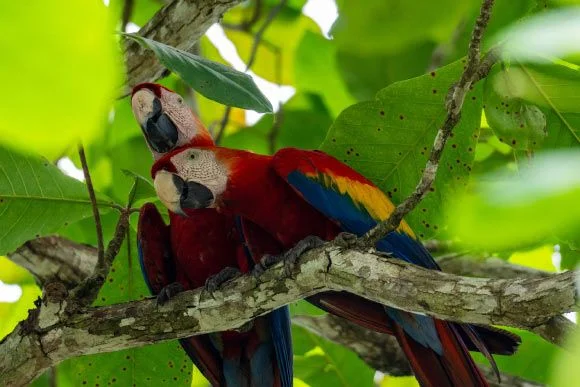
Genomic analysis of parrot feathers unearthed at Pachacamac, Peru, reveals that vibrant Amazonian macaws were transported alive across the formidable Andes mountain range centuries prior to the rise of the Inca Empire. This sophisticated, long-distance trade network connected lowland rainforests with arid coastal communities, indicating a level of inter-regional exchange far earlier than previously understood. The birds, specifically the scarlet macaw, blue-and-yellow macaw, red-and-green macaw, and mealy Amazon, are native to humid rainforests hundreds of kilometers from the Pacific coast and could not naturally traverse the perilous high-altitude terrain.
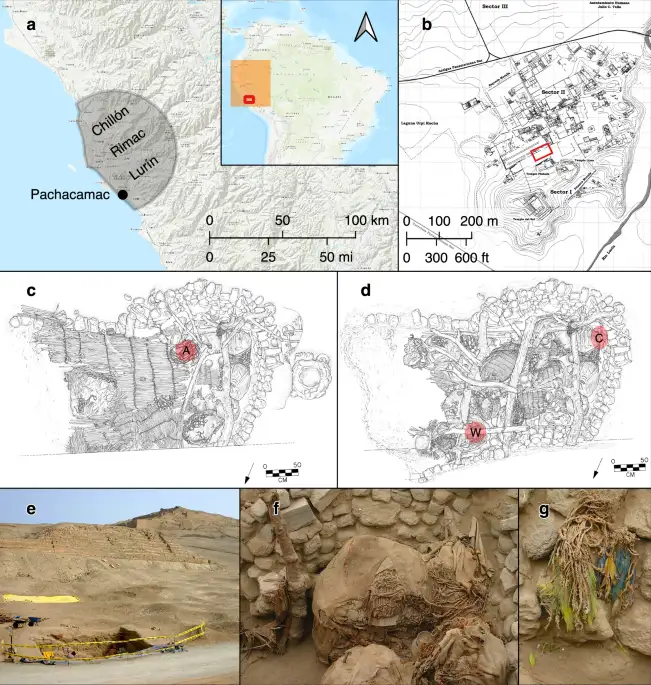
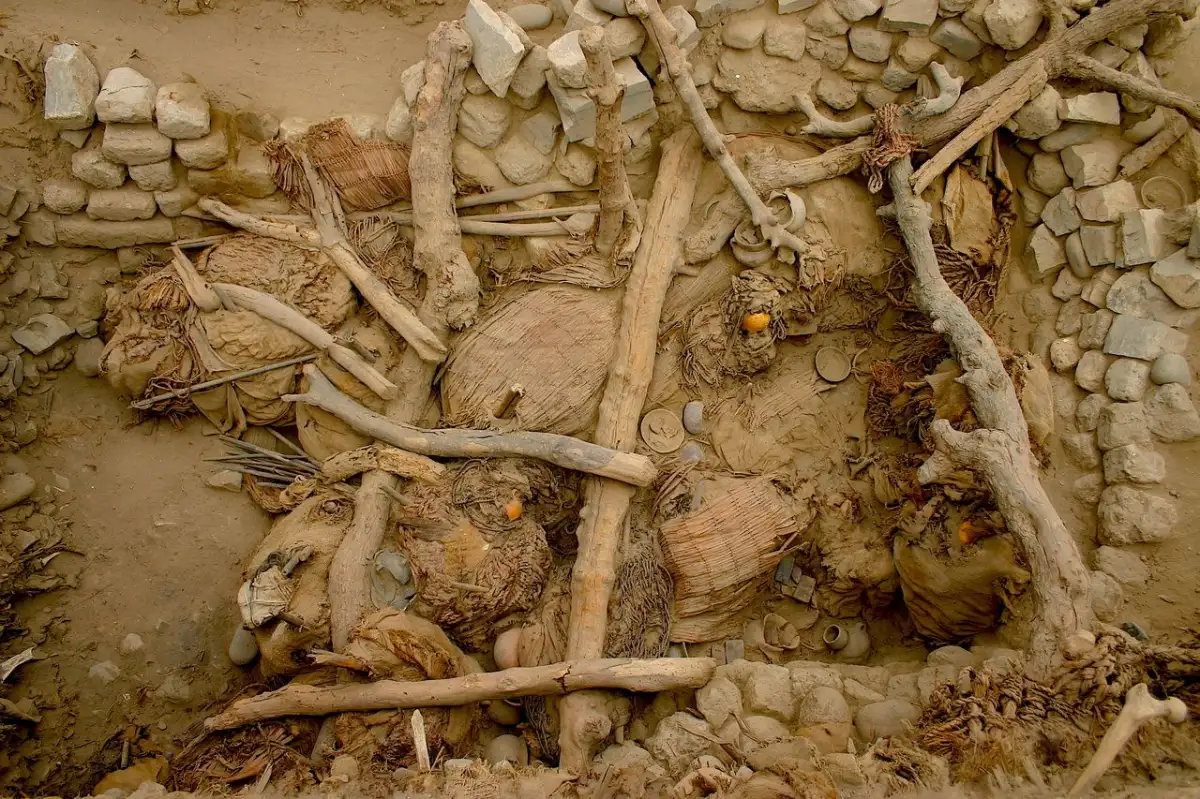
The research indicates that these birds were captured in the wild and, despite the challenging journey over steep passes and plateaus, were kept alive on the coast long enough for their feathers to regrow in the new environment. This suggests not merely the trade of plucked feathers, but the significant logistical undertaking of transporting live animals. The feathers themselves, found in what is described as an "exceptionally dry tomb" at Pachacamac, a major religious center of Andean civilization, were prized for their intense colors and held deep cultural significance. They were likely used in rituals and for high-status burials, underscoring their value as luxury items and symbols of power among pre-Hispanic societies.
Read More: St. Augustine's ideas on justice help explain US politics

The discovery challenges previous assumptions about ancient trade routes, which often posited a simpler "down-the-line" exchange of feathers. The logistical demands of moving live parrots highlight a more complex and organized system of animal transportation. Landscape modeling has further aided in identifying potential overland and river routes that may have been utilized for this trans-Andean traffic.
Pre-Inca Exchange Networks
Evidence points to a thriving network that linked the Amazonian forests with communities across the Andes and the Pacific coast. The presence of feathers from species naturally found far to the east of the Andes mountains at a coastal Peruvian religious site is the cornerstone of this finding. The sheer effort involved in transporting live parrots over such difficult terrain—including high mountain passes and steep plateaus—points to a substantial value placed on these birds and their vibrant plumage.
Read More: 5,900-Year-Old Child Skull Found in Norway Cave
Cultural Significance and Ritual Use
The vibrant feathers of these Amazonian parrots were not merely decorative; they were integral to the cultural and spiritual life of pre-Inca societies. Used in ritualistic practices and interred with individuals of high status, the feathers served as potent symbols of power and prestige. Their inclusion in burial assemblages, such as those found in the Pachacamac necropolis, further illustrates their importance in funerary contexts and the afterlife beliefs of these ancient peoples.
Genetic and Isotopic Analysis
The scientific understanding of this ancient trade stems from genomic analysis of the parrot feathers. This process identified at least four distinct Amazonian species. Further analysis of carbon and nitrogen isotopes within the feathers has also provided clues about the birds' diets, potentially indicating their origin and the duration of their stay in different environments. The high genetic diversity found in the feathers is often interpreted as a sign of wild-caught birds rather than those bred in captivity, reinforcing the idea of active capture and transport.
Read More: The Plot Against America Miniseries Discussed in April 2026
Historical Context
For decades, researchers had assumed that ancient trade networks primarily involved the exchange of plucked feathers, which are easier to transport than live animals. The findings related to the live parrot trade necessitate a revision of how economic and social connections are understood in pre-Inca South America. This sophisticated system predates the expansion of the Inca Empire, suggesting that complex long-distance exchange networks were well-established much earlier in the region's history.