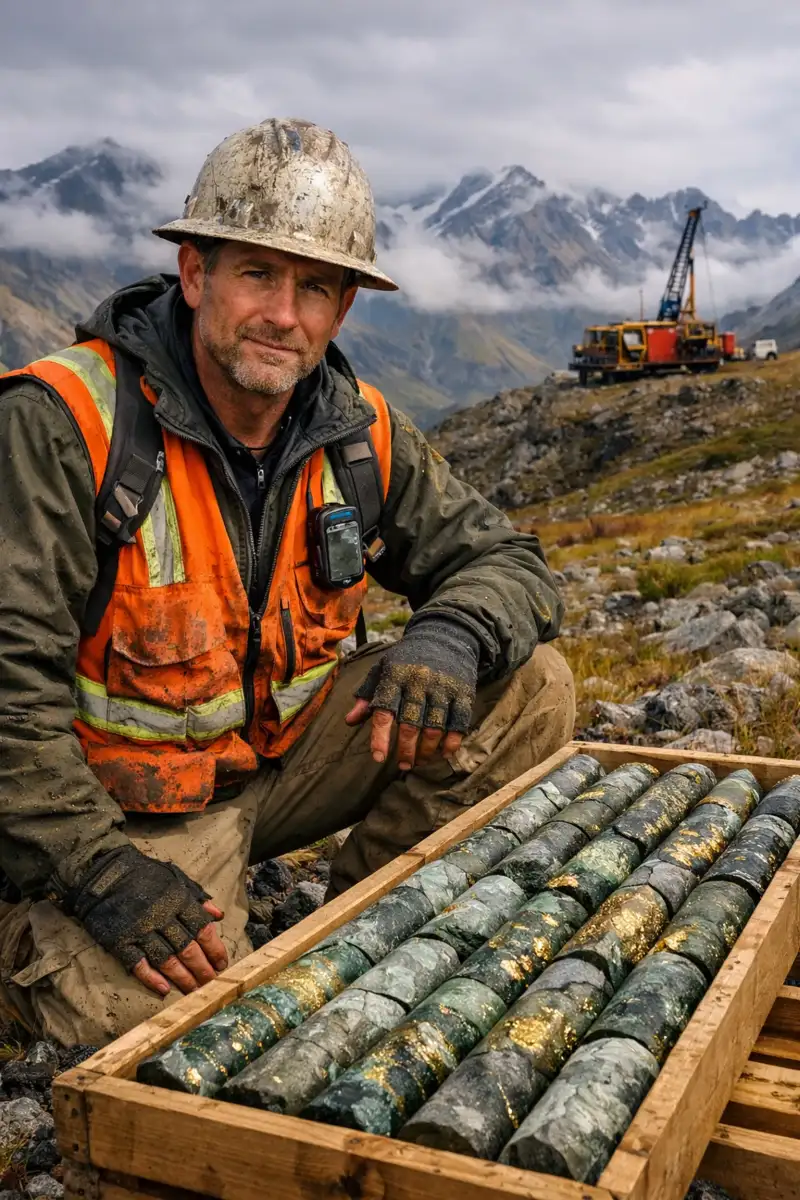
The value of mining operations in Alaska has surged to an all-time high in 2025, driven primarily by elevated prices for gold and silver. This boom is also seeing increased attention from the U.S. Pentagon for critical minerals like antimony, signaling a shift towards domestic supply chains.
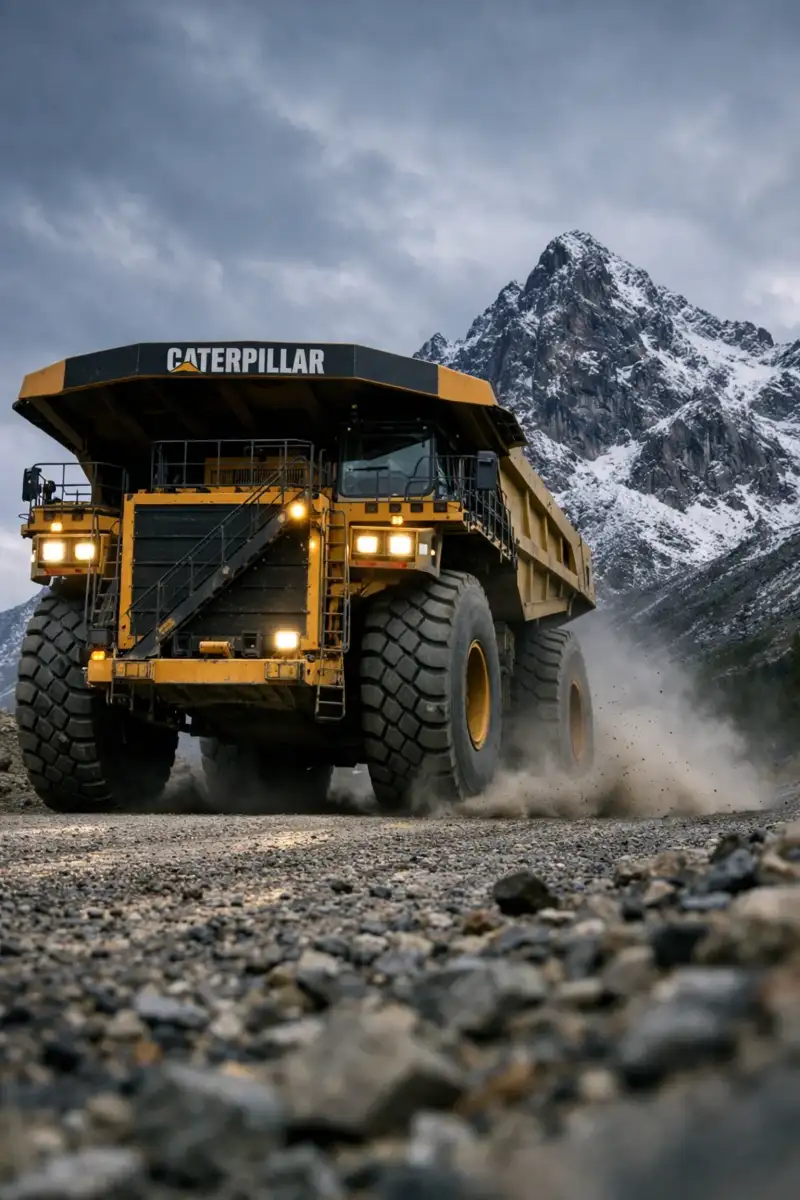
Emerging Projects Fueling Growth
Several key projects are poised to significantly alter Alaska's mining landscape.
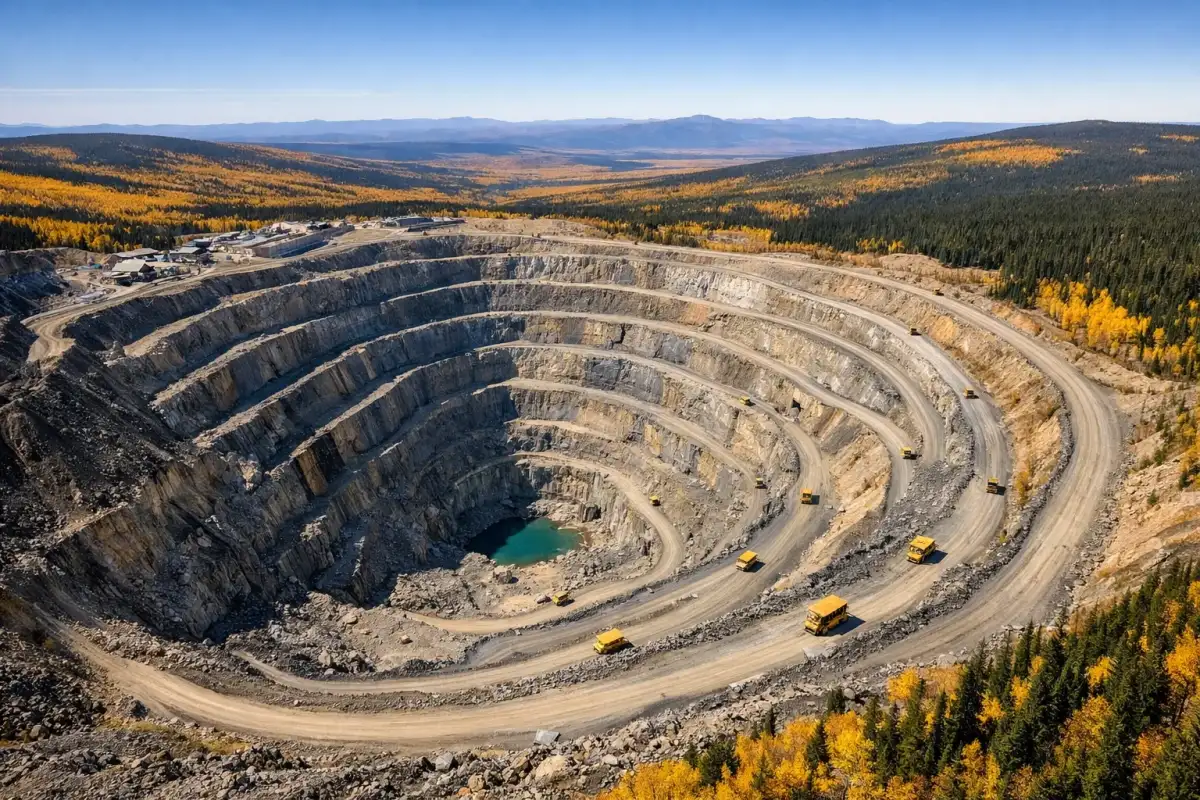
The Donlin Gold project in Southwest Alaska has the potential to virtually double the state's gold output.
The Arctic mine project, located in the Ambler Mining District, is a high-grade deposit containing copper, zinc, lead, gold, and silver.
In Southeast Alaska, a mine produced 59,349 ounces of gold in 2025, alongside substantial byproducts of zinc, lead, and copper which offset the costs associated with silver extraction.
Northern Star aims to boost its Pogo mine's annual gold production to 300,000 ounces.
Critical Minerals and Pentagon Interest
Beyond precious metals, Alaska is becoming a focal point for the U.S. government's pursuit of self-sufficiency in critical minerals.
Graphite Creek has received federal support and streamlined permitting under the FAST-41 program, underscoring an effort to reduce U.S. dependence on foreign graphite sources.
The Pentagon has awarded Alaska Range Resources (ARR), a subsidiary of Nova Minerals, $43.4 million to produce military-grade antimony trisulfide within the state. This initiative leverages Nova's Estelle project for antimony extraction and refinement, positioning Alaska as a domestic source for this strategic mineral.
Copper as a Future Driver
While gold prices are providing a significant boost, analysts point to copper as a key component for longer-term expansion. The convergence of high commodity prices and a focus on copper-gold porphyry systems highlights this trend. The Whistler and Pebble projects are noted as significant copper-gold deposits.

Broader Economic Impact
The current mining climate is beneficial for a range of entities, from large corporations like Kinross Gold Corp. to smaller operators and local businesses across the state. Leaders in the industry express optimism about the present conditions, while also acknowledging that sustained future growth will depend on bringing new mines into production rather than solely on market prices.
Read More: FireFly Metals Finds Big Copper-Gold Near Green Bay, Canada
BACKGROUND
Alaska's mining sector has historically been a significant contributor to the state's economy. The vast geological resources of the region present opportunities for a diverse range of mineral extraction. Recent geopolitical shifts and an increased focus on supply chain security have amplified the strategic importance of domestic mineral production, particularly for critical and strategic metals. This has led to greater federal attention and investment in projects within the state. The development of infrastructure, such as the Ambler Mining Road, is seen as a facilitator for accessing new resource areas.
Read More: Goldman Sachs predicts 15 million US jobs lost to AI by 2036