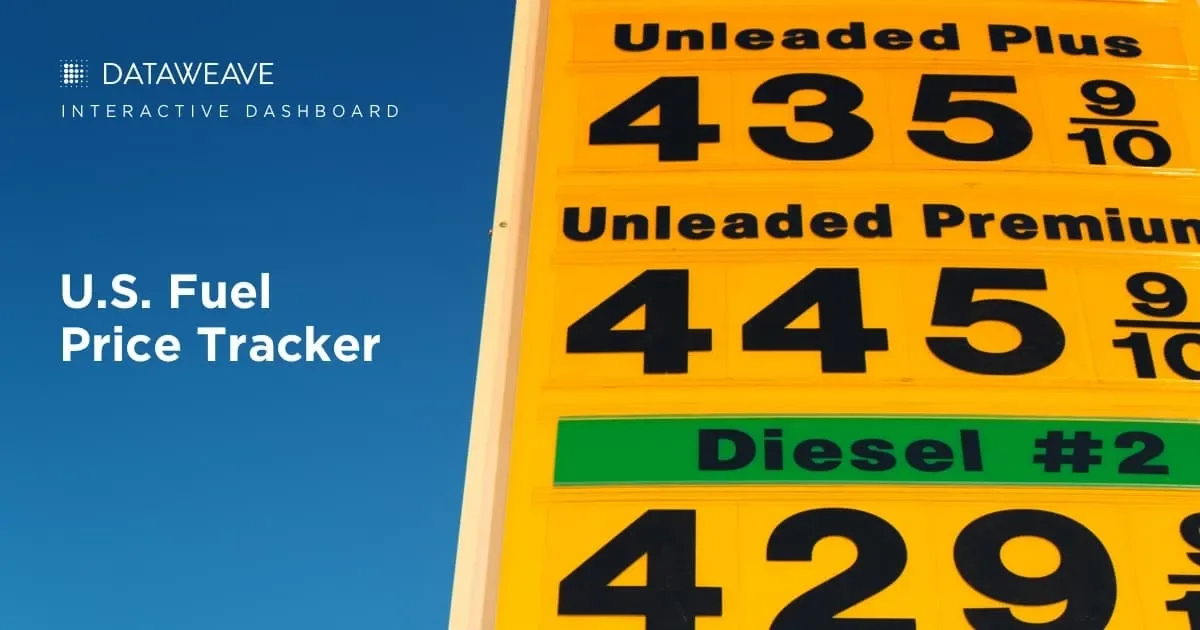
The cost of fuel remains a significant point of contention for American consumers, with stark disparities emerging between states and even counties. Recent data, particularly from early April 2026, shows a national average for a gallon of regular gas hovering around $4.52. However, this figure masks a much wider range, with prices in some areas dipping below $4 and soaring past $6 in others.
The widening gap in fuel costs is directly linked to geopolitical events, specifically the escalation of conflict following U.S.-Israeli actions against Iran beginning in February 2026. Developments in this situation have a discernible impact on global oil prices, which in turn dictate gasoline costs nationwide.

California Leads in High Costs, Plains States Show Lower End
California drivers consistently face the nation's highest prices, with average costs for regular unleaded well above the national rate. In contrast, states like Oklahoma and Kansas typically register prices significantly below the national average.
Read More: Goldman Sachs predicts 15 million US jobs lost to AI by 2036

Here's a snapshot of the price spread:
| State | Average Price (approx.) | Notes |
|---|---|---|
| California | $6.158 | Highest observed average |
| Washington | $5.762 | Significantly high |
| Hawaii | $5.650 | |
| Alaska | $5.264 | |
| Nevada | $5.240 | |
| Oregon | $5.230 | |
| Illinois | $4.970 | |
| Arizona | $4.811 | |
| Oklahoma | $3.946 | Lowest observed average |
| Mississippi | $3.984 | Near the lowest observed average |
| Arkansas | $3.998 | |
| Kansas | $4.081 |
The data indicates a trend where states on the West Coast and some Northeastern states tend to experience higher prices, while those in the central United States, particularly the Plains states, offer more affordable options.
County-Level Variations Add Another Layer
Beyond state-level averages, significant price differences also exist at the county level. Areas like Swisher County in Texas, Fisher County in Texas, and Wallace County in Kansas have been identified as having particularly low prices. Conversely, some states, including Colorado and Washington, show notably wide price fluctuations between their counties. This granular variation suggests that local supply, demand, and logistical factors play a crucial role in the final price consumers pay at the pump.
Tools for Navigating the Market
Consumers are increasingly turning to various digital tools to monitor and manage these fluctuating costs. Gas price tracking applications and websites provide real-time data and comparisons, helping individuals plan their travel and purchasing decisions. These resources often highlight that local taxes, refinery accessibility, and supply chain disruptions are key drivers behind the observed price variations. Some platforms also integrate rewards programs, offering an additional avenue for savings.
Read More: US 250th Anniversary on July 7, 2026, sees 20% not celebrating
Background: A Volatile Landscape
The current fuel price situation is not an isolated event but part of a broader pattern of volatility in the energy market. Historical data, such as maps from late 2025, indicate that while prices fluctuate, certain regions have consistently maintained higher or lower price points. The ongoing global political climate, combined with domestic supply chain intricacies, creates a complex and often unpredictable environment for fuel pricing. This persistent uncertainty influences consumer behavior, leading to increased interest in fuel-efficient vehicles and alternative transportation methods.