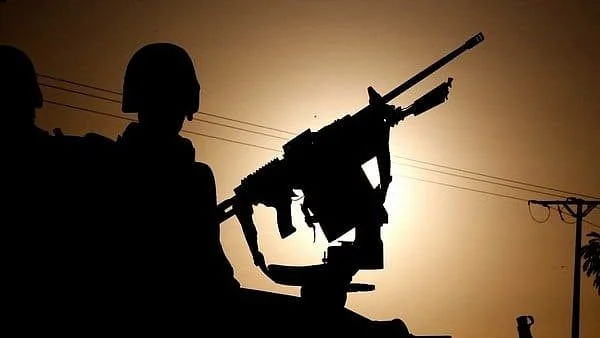
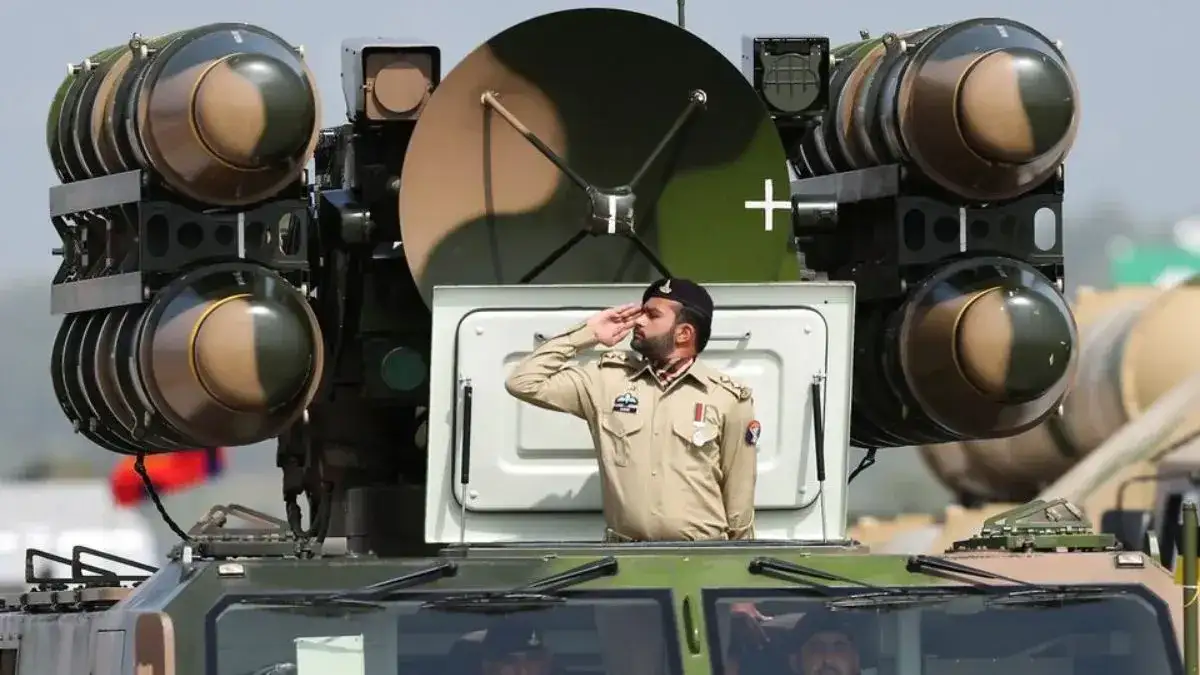
Islamabad – Reports indicate a planned augmentation in Pakistan's defence expenditure for the 2026-27 fiscal year, slated to rise by an estimated PKR 100 billion. This proposed hike, detailed in an IMF staff report, positions defence spending at PKR 2.665 trillion, a climb from the current year's PKR 2.564 trillion.
The International Monetary Fund has projected a substantial increase in Pakistan's total federal revenues for the same period, anticipating PKR 17.144 trillion. This represents an uptick of over PKR 2 trillion compared to the present fiscal year, marking a 13.5% rise. An IMF staff mission is presently in the country, working to finalize budget proposals before they are submitted to the cabinet and parliament in early July.
Financial Projections and Vulnerability
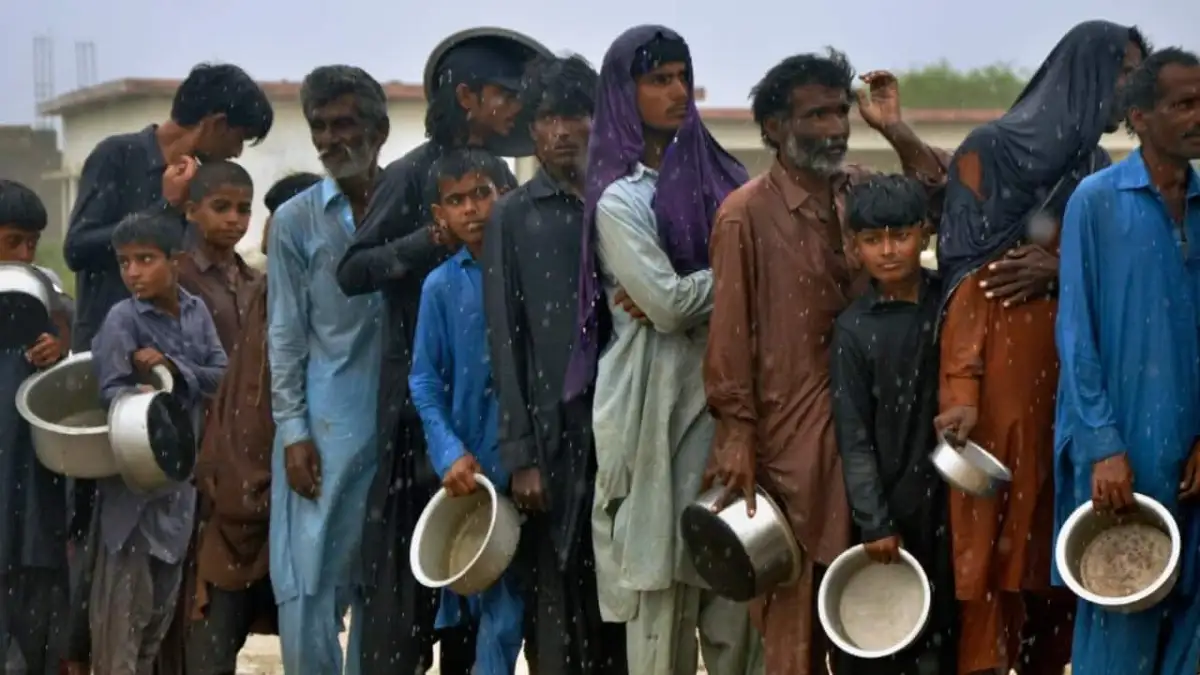
The IMF's projections suggest a revenue increase of over PKR 2 trillion for the 2026-27 fiscal year, alongside the proposed hike in defence spending. Authorities, however, maintain that a significant portion of the population remains economically fragile. Apart from those in extreme poverty receiving social income support, roughly 40% of the population is deemed economically vulnerable.
Read More: Goldman Sachs predicts 15 million US jobs lost to AI by 2036

Context of Reforms
The proposed budget adjustments are reportedly part of a broader IMF-backed reform program. This initiative follows the completion of the third review of the $7 billion Extended Fund Facility (EFF) and the second review of the $1.4 billion Resilience and Sustainability Facility (RSF).

The economic framework appears to be shaped by these ongoing financial engagements. The context for the defence spending increase has been framed, at least in part, by regional security considerations.
Background:
Discussions surrounding Pakistan's budget have frequently intersected with the nation's financial relationship with the IMF. Previous reports from June 2025, including commentary from sources like Moneycontrol and NDTV, touched upon defence allocations within the context of budget constraints and IMF conditionalities. One opinion piece highlighted a perceived "irony" in a substantial defence budget increase being facilitated under IMF oversight, linking it to stated security concerns and questioning alignment with the IMF's broader objectives of fiscal prudence. These earlier discussions underscore a recurring tension between national security spending priorities and the fiscal discipline often advocated by international financial institutions.
Read More: 40 Die in Quetta to Peshawar Bus Crash in Balochistan on April 3 2026