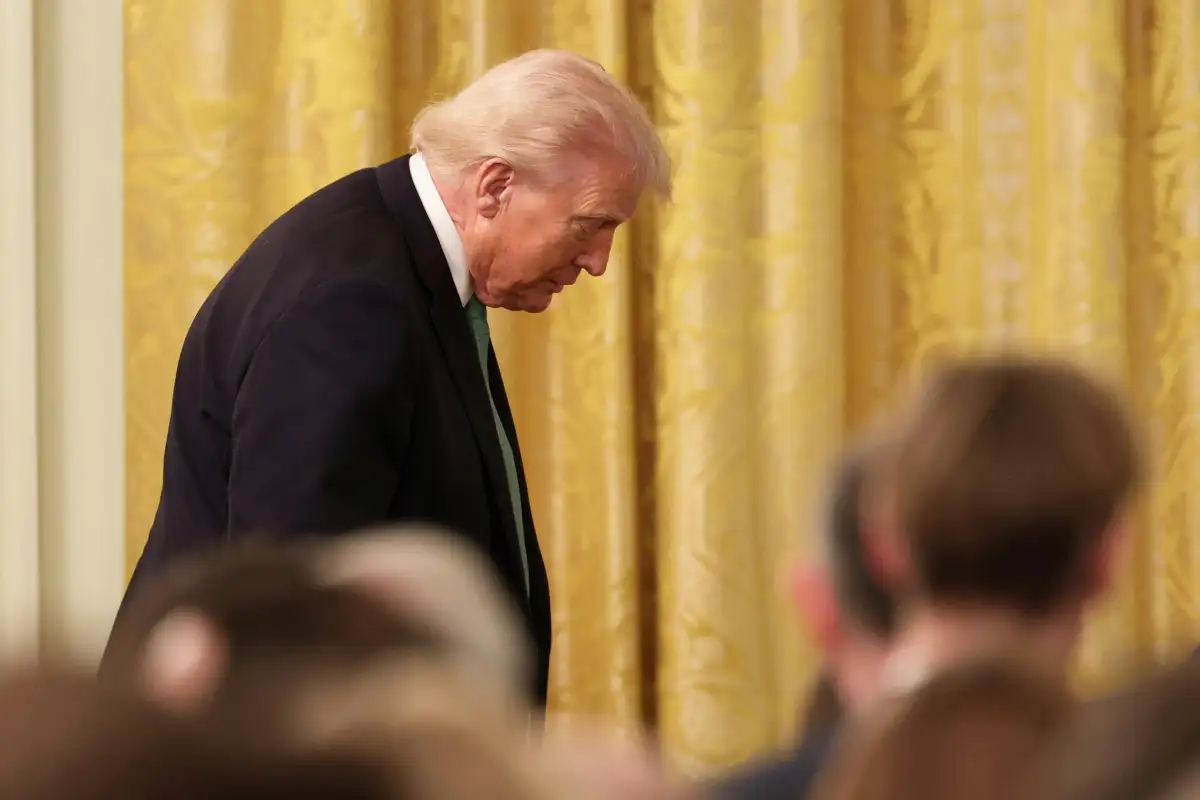
Discontent is bubbling amongst some of Donald Trump's staunchest supporters, particularly in conservative strongholds, as the economic fallout from the U.S.-Israeli war in Iran manifests in sharply higher fuel prices. This sentiment is voiced by voters who, despite their enduring loyalty to the Republican party, find themselves increasingly critical of the administration's handling of the conflict and its impact on their daily lives and livelihoods.

Economic Strain Hits Loyalists
In areas like northeastern Colorado and across Pennsylvania, the financial pinch of elevated gas prices is undeniable. Reports indicate that these increases, directly linked to the ongoing conflict in Iran – officially dubbed 'Operation Epic Fury' – are severely affecting industries and individuals, even those who have consistently voted for Trump.

A three-time Trump voter in Colorado, while maintaining his preference for conservative leadership, described the president's approach as "naive." His primary concern is the immediate economic impact on his business operations, which are being hard-hit by the high energy costs.
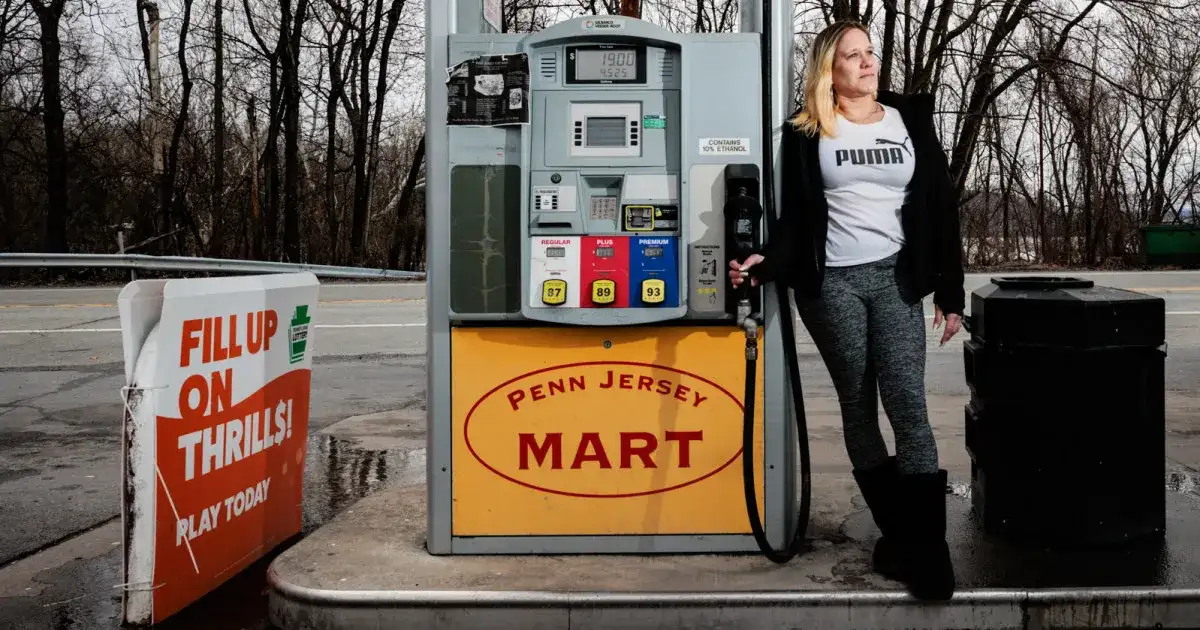
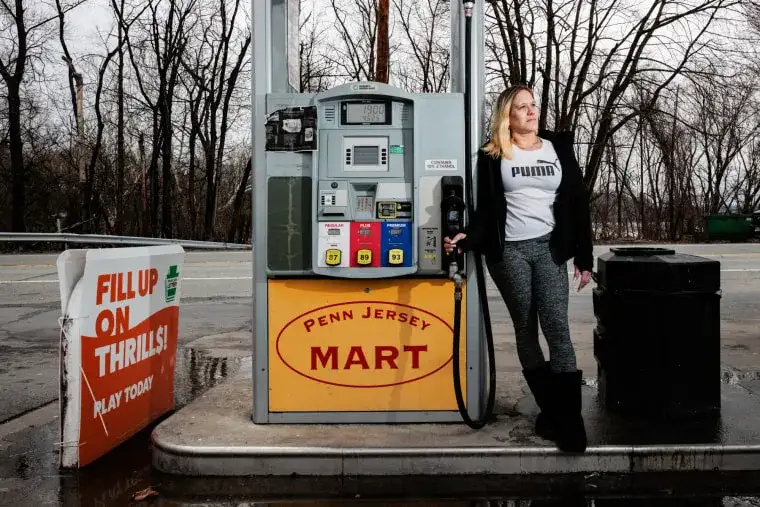
Pennsylvania voters, while many initially supported the war, are expressing frustration. One woman, a voter across multiple Trump elections, publicly lambasted the president, stating she felt like "an idiot" for her past support.
Retired farmers on fixed incomes, like Roy Strohecker in Pennsylvania, are experiencing disappointment as inflation continues to outpace their earnings, a situation they associate with the administration's policies since his vote for Trump.
Divided Loyalties and Rising Prices
Despite the evident economic hardship, not all supporters are turning against the president. Some voters indicate a willingness to tolerate higher gas prices, citing belief in the war's objectives or trust in Trump's leadership. This highlights a complex interplay between geopolitical decisions, economic consequences, and deeply held political affiliations.
Read More: Taiwan Holds Nantou County Drills to Prepare for State Collapse
White House Dismissal of Concerns
President Trump himself has downplayed the severity of the price increases. He remarked that gas prices "are not very high" and are lower than anticipated given the circumstances of the war, which he stated aims to prevent Iran from acquiring nuclear weapons. This assertion stands in contrast to poll data suggesting that a majority of U.S. voters hold him responsible for the surge at the pump.
Background: The Iran Conflict
The U.S.-Israeli war against Iran, initiated in February, has had immediate and noticeable effects on global energy markets. Reports from March indicate that oil prices have risen concurrently with the intensification of the conflict. The administration has offered reassurances, with Trump suggesting the operation is "very far ahead of schedule." However, the economic repercussions, particularly at the gas station, are increasingly becoming a focal point for voter sentiment.
Read More: Goldman Sachs predicts 15 million US jobs lost to AI by 2036