MASSIVE WATER BODIES BLOOM AS GLACIERS RECEDE
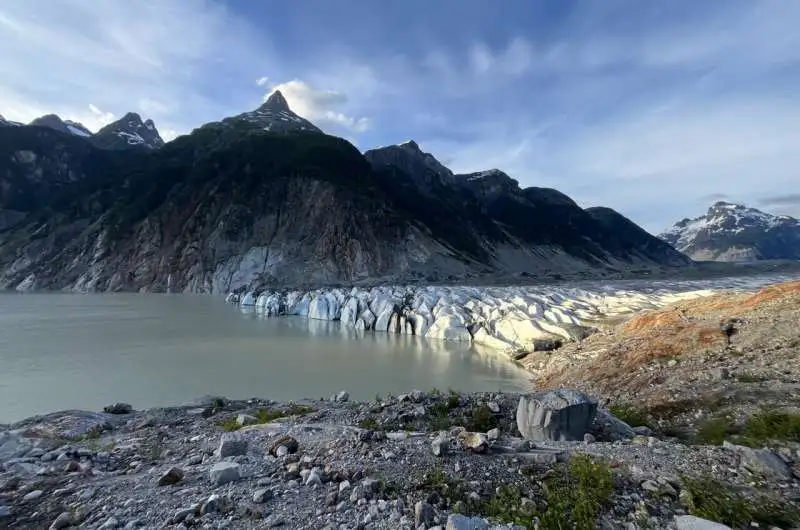
The number and size of glacial lakes in Alaska are undergoing a dramatic surge, a direct consequence of a warming climate and retreating ice. These expanding bodies of water, forming in colossal pits carved by ancient glaciers, present a complex picture of landscape transformation. Researchers from the Proceedings of the National Academy of Sciences report that these glacial lakes could potentially quadruple in size in the coming years and decades. The findings offer a stark illustration of how climate shifts are physically reshaping environments.
GLACIER CARVING AND MELTWATER ACCUMULATION
The expansion is fueled by the natural process of glaciers carving out deep, bowl-shaped depressions in the bedrock, known as 'overdeepenings'. As glaciers, weighed down by immense mass and gravity, slowly slide downhill, they act as powerful excavators. When these ice formations retreat due to warming temperatures, the vast cavities they leave behind rapidly fill with meltwater.
Read More: Amazon Land Use Changes Cause Disease Clusters in Brazil
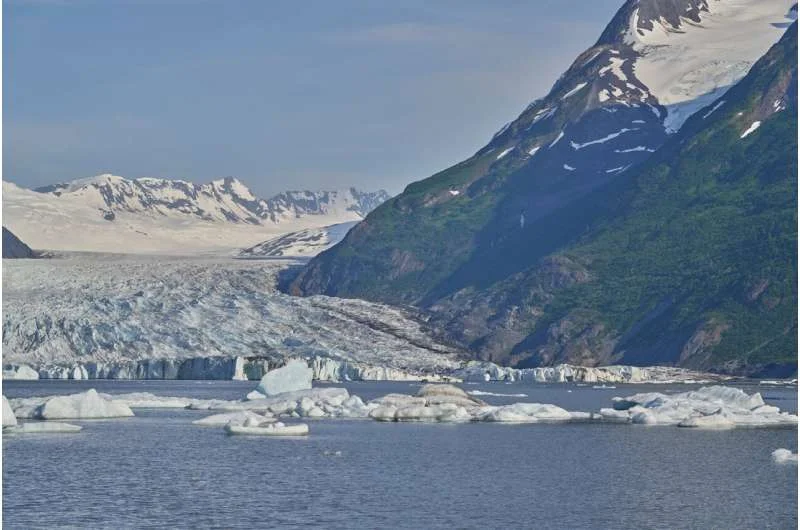
"Our findings show that ice-marginal lake growth was closely correlated with glacier retreat through glacier-bed overdeepenings," stated a report in the journal. This direct link between ice movement, landscape alteration, and water accumulation provides a straightforward explanation for observed changes and, crucially, offers a means to pinpoint future areas of rapid transformation. The research also examined the speed of ice near the glacial front to understand how the growth of these lakes influences glacier dynamics.
IMPLICATIONS FOR THE FUTURE LANDSCAPE
The correlation between lake expansion and glacier retreat is not merely an academic observation; it's a signal of ongoing environmental flux. The capacity to identify lakes and glaciers poised for significant change allows for a more nuanced understanding of future landscape evolution. This predictive capability, however, also implicitly points to potential instabilities and hazards associated with these growing water bodies, though the report focuses on the physical mechanics of their formation and expansion.
Read More: Matt Brown's Death Ruled Accidental Drowning in Alaskan River
Background: Glaciers, massive bodies of ice formed over centuries, have long sculpted the Alaskan terrain. Their slow, inexorable movement grinds rock and carves valleys. The formation of glacial lakes is a natural phenomenon, but the rate of expansion observed is directly tied to the accelerated melting driven by contemporary climate change. The ‘overdeepenings’ are geological scars left by the ice’s passage, now becoming reservoirs for its meltwater.

%20(1)%20(1).jpg)