
Global food prices saw a notable increase in March, marking the second consecutive month of escalation, a trend largely attributed to heightened energy costs stemming from ongoing conflict in West Asia. The United Nations' Food and Agriculture Organization (FAO) reported that its Food Price Index, which tracks a basket of internationally traded food commodities, averaged 128.5 points in March. This figure represents a 2.4 percent jump from February and stands 1.0 percent higher than its level a year prior.
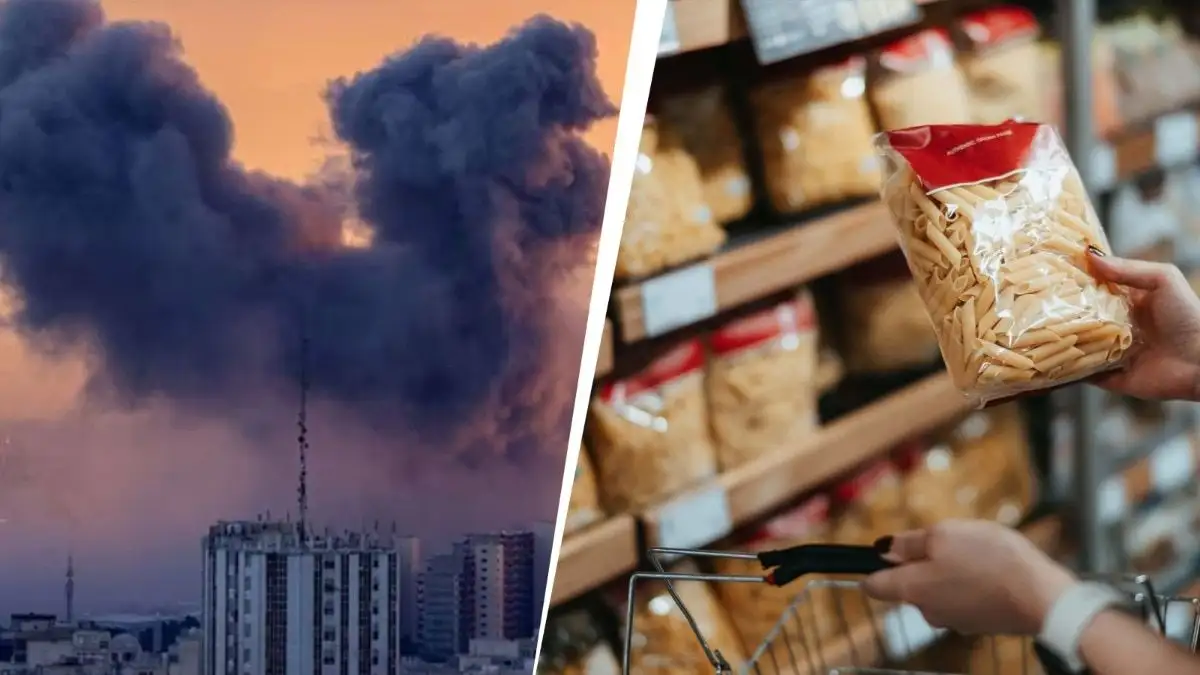
The surge in prices is intrinsically linked to rising energy expenditures, which ripple through the entire food supply chain. Higher fuel costs translate directly to increased expenses for transporting, processing, and even cooking food. The conflict has also disrupted vital trade routes, with particular concern raised about the potential impact of prolonged disruptions in the Strait of Hormuz, a critical artery for oil and fertilizer shipments.
Read More: Paella Recipe Updates: Bomba Rice and No Stir Rule

While cereal prices have been somewhat buffered by ample global supply, other sectors experienced significant upticks. Vegetable oils, for instance, saw the sharpest rise, with prices climbing 5.1 percent in March, driven by soaring palm oil costs. Dairy prices rose by 1.2 percent, and meat prices by 1.0 percent. Maize quotations also saw a slight increase, influenced by concerns over the affordability of fertilizers and indirect support from potential increased ethanol demand linked to rising energy prices.
Farmer's Dilemma: Input Costs and Future Yields
The implications for agricultural producers are stark. If the current conflict continues to strain supply chains and inflate input costs, farmers face difficult choices. Projections suggest that if the crisis extends beyond 40 days, producers may be forced to reduce the quantity of fertilizers and other inputs used, plant less acreage, or shift to crops requiring less intensive fertilization. Such decisions, the FAO warns, could lead to smaller and more costly harvests in the future, impacting food availability and prices for the remainder of the year and into the next.
Read More: Why Global Banks Are Making More Money In May 2026
Broader Economic Ripples
Beyond the direct impact on food commodities, the escalating energy costs and resulting price hikes are pressuring the fast-moving consumer goods (FMCG) sector. Companies are grappling with increased raw material, packaging, and freight expenses. This squeeze on profitability may lead to companies passing on costs to consumers through marginal price increases or reductions in product quantity, which in turn could affect overall consumption patterns.
Background Context
The FAO Food Price Index monitors monthly fluctuations in the international prices of key food commodities. Its rise in March, following an earlier increase in February, signals a shift from a period of declining prices. The current situation underscores the interconnectedness of global energy markets and food security, highlighting the vulnerability of food systems to geopolitical instability. The uncertainty surrounding the duration of the West Asia conflict and the eventual reopening of critical shipping lanes remains a significant factor in forecasting future food price trends.
Read More: Habibi Grill on Cork's Northside Offers New Syrian Food
:max_bytes(150000):strip_icc()/image-460-7bdc9b0a055246f0b95bfb1b800773ec.jpg)