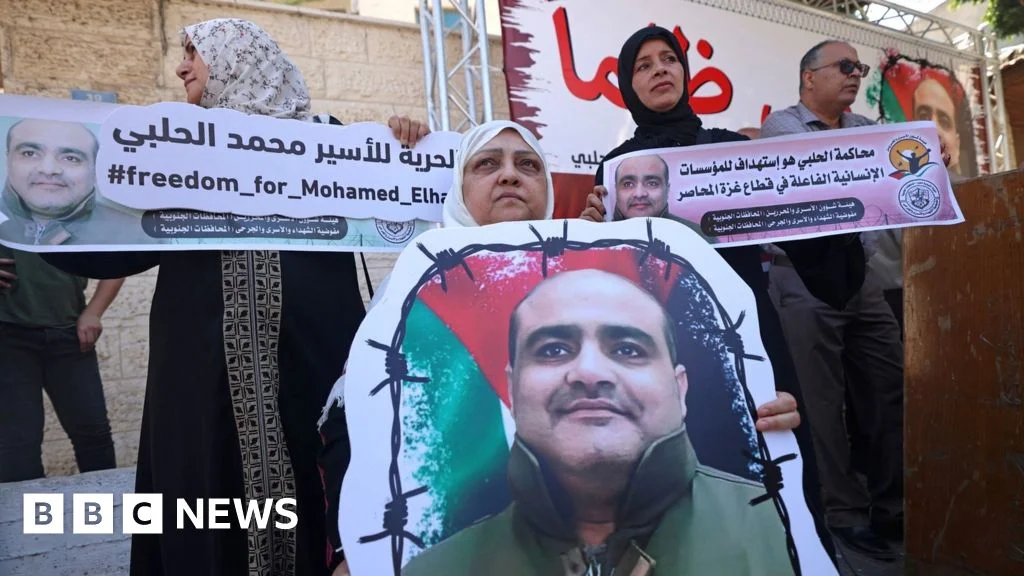
An aid worker accused of funneling millions to Hamas has claimed innocence, while newly surfaced documents suggest otherwise, creating a significant divergence in accounts. The case involves Mohammed el-Halabi, former Gaza director for the aid organization World Vision, who was convicted by an Israeli court. El-Halabi, who spent over eight years in detention before a prisoner exchange, maintains his innocence and claims he was a victim of a fabricated case. Conversely, declassified documents attributed to Hamas and analysis from watchdog groups present evidence of operational ties and efforts to obstruct his trial.
Timeline of Events
2010: Mohammed el-Halabi begins managing World Vision's Gaza operations.
August 2016: El-Halabi is arrested by Israeli authorities on suspicion of diverting funds to Hamas.
During Trial: World Vision and allied organizations publicly reject the allegations, stating their internal audits found no evidence of wrongdoing. They continued to fund el-Halabi's legal defense.
February 2022: An Israeli court sentences el-Halabi to 12 years in prison.
February 2023 (approx.): El-Halabi is released as part of a hostage and prisoner exchange.
Recent Weeks: Declassified Hamas documents are reported to have surfaced, alongside analyses from groups like NGO Monitor, claiming to confirm el-Halabi's ties to Hamas and the group's attempts to interfere with his trial.
Conflicting Narratives on El-Halabi's Allegations
The core of the dispute lies in the differing perspectives presented by Mohammed el-Halabi, World Vision, and Israeli authorities, now further complicated by the alleged Hamas documents.
Read More: Australian Families With Alleged IS Ties Sent Back to Syrian Camp
El-Halabi's Position: Mohammed el-Halabi asserts his innocence, stating that Israeli authorities fabricated evidence and prevented him from receiving a fair trial. He claims to have been willing to testify in court but was prevented from doing so. His defense team has maintained that crucial testimonies that could exonerate him were not properly reflected in court records.
World Vision's Stance: At the time of el-Halabi's arrest and throughout his trial, World Vision expressed shock and maintained that its internal and independent audits found no evidence of fund diversion. The organization continued to pay el-Halabi's legal fees, even after his conviction, stating they had not seen credible evidence supporting the charges. World Vision International's president stated an audit by a "leading global accounting firm" had not raised concerns.
Israeli Authorities' Claims: Israeli officials, including security services, stated that el-Halabi was under surveillance and had confessed to funneling significant portions of World Vision's Gaza funding to Hamas for fighters, arms, and fortifications. The court's verdict reflected these allegations, leading to his conviction.
The Role of Declassified Hamas Documents
Recently, declassified documents purportedly from Hamas have been presented as crucial evidence. These documents, reportedly retrieved from Hamas's Ministry of Interior and National Security, are interpreted by some as definitively linking el-Halabi to the group and detailing Hamas's efforts to obstruct his prosecution.
Read More: New Group Pledges Over $5 Billion to Rebuild Gaza

NGO Monitor's Analysis: Groups like NGO Monitor have analyzed these documents, asserting they confirm el-Halabi maintained operational ties with Hamas and that the group actively worked to thwart his prosecution. They suggest these admissions from Hamas invalidate previous claims made by World Vision and vindicate Israel's conviction.
Content of Documents: Reports indicate that these documents include internal Hamas communications referring to el-Halabi as a detainee and discussing their coordination with "relevant parties" to prevent his conviction. One such report from March 2020 allegedly details these efforts.
Internal Reporting and Whistleblower Accounts
The legal proceedings also involved internal reporting within World Vision and allegations of a whistleblower.

Accountant's Report: The Israeli court verdict referenced an accountant, Mohammed Mehdi, within World Vision who allegedly reported internally that el-Halabi was diverting funds to Hamas.
Hamas Interrogation: Reports suggest that Hamas counter-intelligence efforts included interrogating and surveilling World Vision employees, including a whistleblower, to gather information and potentially influence the trial. A March 2020 report is cited as concluding that Mohammed Khalil Mehdi was the source of information concerning el-Halabi.
International Funding and Scrutiny
The case has drawn attention from international bodies and governments, impacting funding for World Vision.
Read More: Indonesia Prepares Thousands of Soldiers for Gaza Peace Mission
US Funding: Senator Grassley has questioned World Vision regarding significant grants received from the U.S. Agency for International Development (USAID).
Australian Funding: The Australian government suspended funding to World Vision Australia for programs in Palestinian territories following el-Halabi's arrest, stating they would review any evidence presented.
Global Aid Landscape: World Vision is noted as a significant implementer of USAID grants, and the case has raised questions about oversight of international aid funds distributed through non-governmental organizations.
Expert Commentary on Trial Obstruction
Analysis of the situation highlights concerns regarding the integrity of the legal process, particularly regarding alleged interference by Hamas.
Gerald Steinberg, NGO Monitor: Professor Gerald Steinberg, founder of NGO Monitor, stated that the Hamas documents prove direct links to el-Halabi and the "intense effort made to obstruct his trial."
EU and UN Officials: It is noted that EU and UN officials had previously criticized aspects of Israel's judicial process during el-Halabi's trial.
Conclusion and Implications
The situation surrounding Mohammed el-Halabi and World Vision remains complex, marked by deeply entrenched opposing narratives. El-Halabi maintains his innocence, claiming a wrongful conviction, while Israeli authorities present a guilty verdict based on their investigation and subsequent court proceedings. The emergence of alleged declassified Hamas documents, interpreted by some as corroborating evidence of el-Halabi's ties and Hamas's interference, introduces a new layer to the dispute.
Read More: Iran May Change Nuclear Plan If US Lifts Sanctions
Conflicting Evidence: The central conflict is between el-Halabi's claims of a fabricated case and the evidence presented by Israel, including the court's verdict and now, purportedly, Hamas's own internal records.
Organizational Response: World Vision's consistent defense of el-Halabi and its stated findings from internal audits stand in stark contrast to the accusations and the judicial outcome.
Broader Impact: The case raises fundamental questions about the security of aid operations in conflict zones, the potential for diversion of funds, and the challenges of ensuring fair trials when allegations involve state security and non-state armed groups. The ongoing dispute over the authenticity and interpretation of the newly surfaced documents will likely continue to shape public and official perceptions.
*
Sources:
The Sydney Morning Herald: https://www.smh.com.au/politics/federal/world-vision-aid-worker-says-hamas-believed-lie-documents-are-fake-20260216-p5o2po.html (Article summarizes el-Halabi's claims of innocence and Israeli authorities' actions.)
Israel Today: https://www.israeltoday.co.il/read/declassified-hamas-memos-confirm-guilt-of-world-visions-gaza-director/ (Focuses on declassified memos confirming guilt and mentions World Vision's funding status.)
The Jewish Edition: https://thejewishedition.com/news/world/2026/02/13/declassified-hamas-documents-confirm-world-vision-gaza-directors-hamas-ties/ (Details Hamas documents confirming ties and operational coordination.)
NGO Monitor: https://ngo-monitor.org/reports/hamas-world-vision-operative-and-the-campaign-to-obstruct-his-trial/ (Provides analysis of Hamas documents, whistleblower accounts, and World Vision's inconsistent reports.)
Israel.com: https://israel.com/security/hamas-spied-on-world-vision-employees-to-disrupt-gaza-aid-directors-trial/ (Reports on Hamas spying on employees to disrupt the trial and mentions US funding scrutiny.)
The Media Line: https://themedialine.org/headlines/hamas-internal-documents-reveal-coordination-with-world-visions-el-halabi-and-efforts-to-obstruct-israeli-trial/ (Details Hamas internal documents, coordination with el-Halabi, and obstruction efforts.)
The Times of Israel: https://www.timesofisrael.com/charged-with-helping-hamas-a-gazan-aid-worker-says-hes-being-denied-a-fair-trial/ (Focuses on el-Halabi's claims of being denied a fair trial and mentions critical testimonies.)
SBS News: https://www.sbs.com.au/news/article/world-vision-shocked-and-mystified-as-israel-charges-gaza-employee-for-siphoning-millions-to-hamas/9mkdr6e24 (Covers Israel's charges, World Vision's reaction, and Australia's funding suspension.)
BBC News: https://www.bbc.com/news/world-middle-east-61808619 (Reports on the court finding el-Halabi guilty and World Vision's continued support for his legal fees.)
Read More: US Official Tells Hungary's Orban: Trump Wants You to Succeed