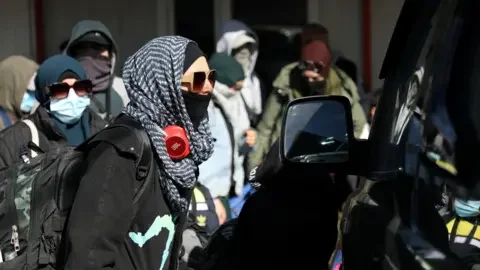
A group of 34 Australian women and children, alleged to have ties to Islamic State (IS) militants, were compelled to return to the Al-Roj camp in northeast Syria after departing the facility on a journey intended to lead them home. The families had been released from the camp with the expectation of traveling to Damascus and then flying to Australia. This event underscores the persistent challenges surrounding the repatriation of foreign nationals with alleged IS connections from Syrian detention facilities.
Context of the Repatriation Attempt
On Monday, 34 Australians, comprising women and children from 11 families, commenced their journey from the Al-Roj camp. This departure was reportedly facilitated by relatives who had traveled to Syria to assist in their repatriation. The planned route involved a transfer to Damascus, the Syrian capital, from where they were expected to travel to Australia. However, their progress was halted by Syrian authorities, forcing their return to the camp.
Read More: New Papers Suggest Aid Worker Sent Money to Hamas
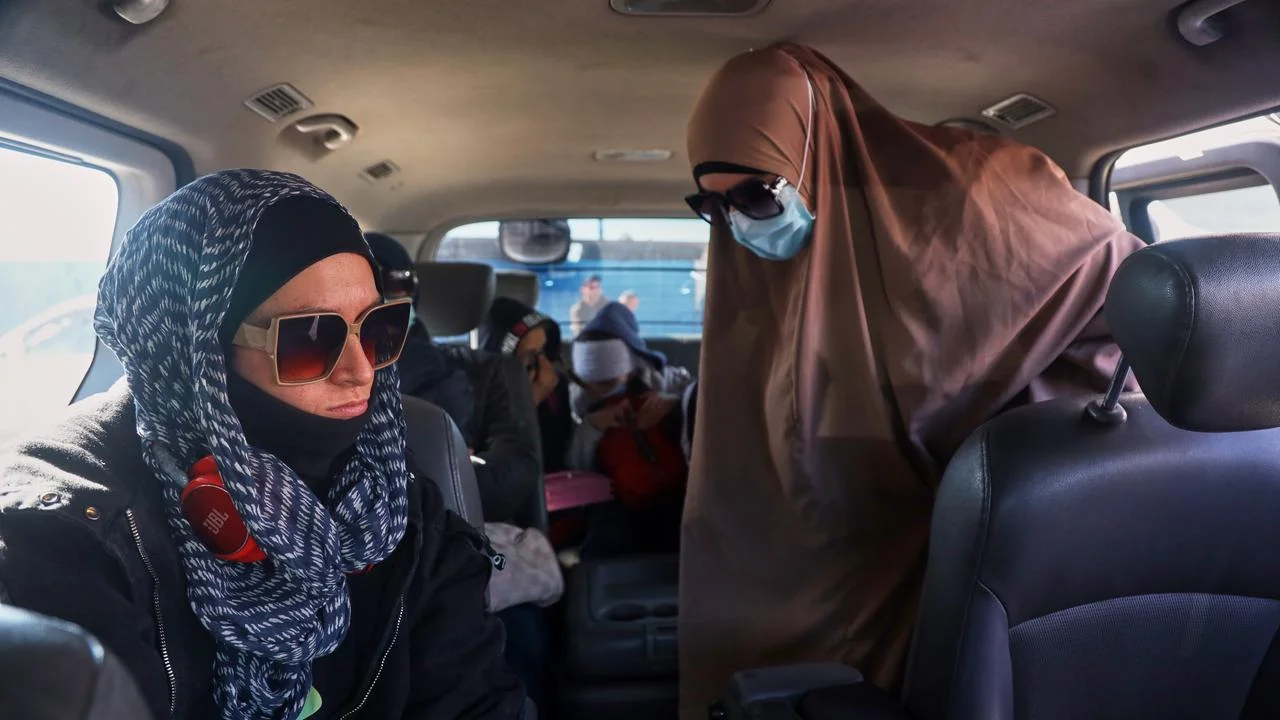
Camp: Al-Roj camp in northeast Syria.
Individuals Involved: 34 Australian women and children from 11 families.
Alleged Affiliation: Ties to Islamic State (IS) militants.
Intended Destination: Australia, via Damascus.
Facilitators: Relatives who traveled from Australia.
Halt Authority: Syrian government authorities.
Outcome: Families were forced to return to Al-Roj camp.
The Australian government has maintained a firm stance against facilitating the return of these individuals, with a government spokesperson stating that Australia "is not and will not repatriate" the families. This position suggests that any return to Australia would likely involve facing the full extent of Australian law.
Circumstances of the Reversal
The convoy carrying the 34 Australians was stopped before reaching Damascus. While the exact reasons for this reversal remain unclear, reports suggest a potential failure to secure necessary permissions between the various governing factions in the region. One co-director of the Roj camp indicated that the group had been handed over to family members and had begun their journey to Damascus under military escort.
Read More: Some Liberals Worry About Tough Immigration Talk

Stoppage Point: Before reaching Damascus.
Reported Cause (Circumstantial): Possible lack of coordinated permissions between regional governing bodies.
Camp Director's Account: Families handed over to relatives and departed with military escort.
The situation highlights the complex governance and security landscape in Syria, where multiple authorities exert influence, making cross-border movements and repatriation efforts precarious.
Australian Government's Stance and Public Opinion
The Australian government has consistently refused to assist in the repatriation of these families. A government spokesperson reiterated this position, indicating that the individuals would face legal consequences upon arrival in Australia. This stance is echoed by some political figures, such as Nationals Senator Matt Canavan, who argued against allowing individuals with alleged involvement in a "shockingly horrific terrorist organisation" back into the country without thorough vetting.

"Australia ‘is not and will not repatriate’ families."— Australian Government Spokesperson
Read More: Indonesia Prepares Thousands of Soldiers for Gaza Peace Mission
Despite the government's position, there have been instances of individuals with alleged IS ties returning to Australia. In October 2025, a group of six women and children reportedly exited Syria and, with the assistance of the Australian embassy in Beirut, obtained passports before returning to Australia on a commercial flight. The government has maintained it provided no assistance in that particular case.
Government Policy: No repatriation assistance provided.
Legal Ramifications: Individuals face Australian law upon return.
Public/Political Sentiment: Opposition to repatriation exists, citing security concerns.
Previous Case: Six individuals returned in October 2025 with Australian embassy assistance in Beirut for travel documents, not repatriation.
Broader Repatriation Landscape
The plight of the Australian families is part of a larger international issue concerning the repatriation of foreign nationals from Syrian camps. The Roj camp, along with the larger Al-Hol camp, houses thousands of individuals from various countries with alleged links to IS. Other nations have also declined to repatriate their citizens, contributing to the ongoing uncertainty surrounding the future of these displaced populations.
Read More: Who Answers When You Call Australia's 000 Emergency Number?

International Context: Many foreign governments are reluctant to repatriate citizens with alleged IS ties.
Camp Populations: Roj and Al-Hol camps hold thousands of individuals from approximately 40 countries.
Previous Repatriations: 16 families, including German, British, and French nationals, were repatriated from Roj camp last year, according to camp officials.
The question of how to manage these populations, balancing security concerns with humanitarian considerations, remains a significant challenge for both the countries of origin and the Syrian authorities.
Evidence and Sources
The information presented is synthesized from multiple news reports published on or around February 17, 2026. The core details regarding the number of individuals, their alleged affiliations, their departure from the camp, and their subsequent reversal are consistently reported across these sources.
Consistency: Reports from BBC, ABC News, news.com.au, AFR, AP News, Rudaw, Middle East Eye, Irish News, and The Guardian corroborate the central events.
Attributed Statements: The Australian government's position and statements from figures like Senator Matt Canavan are directly quoted or paraphrased.
Camp Official Statements: Information regarding the handover to relatives and previous repatriations comes from camp directors or officials.
Visual Evidence: The Guardian mentions video footage showing the group preparing to leave the camp.
Key Discrepancies and Unanswered Questions
While the core narrative is consistent, nuances exist regarding the precise nature of the release and the reasons for the reversal:
Read More: US Official Tells Hungary's Orban: Trump Wants You to Succeed
Agency of Release: Sources refer to the Syrian Democratic Forces (SDF) releasing the group, while others mention families being handed over to relatives.
Reason for Reversal: The specific cause for Syrian authorities stopping the convoy remains unconfirmed, with possibilities ranging from administrative failures to political decisions.
Level of Government Involvement: The Australian government explicitly denies involvement in repatriation, yet past instances suggest a more nuanced approach to travel document issuance in third countries.
Conclusion and Implications
The failed repatriation attempt of the 34 Australian women and children from Al-Roj camp highlights the enduring complexities of dealing with individuals associated with IS. The Australian government's firm stance suggests a continuation of its policy to not actively repatriate these citizens, leaving their fate in Syria uncertain. The reversal of the families' journey underscores the volatile situation on the ground and the difficulties in navigating regional authorities for safe passage.
Read More: Tennis Player Quits, Says Sport Is Unkind
The implications of this event are significant:
Ongoing Humanitarian Concern: The families remain in a camp environment with an unclear future.
Security Debate: The incident reignites discussions in Australia about national security and the potential risks associated with returning citizens with alleged extremist ties.
International Precedent: The failure of this repatriation attempt may influence similar efforts by other nations grappling with the same issue.
Legal Status: The Australian government's declaration means any return would be subject to legal scrutiny, implying potential charges or monitoring.
Further investigation into the specific reasons for the reversal and the coordination (or lack thereof) between Australian, Syrian, and potentially other international actors is warranted to fully comprehend the sequence of events. The long-term strategy for addressing the presence of foreign nationals in Syrian camps remains a critical, unresolved international challenge.
Sources
BBC News: Australian IS families in Syria camp turned back after leaving for home. https://www.bbc.com/news/articles/cvg5ed05pplo
ABC News: Australian women and children with links to ISIS forced to head back to camp in Syria. https://www.abc.net.au/news/2026-02-16/australian-families-with-isis-links-leave-camp-in-syria/106351298
news.com.au: Australian ISIS families turned back from Syria camp. https://www.news.com.au/national/isis-brides-head-home-to-australia/news-story/52f8e97e7103a8ea1af27cb88a67b60b
Australian Financial Review (AFR): Australians turned back after release from Syrian camp for ISIS families. https://www.afr.com/politics/federal/australian-world-news-live-updates-australians-turned-back-after-release-from-syrian-camp-for-isis-families-20260217-p5o2uh
AP News: Australians with alleged IS ties are turned back after departing Syrian camp for repatriation. https://apnews.com/article/syria-islamic-state-australia-repatriated-roj-21a21fe9827fa78006ee81a6ab1e2445
Rudaw: ISIS-linked Australian families, children forced to return to Rojava camp. https://www.rudaw.net/english/middleeast/syria/16022026
Middle East Eye: Australian families released by SDF forced to 'head back' to camp in Syria. https://www.middleeasteye.net/news/australian-families-released-sdf-forced-head-back-syria-camp
The Guardian: Australian women and children sent back to Syrian detention camp after initial release. https://www.theguardian.com/australia-news/2026/feb/16/australian-women-and-children-released-from-syrian-detention-camp
Irish News: Australians with alleged IS ties turned back after leaving Syrian camp. https://www.irishnews.com/news/world/australians-with-alleged-is-ties-turned-back-after-leaving-syrian-camp-T5NFH4L4A5I5RDYKYNCZTKBNNA/