The surge of artificial intelligence tools aims to reshape how students confront final examinations, offering structured plans and practice scenarios. This influx of AI assistance arrives as students face the perennial pressure of academic evaluation, with developers touting capabilities ranging from organizing study notes to predicting potential exam questions.

Structured Support for Student Stress
AI platforms are presenting themselves as navigational aids for students swamped by end-of-term assessments. Tools like Copilot and Gemini are being pitched for their capacity to parse assignments, estimate completion times, and even construct detailed study calendars based on input deadlines and available time. This approach tackles the organizational burden, a common source of student anxiety.
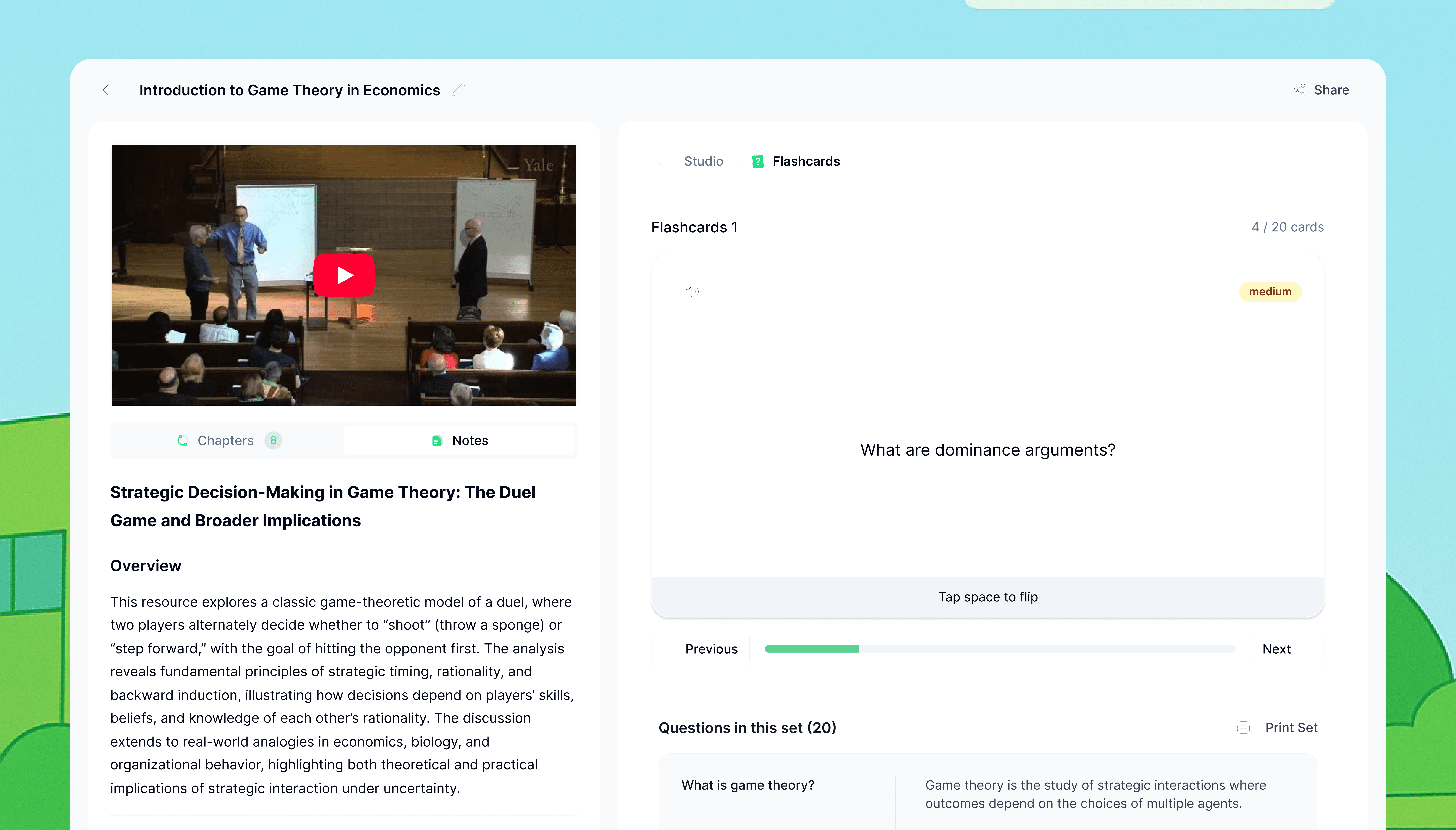
These systems promise to "do the heavy lifting" of scheduling, allowing students to integrate their academic tasks with other life demands.
The underlying proposition is that AI can impose order on the chaos of accumulating coursework.
Tailored Practice and Knowledge Recall
Beyond mere scheduling, AI is being marketed for its potential to personalize the learning process. Services like Save My Finals claim to leverage specialized models, distinct from general-purpose AI, trained on vast datasets of student exam results.
Read More: Mick Cronin supports former UCLA players with life and money advice
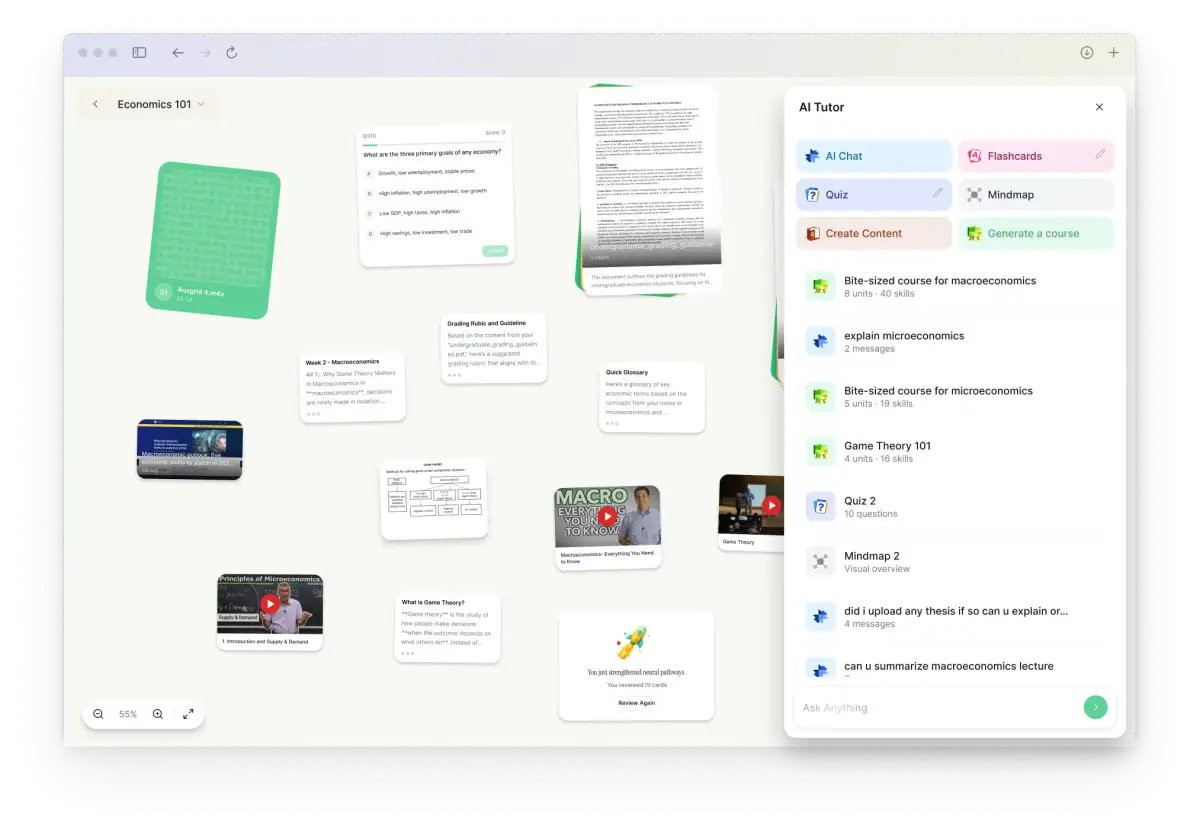
These platforms offer features such as predicting likely exam questions and generating targeted study materials. They also provide practice exams designed to simulate the actual final exam environment.
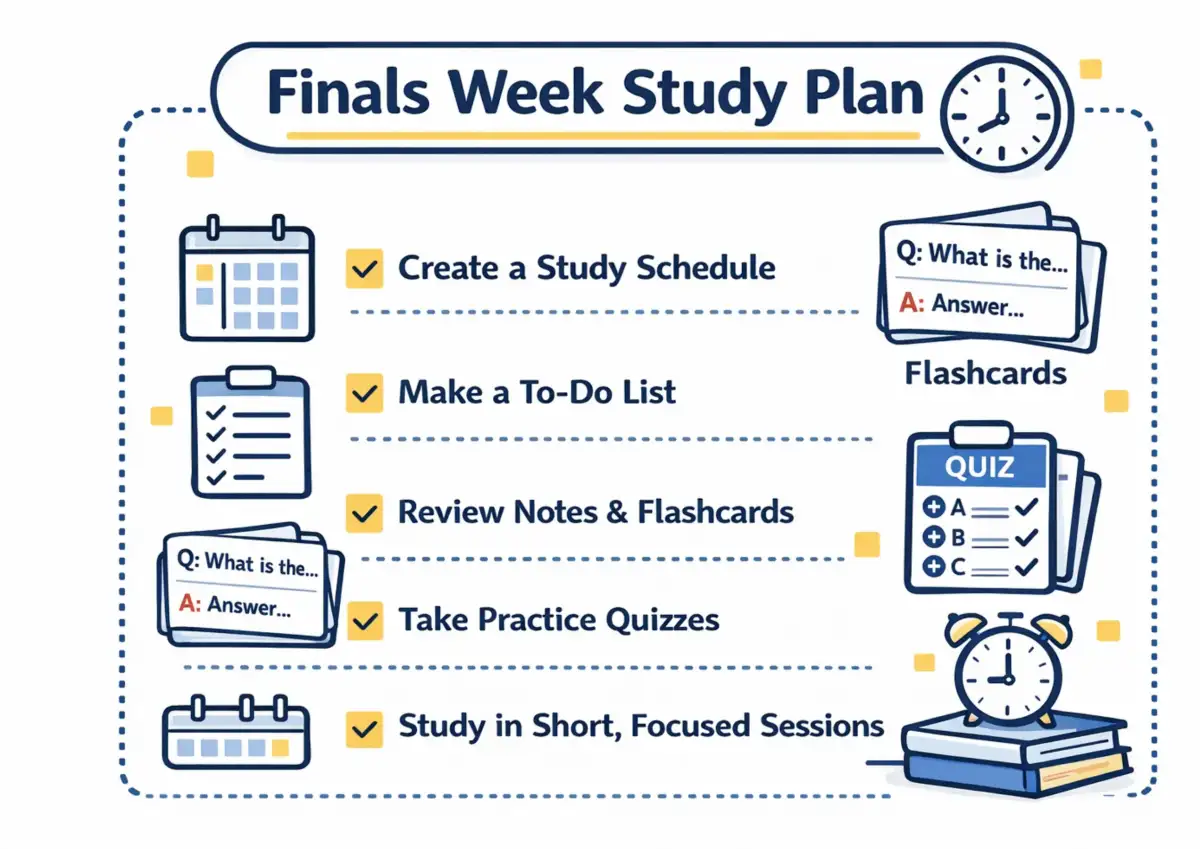
Other tools focus on active recall, generating flashcards or adaptive quizzes. Quizlet Q-Chat and Khanmigo are cited in this context, alongside AI-powered note summarizers like NotebookLM.
The efficacy of these tools is framed by their ability to improve information retention, though developers acknowledge AI is not a replacement for fundamental study habits.
The 3-Day Cram Session and Beyond
Some AI applications are specifically designed for last-minute preparation. A 3-day study plan, powered by AI, is presented as a method to "cram like a genius."
These compressed plans emphasize AI's role in quickly centralizing and structuring notes.
The implied advantage is condensing weeks of study into a short, intensive burst.
Caveats and Core Limitations
Despite the enthusiasm, a persistent undertone highlights AI's limitations. It is widely acknowledged that AI cannot "study for you". Instead, these tools are presented as augmentations to existing study practices, not replacements.
The effectiveness of AI study tools can vary depending on the specific subject matter.
The crucial caveat remains that foundational study habits are irreplaceable.
Background: The Evolving Study Landscape
The increasing presence of AI in educational preparation follows a broader trend of technological integration into learning environments. As institutions and students grapple with the demands of modern curricula, AI presents a new frontier for academic support. The development of specialized AI models for tasks like exam preparation suggests a growing recognition of niche applications within the educational technology sector. While claims of score improvement and increased efficiency are prevalent, the long-term impact and the ethical implications of AI in academic assessment remain subjects of ongoing discussion.