Aerodynamics Under Scrutiny as Trionda Takes Center Stage
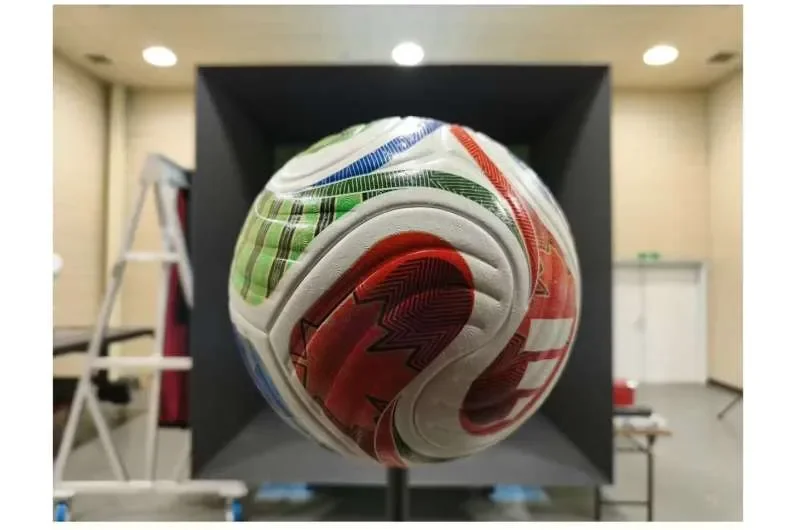
The discourse surrounding the Trionda, the official match ball for the upcoming men's World Cup, centers on its novel aerodynamic properties and technological integration. Researchers and commentators alike are dissecting how its design, including a four-panel construction and a textured surface, might influence ball flight. Early indications suggest the Trionda exhibits increased stability but potentially a slightly shorter range compared to its predecessors. This shift is attributed to its aerodynamic profile, which has been the subject of extensive study for two decades, with the current iteration being particularly analyzed for its flight characteristics.
The Science of Swerve and Dip
The grooves etched onto the Trionda's surface are a focal point, with questions arising about their potential to generate enhanced backspin. Such spin could, theoretically, lead to greater lift, potentially counteracting a "somewhat larger high-speed drag coefficient" observed in the ball. The ball's design is not merely aesthetic; it's a deliberate construction intended to interact with air in specific ways, affecting how players can manipulate its trajectory. The implications of these aerodynamic nuances for gameplay remain a topic of intense, if academic, interest.
Read More: Sabres Force Game 7 vs Montreal After 8-3 Win on May 16

Integrated Technology and Symbolic Design
Beyond its flight, the Trionda incorporates Adidas's Connected Ball Technology, featuring a new mounted chip system. This marks a significant technological leap for the tournament's equipment. The ball's visual design also carries meaning, with its distinct red, green, and blue sections intentionally honoring the tournament's three host nations: Canada, Mexico, and the United States. Gold embellishments reportedly offer a subtle reference to the World Cup trophy itself.
A Tradition of Evolution
The men's World Cup, held every four years, consistently brings change, and the ball is a deliberate point of evolution. As the most critical piece of equipment in the world's most popular sport's premier tournament, the ball's design is a subject of purposeful alteration. The Trionda is framed not just as a piece of sporting equipment but as a product of technical advancement, designed and tested across various altitudes and host cities, with findings even documented in academic papers.
Read More: Forza Horizon 6 and Subnautica 2 Leaked Before Release