A confluence of digital technologies, including artificial intelligence (AI), machine learning, and the Internet of Things (IoT), is fundamentally altering how environmental pollutants are detected and managed. This convergence promises real-time pollution tracking and prediction, moving beyond traditional methods to offer dynamic insights into air quality. Global research efforts are detailing how these smart sensor networks, coupled with advanced computational analysis, are becoming pivotal tools in this evolving landscape.
Recent analyses highlight the integration of AI into data pipelines designed for air quality monitoring, particularly in settings where resources are limited. These systems are engineered for scalability, suggesting a broad applicability for the technology. Such developments enable the calibration of low-cost sensors, expanding the reach of pollution monitoring.
The deployment of AI-driven systems extends to forecasting air quality, with models like Long Short-Term Memory (LSTM) networks being utilized to understand and predict temporal dependencies in pollution data. Hybrid deep learning approaches, combining various analytical methods, are also contributing to more accurate air quality predictions. Complementing these forecasting efforts are classification models, such as XGBoost, which aid in categorizing pollution levels.
Read More: Chrome mimeHandler API lets extensions handle file types
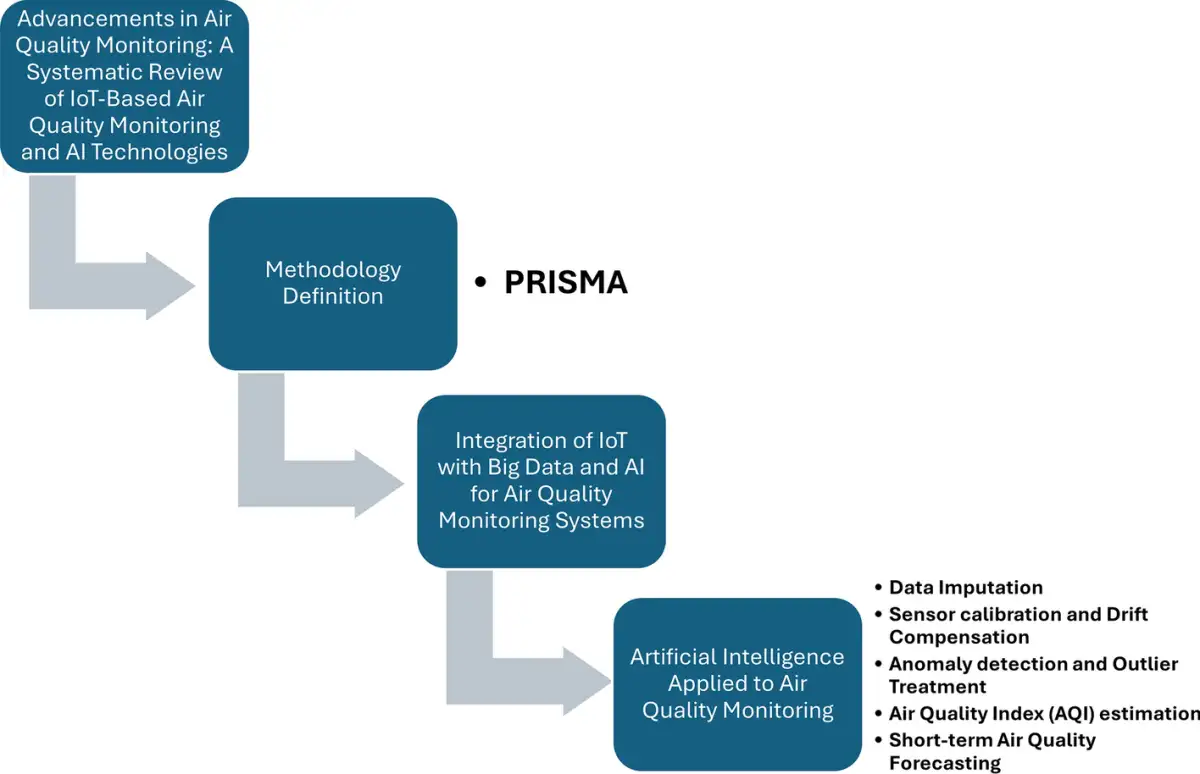
Further advancements include the use of AI for data imputation, addressing gaps in monitoring datasets caused by missing values. This ensures the robustness of the information gathered. The development of IoT-based monitoring systems, incorporating diverse sensor networks, is a key area of focus, with AI playing a central role in processing and interpreting the vast amounts of data generated.
Real-world applications are already demonstrating the impact of these technologies. Mobile sensors integrated into public transport, such as buses and taxis, are feeding live data into AI platforms. This data is then merged with other sources, like satellite imagery and traffic information, to create dynamic air quality maps. Such integrated systems offer the potential for predictive capabilities, allowing for forecasts of pollution levels hours or even days in advance by ingesting factors like weather patterns, traffic density, and industrial operations. These initiatives are unfolding across various continents, signaling a global shift towards data-intensive environmental monitoring.
Read More: Amazon Land Use Changes Cause Disease Clusters in Brazil
Background
The development and refinement of these AI-driven air quality monitoring systems build upon years of research in environmental science and computer engineering. Early efforts focused on establishing foundational sensor technologies and data collection methods. The advent of more sophisticated machine learning algorithms and the widespread adoption of IoT devices have enabled the current leap towards intelligent, real-time monitoring and prediction. This progress is supported by a growing body of scientific literature, with systematic reviews consistently mapping the advancements and applications of these integrated technologies.