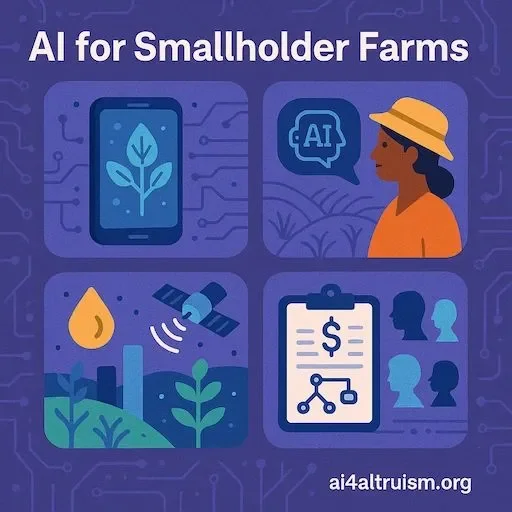
The accelerating integration of artificial intelligence in developed agriculture sectors presents a stark reality: a widening chasm that risks leaving smallholder farmers behind. While AI promises advancements in areas like pest detection, yield forecasting, and irrigation management, the benefits remain unevenly distributed, primarily due to significant barriers faced by these smaller operations. A core issue is the prohibitive cost of AI tools coupled with a deficit in the digital literacy required for effective engagement. This disparity is highlighted by a recent comparative study examining AI adoption rates between developed and developing nations.
Barriers to Entry and Unequal Access
The path to AI-driven agriculture is fraught with obstacles for smallholder farmers. High costs associated with sophisticated AI technologies are a primary deterrent. Furthermore, a lack of foundational digital literacy hinders their ability to operate and benefit from these tools. The fundamental requirement for reliable electricity, essential for most AI-driven systems, also poses a significant challenge in many regions.
Read More: New Wheat Makes Bigger Starch for Food and Industry
Beyond these practical hurdles, broader concerns cast a shadow over AI's agricultural deployment. Potential pitfalls include data privacy breaches, cybersecurity vulnerabilities, the displacement of labor, and fundamentally, unequal access to AI-enabled agricultural technologies. These issues underscore the need for careful consideration of governance and ethical dimensions to ensure responsible adoption.
The Human Element in AI-Enabled Agriculture
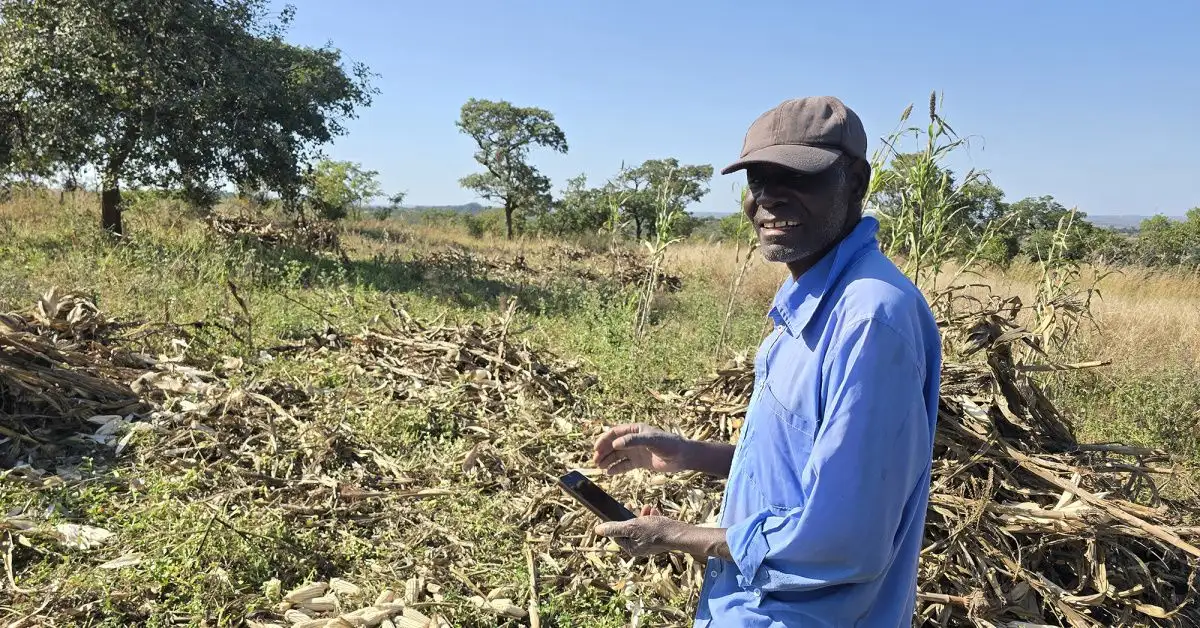
The successful implementation of AI in agriculture, particularly for extension services supporting smallholder farmers, hinges on more than just technology. AI-enabled extension cannot succeed without robust human infrastructure and trusted social frameworks. Case studies, such as the "Farmer.Chat" initiative, illustrate how institutional actors can effectively leverage AI integration. However, current systems, including Farmer.Chat, often remain knowledge-centric. The effectiveness of these tools in supporting or limiting knowledge exchange, trust-building, and user empowerment among smallholder farmers depends heavily on how they are embedded within existing social and institutional contexts.
Read More: Chrome mimeHandler API lets extensions handle file types
Navigating the Socio-Technical Landscape
A roadmap for sustainable AI in agriculture must embrace socio-technical considerations. Elements such as fostering human-AI collaboration, adhering to FAIR data principles, and adopting interoperability standards like those from AgGateway are crucial for ensuring equity and seamless integration. Addressing cross-cutting challenges—data privacy, algorithmic fairness, adoption costs, and the need for a just transition—is paramount for responsible AI governance in this sector.
The potential of AI to transform agriculture, particularly in regions like Africa where it remains a cornerstone of the economy, is undeniable. However, sustainable and equitable transformation is contingent upon empowering smallholder farmers, who are currently hampered by high costs and limited connectivity. Opportunities for international cooperation, such as those being explored between the EU and Africa, could accelerate the impact of AI and help bridge the digital divide.
Read More: Karnataka requests higher Totapuri mango limit for farmers in April 2026