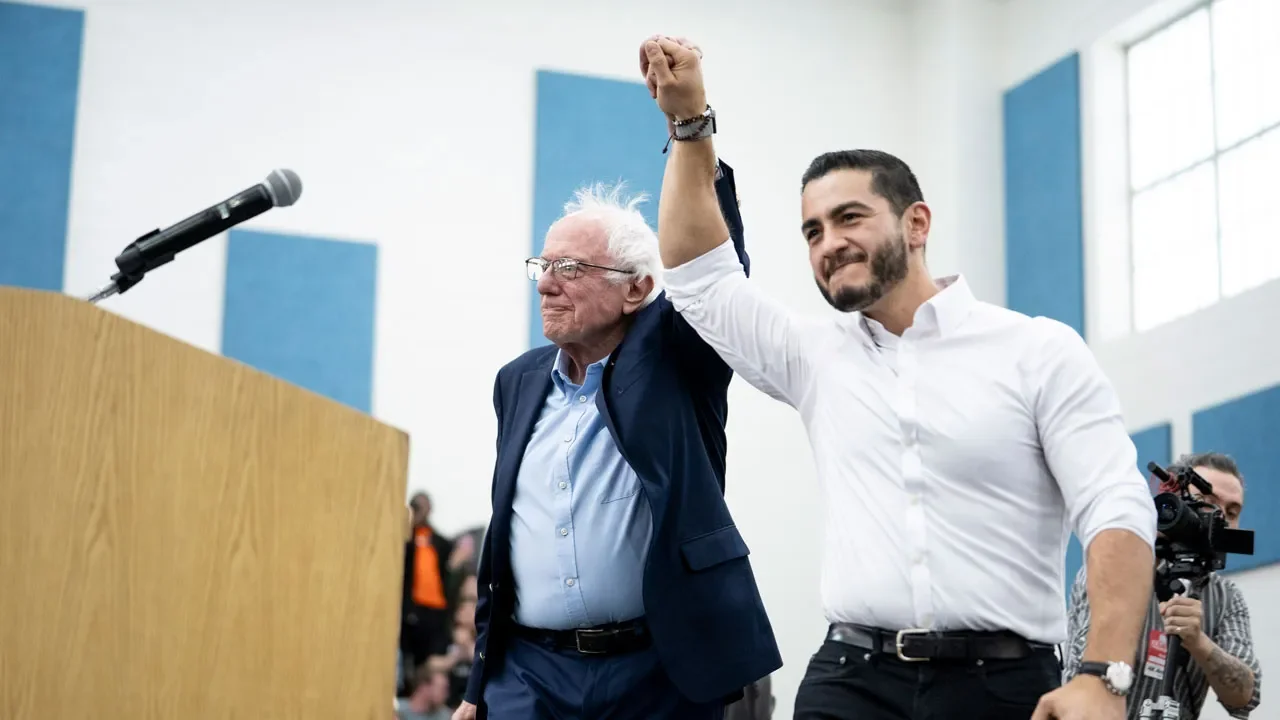
Michigan Democratic Senate candidate Abdul El-Sayed has advocated for broad prisoner release policies, a stance drawing renewed scrutiny ahead of the August 4 primary. During a recorded webinar, El-Sayed argued for aggressive decarceration, stating that all efforts to remove individuals from correctional facilities are "policy that we need to be investing in."
Policy Positions and Record
The candidate’s past and present platform includes several departures from conventional criminal justice approaches:
Mass Release Advocacy: During the COVID-19 pandemic, El-Sayed pushed for widespread compassionate release programs, which included inmates convicted of violent offenses.
Juvenile Sentencing: A previous campaign archive shows El-Sayed proposed commuting all life sentences for juveniles and capping future juvenile sentences at 25 years.
Police Funding: Recent media appearances have highlighted past social media posts regarding defunding the police, which he has faced pressure to clarify.
| Policy Area | Stated Proposal |
|---|---|
| Incarceration | Broad decarceration and mass release |
| Juvenile Justice | Commute life sentences; 25-year cap |
| Foreign Policy | Questioned U.S. aid to Israel |
Political Context
El-Sayed currently leads polls against moderate Democratic rivals Haley Stevens and Mallory McMorrow. While these positions have solidified his standing with a specific segment of the party base, political analysts view them as potential liabilities in the November general election, which remains a statistical toss-up.
Recent Rhetorical Shifts
Beyond criminal justice, the campaign has faced pressure on geopolitical issues. In a recent exchange with Kasie Hunt on CNN, El-Sayed declined to affirm Israel's "right to exist" in direct terms, instead shifting the conversation toward the allocation of U.S. tax dollars. This interaction underscores a broader struggle to reconcile progressive ideological commitments with the requirements of a statewide campaign. The candidate has not provided updated comment regarding these specific policy points when queried by media outlets.
Read More: Taiwan Holds Nantou County Drills to Prepare for State Collapse
"Any and all efforts to get people out of jails and prisons and to keep people out of jails and prisons is policy that we need to be investing in." — Abdul El-Sayed
Historical Backdrop
The prison abolition movement aims to replace existing carceral systems with community-based rehabilitation and restorative justice models. Critics argue that such rapid implementation of decarceration—specifically regarding those convicted of violent acts—creates tangible public safety risks. Conversely, proponents claim that the current system is fundamentally punitive and ineffective at addressing the underlying causes of crime. As the August 4 primary approaches, these disparate viewpoints remain central to the discourse surrounding El-Sayed's viability for the Michigan seat.
Read More: McCoy Biagioli wins 115th Michigan Amateur Golf Title on July 3 2026