
The World Meteorological Organization (WMO) has declared that 2025 saw the planet absorb an unprecedented amount of heat. This phenomenon, described as an "energy imbalance," means more solar energy is entering the Earth's system than is escaping back into space.
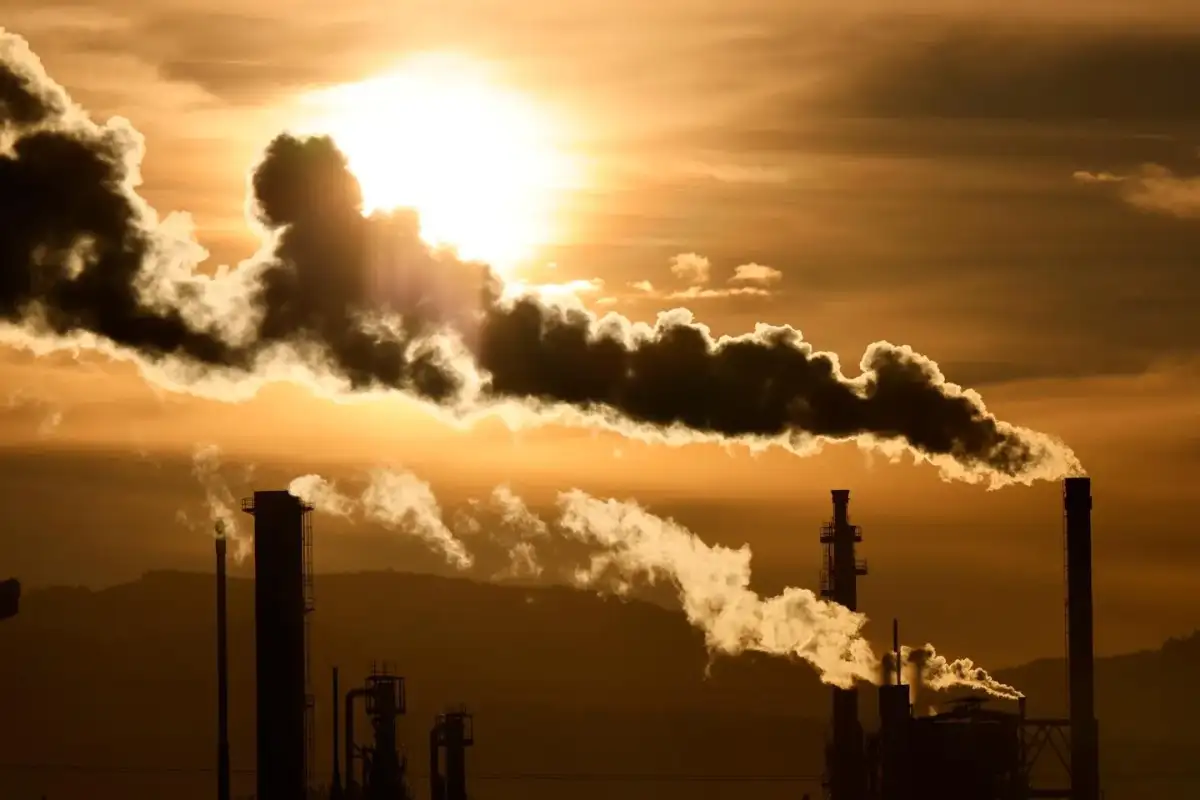
This excess heat, a staggering 91 percent of which is being stored in the oceans, fuels ongoing ocean warming and contributes to a projected centuries-long rise in sea levels. The report highlights that the last decade has seen the eleven hottest years on record, all occurring between 2015 and 2025.
Unsettling Signals
The WMO's "State of the Global Climate" report anchors this finding in a metric previously absent: the planet's energy imbalance. Under stable conditions, the incoming solar energy should roughly match the outgoing energy. However, this balance has been increasingly skewed since records began in 1960, with a pronounced shift evident over the last two decades.
Read More: Amazon Land Use Changes Cause Disease Clusters in Brazil

Last year, the planet's temperature registered approximately 1.43 degrees Celsius above the 1850-1900 average. Despite the influence of La Niña, a natural cooling event in the Pacific, the overarching trend of warming persists.
Echoes of Disruption
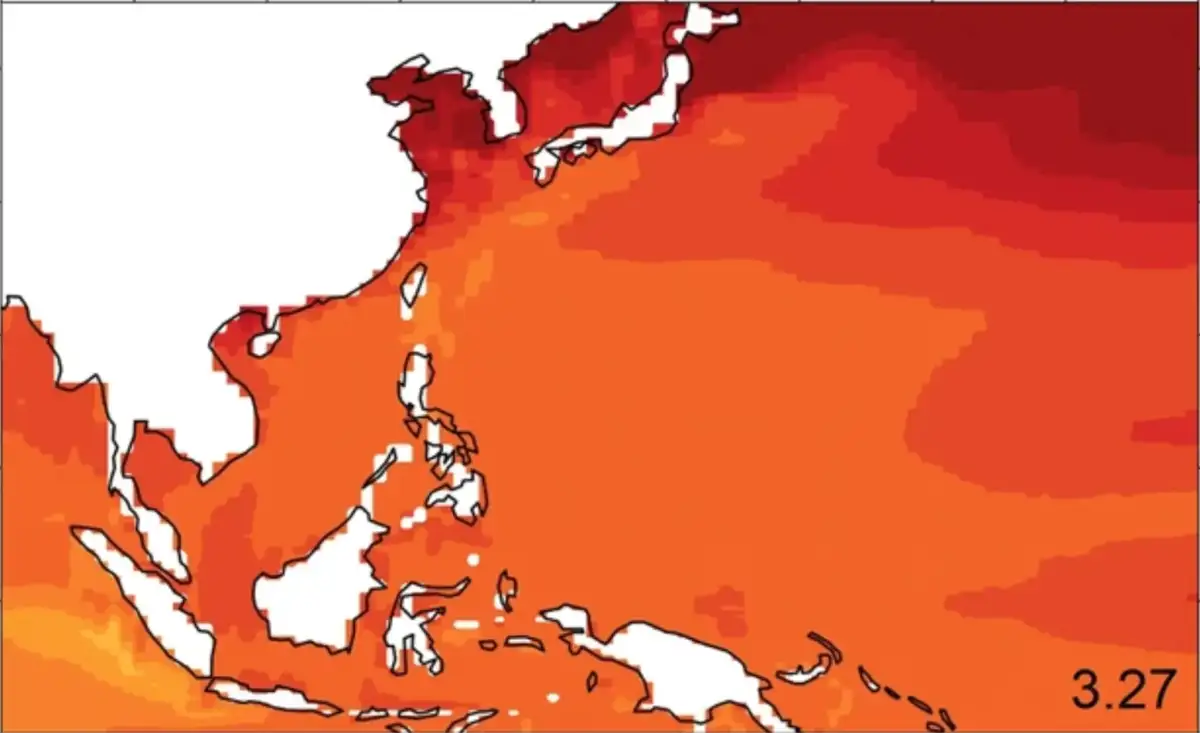
The consequences of this heat accumulation are already manifesting. Ocean warming leads to the degradation of marine ecosystems, a decline in biodiversity, and a diminished capacity for oceans to absorb atmospheric carbon. These effects are not transient; projections indicate they will continue for centuries.
The Bigger Picture
Amidst geopolitical tensions and rising fuel costs, UN Secretary-General Antonio Guterres has urged the world to recognize these indicators as an urgent call to action. The repeated occurrences of record heat, the WMO suggests, point to a system pushed beyond its established limits.
Read More: Indigenous Data Rights Now Key in Conservation Genomics