Shrinking Waterbody Under Siege from Aquaculture and Encroachments
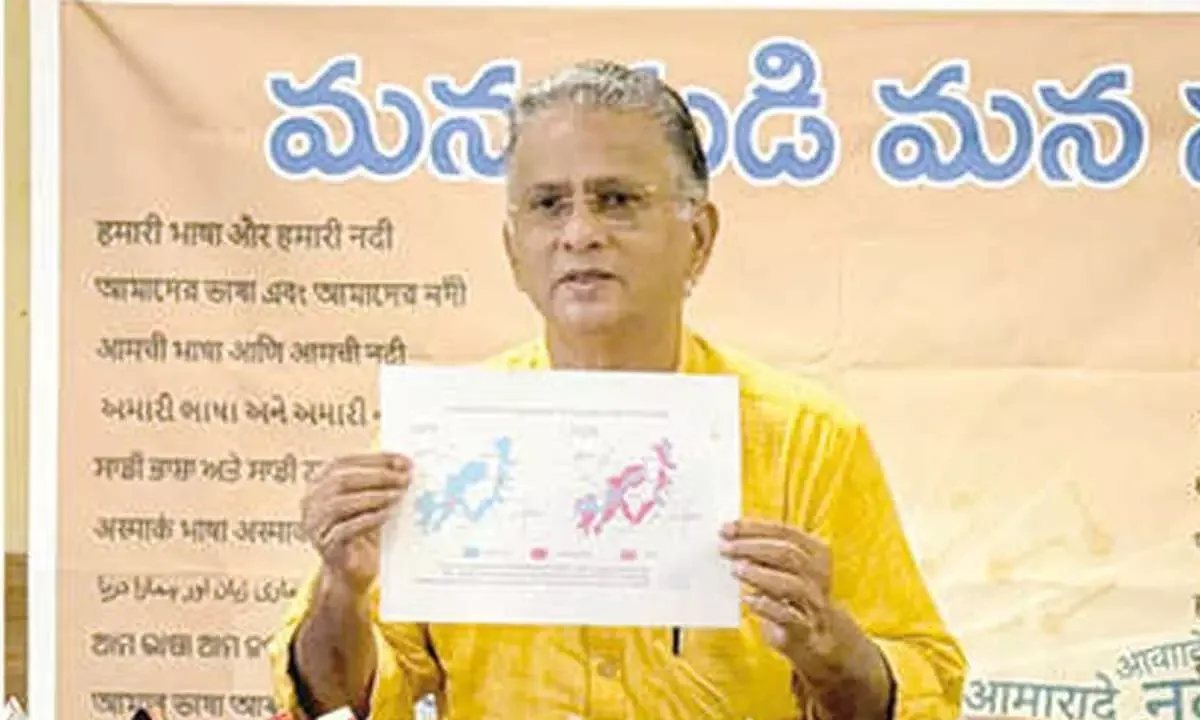
Kolleru Lake, a significant freshwater body recognized internationally as a 'RAMSAR site', is experiencing a dramatic reduction in its size and ecological health. Once spanning approximately 2,22,600 acres, the lake's area has allegedly shrunk to a mere 90,000 acres due to decades of human activities, primarily aquaculture and encroachments. This decline is raising alarms about its capacity to manage floods and sustain its ecosystems.

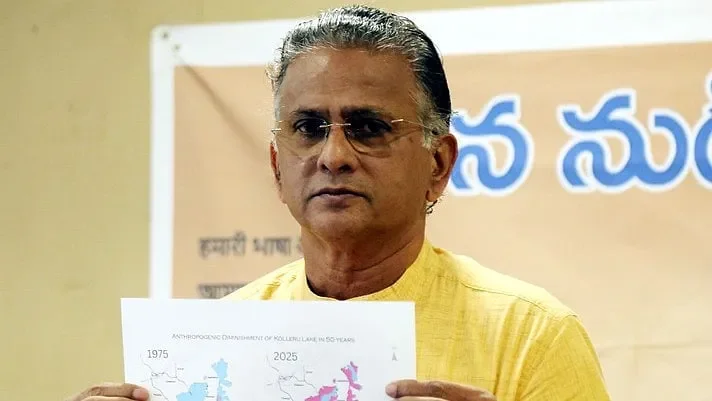
The spread of fish ponds within the lake's boundaries is a major contributor to the shrinking water spread and altered water flow patterns. Activist Bolisetty Satyanarayana, national convenor of Jal Biradari, has been vocal about this degradation, warning of imminent "environmental devastation" if the destruction is not halted. He has directly communicated these concerns to high-ranking officials, including the Prime Minister.
'Blue Revolution' Backfires, Ecosystem Damaged
The push for aquaculture, often referred to as the 'blue revolution', appears to be backfiring, leading to a deterioration of the lake's water quality, making it unsuitable even for agriculture in some surrounding villages. This environmental stress impacts the fisheries and aquaculture operations themselves, creating a cyclical problem. The lake's reduced capacity is a critical concern, potentially exacerbating flood situations, as witnessed by recent inundation of villages and roads.
Read More: NY Governor wants to delay climate law due to high energy bills
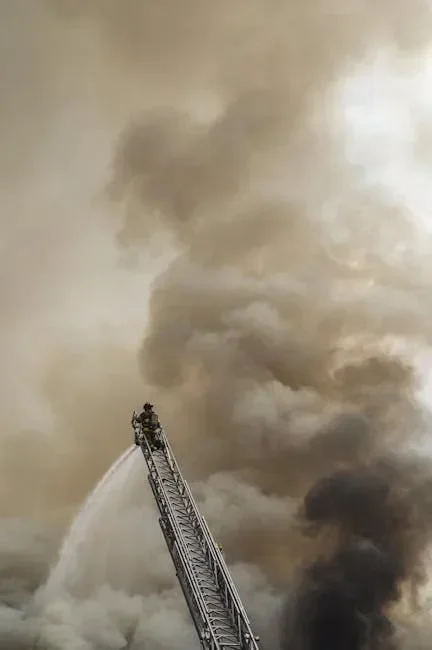
"War and military activities have apparent consequences for the environment. Weapons, troop movements, explosions and the destruction of buildings and forests are just some of the examples of how military operations damage the environment."
This general observation, noted in one report, underscores a broader context of how human endeavors, regardless of intent, can inflict damage upon natural landscapes. While not directly attributed to military action at Kolleru, it frames the pervasive human impact on ecological systems.
Government Actions and Ongoing Challenges
The Andhra Pradesh government has acknowledged the deteriorating state of Kolleru Lake, citing issues like untreated sewage, siltation, and rampant aquaculture. Plans are reportedly in motion to clear encroachments and address administrative, legal, and ecological challenges. However, these efforts are complicated by the presence of approximately 3 lakh people residing within the lake's contour zone, many of whom depend on the land for their livelihoods. Proposals include excluding a portion of the sanctuary area to accommodate these populations while simultaneously attempting to manage pollution from drain water entering the lake.
Read More: India Election Dates April-May 2026 for Assam, Bengal, Kerala, TN, Puducherry
"He emphasised the need for a balance between development and conservation."
This statement from an activist highlights the central tension in managing vital natural resources. The push for economic activity, such as aquaculture, often clashes with the imperative of preserving fragile ecosystems.
A Thousand-Year Legacy Under Threat
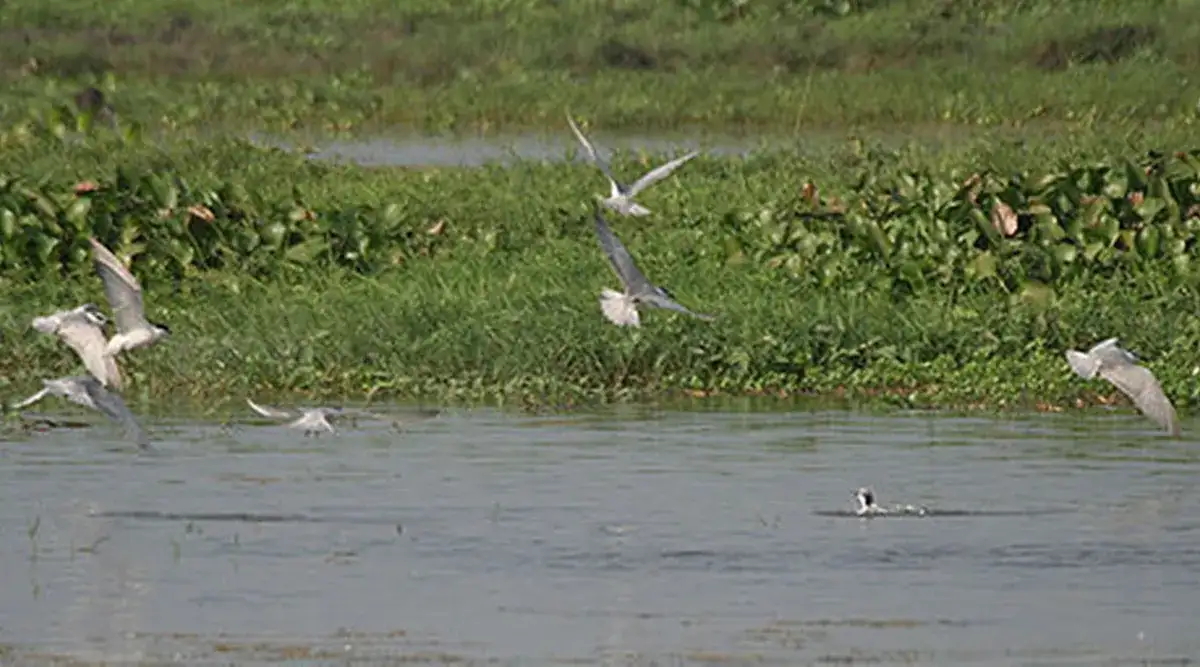
Kolleru Lake, described as a pristine and intact ecosystem for over a millennium, has endured various historical periods. Yet, it faces what some consider unprecedented destruction in recent decades. The ecological balance is further complicated by questions surrounding the return of migratory birds and the persistent issue of pollution. Activists and environmental groups are pressing for conservation measures to be undertaken "on a war-footing," emphasizing that constitutional mandates also direct the protection of nature and the environment. The ongoing ecological distress has prompted calls for 'regular monitoring using satellite data' to ensure administrative accountability.