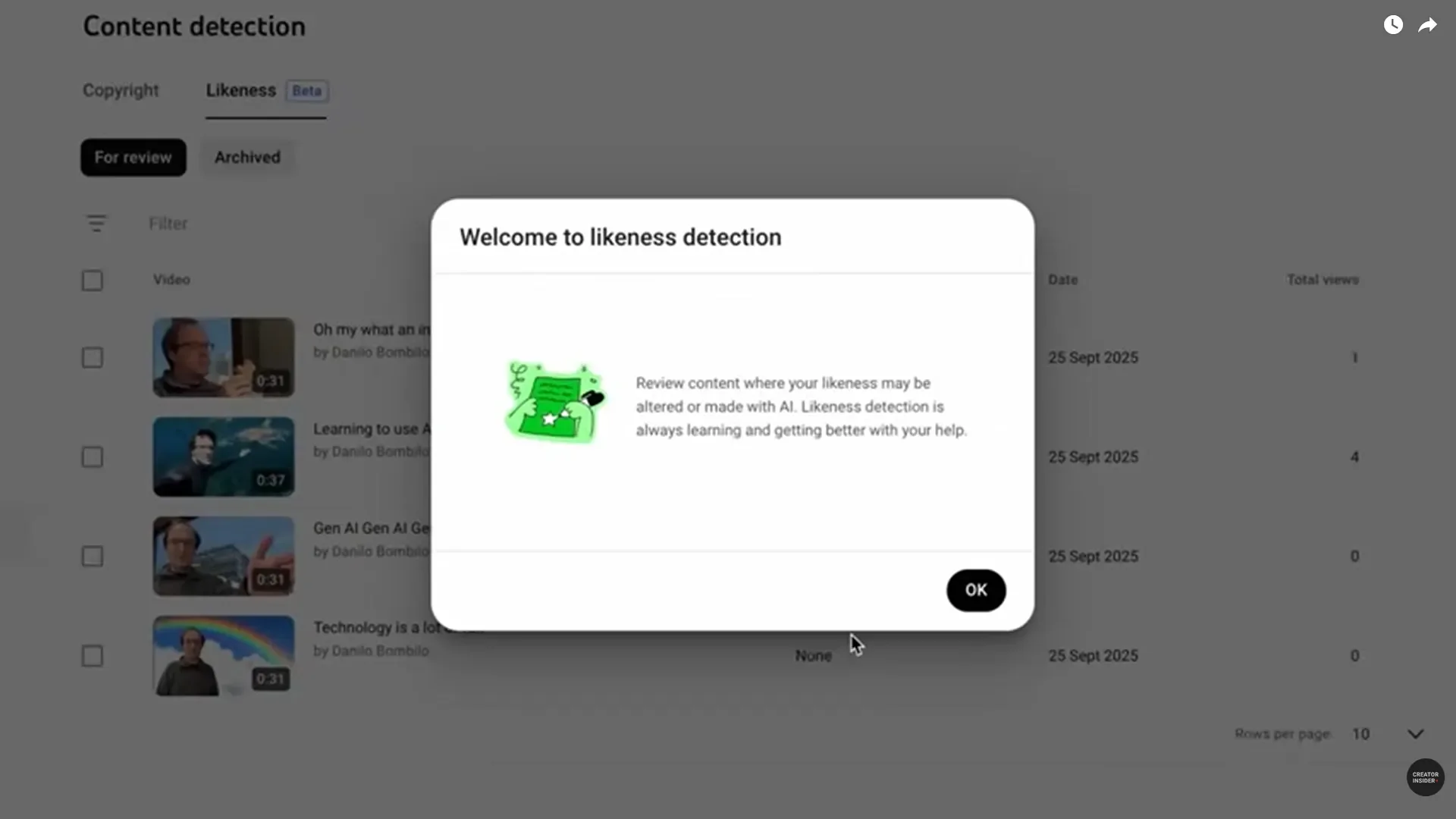
YouTube has expanded its "likeness detection" tool, designed to combat AI-generated deepfakes, to all creators aged 18 and older. This move broadens the tool's availability beyond its initial rollout to YouTube Partner Program members, aiming to offer protection against unauthorized use of creators' likenesses.
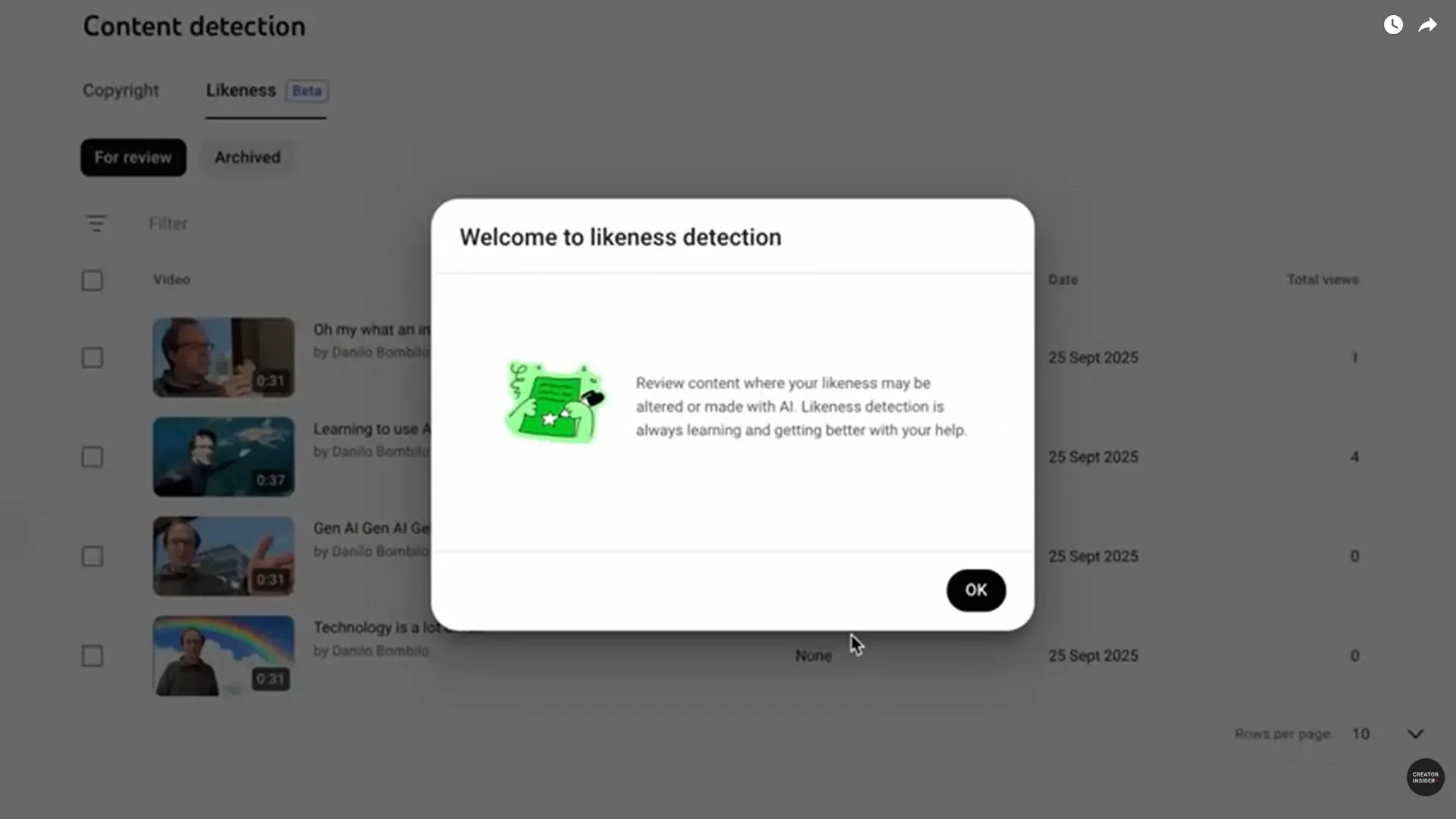
The likeness detection tool, which functions similarly to YouTube's existing Content ID system but focuses on visual and auditory biometric data, allows creators to identify AI-generated videos impersonating them.

Previously restricted to those in the YouTube Partner Program—a designation requiring 1,000 subscribers and a specified number of watch hours or short views—the feature's wider release signifies an effort to equip a larger creator base with defenses against emerging AI threats. This expansion means both seasoned content creators and those just beginning their YouTube journey can access the same protective measures.
Read More: AI Models: Small Models More Reliable Than Big Models For Specific Tasks

The tool scans uploaded videos for AI-generated versions of a creator's face or voice. Once a potential match is flagged, creators can review it in YouTube Studio and decide whether to pursue takedown requests based on YouTube's privacy guidelines or copyright claims. YouTube has indicated a potential future expansion of this detection technology to encompass other forms of likeness.

While the platform emphasizes creator protection, concerns have been raised by experts regarding the use of creators' biometric data for training Google's AI models. YouTube has stated that it has not used such data for AI training and is reviewing the wording of its sign-up forms to clarify its policies and avoid misinterpretation.
The platform has also supported legislative efforts like the NO FAKES Act, which advocates for platforms to respond swiftly to takedown requests for AI-generated likenesses. The introduction and subsequent expansion of this tool mark a notable shift in YouTube's approach to handling AI-generated content, providing creators with a more systematic way to address unauthorized digital impersonations at scale.
Read More: How to turn off Instagram Instants feature in May 2026 to stop photos