The 2026 World Cup draw has laid bare the initial pathways for the competing nations, with South American and African teams potentially poised to benefit from the challenging summer conditions in the United States, Canada, and Mexico. While a World Cup victor has yet to emerge from the African continent, recent performances and the environment suggest a possibility. The tournament's scheduling during peak summer has raised concerns about extreme heat, a factor that could significantly influence outcomes and favour teams adept at playing in such climes.
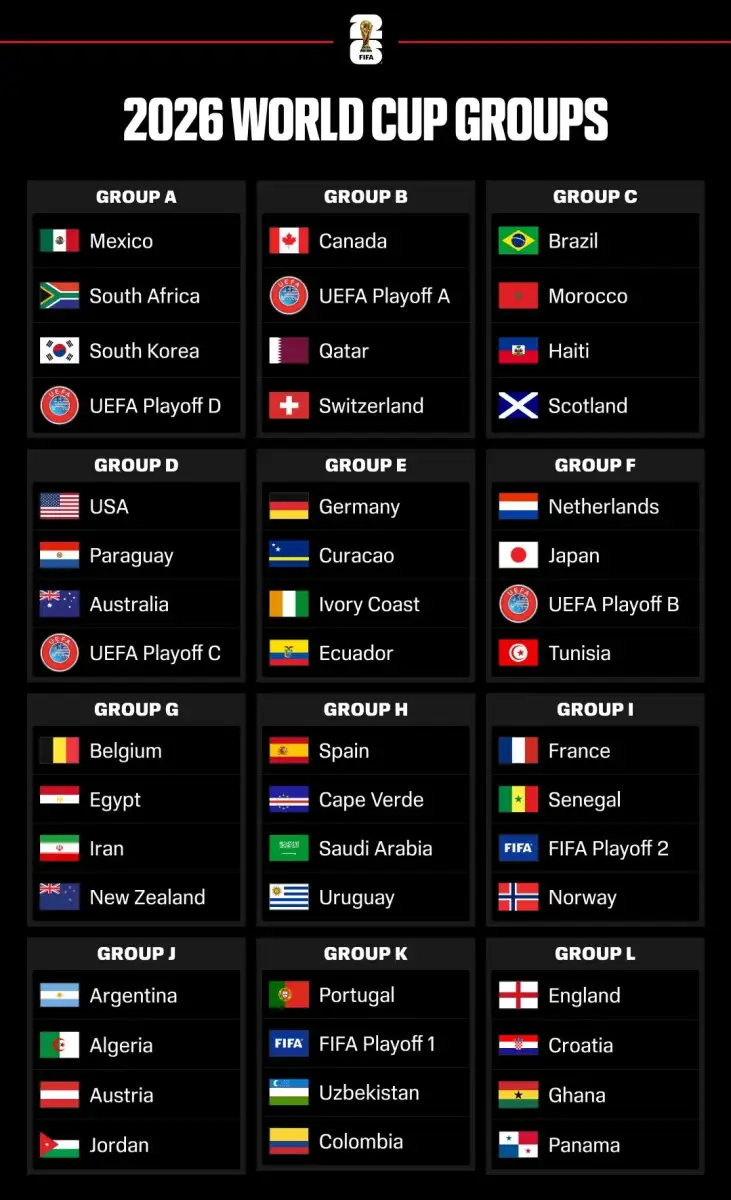
The initial group stages reveal a mix of established powers and relative underdogs. Group C pits Brazil, Morocco, Haiti, and Scotland against each other, while Group H features Spain, Cape Verde, Saudi Arabia, and Uruguay. England finds itself in Group L alongside Croatia, Ghana, and Panama. The fates of several nations hinge on UEFA and FIFA play-off matches, with teams like Italy, Denmark, Turkey, and DR Congo among those awaiting their final qualification status.
Read More: FIFA World Cup 2026 Revenue Reaches $15 Billion With New Ticket Prices

The summer heat in the United States, Canada, and Mexico is a significant environmental variable that could reshape traditional power dynamics in the 2026 World Cup.

Favourites and Underdogs Take Shape
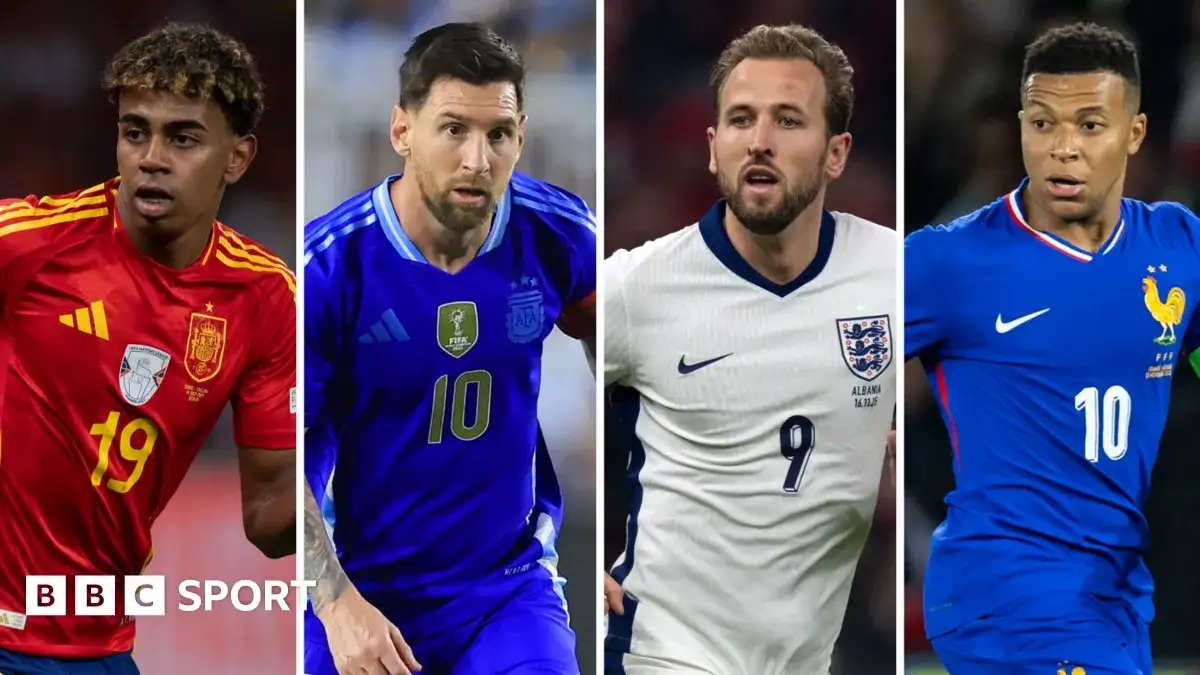
Teams such as France, having reached the last two finals, remain prominent contenders. However, the historical trend of no team repeating as World Cup winners in over two decades, coupled with the advanced age of key players like Lionel Messi, casts a shadow over immediate repeat success for current champions. This narrative of past glories versus present challenges is a recurring theme, with nations like Brazil, Germany, Argentina, Italy, and France all boasting rich histories in the tournament.
Read More: Man Utd Stalls Lewis Hall Transfer to Prioritize Midfield Signings
Betting markets and expert analyses suggest that Spain is among the top favourites, despite a minor blemish on their recent qualifying record – a 2-2 draw against Turkey. The perception is that Spain is worthy of their favoured status, though their past World Cup performance has not seen them advance beyond the quarter-finals. France, with its squad depth and perceived potential, is also considered a strong contender, capable of overcoming most opponents.
The structure of the tournament, now expanded, means that teams that might have previously been eliminated early now have more opportunities. The 'X factor' remains a crucial element, with individual player performances and the potential for upsets playing a vital role.
A Glance at the Groups and Key Matchups
The draw has set the stage for several compelling group-stage encounters. Brazil faces Morocco in Group C, while England will meet Croatia in Group L. Argentina's path includes Algeria, Austria, and Jordan in Group J, and Portugal is in Group K with potential play-off winner Uzbekistan and Colombia.
Read More: England World Cup Match: Pubs Open Until 5 AM Monday
The presence of Ronaldo's potential final World Cup appearance adds another layer of narrative to the event. The outcomes of various UEFA and FIFA play-offs will further solidify the final composition of the tournament, introducing additional variables and potential dark horses.
The FIFA World Cup's expansion to 48 teams significantly alters the qualification landscape.
The unique environmental conditions of the host nations present a distinct challenge.
Historical precedents, such as the difficulty of repeating as champions, are weighed against current team strengths.
Historical Context: The Elite Few
Across nearly a century of the tournament, only eight nations have achieved the distinction of winning the FIFA World Cup. This elite club includes Brazil (5 titles), Germany (4), Italy (4), Argentina (3), France (2), Uruguay (2), England (1), and Spain (1). The pursuit of this ultimate prize continues to define legacies and etch teams into the annals of football history.