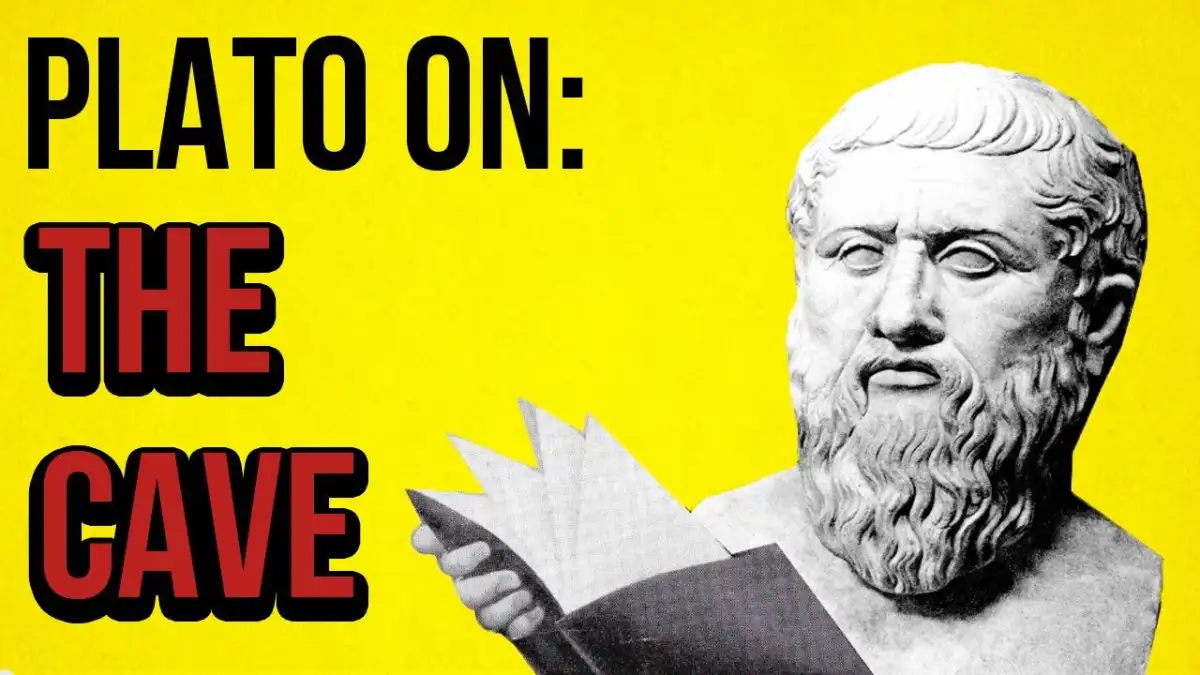
YouTube has emerged as a central nexus for philosophical discourse, recasting how ideas about living are accessed and disseminated. Recent compilations from December 2025 and February 2026 highlight a proliferation of channels dedicated to philosophy, ranging from academic lectures to practical applications for everyday life.
The digital landscape offers a diverse range of philosophical content, from detailed lectures on figures like Hegel to accessible explanations of Stoic principles such as 'Amor Fati'. This surge indicates a public appetite for structured thought and guidance amidst what is described as 'constant noise'.
Channels as Knowledge Hubs
Several YouTube channels stand out for their philosophical output:
Yale's YouTube channel features extensive lecture content, including a popular series on Marcus Aurelius. Jared Henderson's Substack, published December 8, 2025, notes this channel hosts 476 videos, many focusing on lecture material.
Wireless Philosophy, mentioned in lists from December 2025 and February 2026, presents animated philosophy, with Jennifer Nagel, a philosophy professor at the University of Toronto, associated with its content.
Philosophy Tube, helmed by Abigail Thorn, is identified as a "Mega" type channel with 1.7 million subscribers, positioning it as a significant influencer in this space. Feedspot's February 19, 2026 report also lists channels like Carneades.org (163K subscribers) and Ram Talks.
Practical Application Over Abstract Theory
While academic philosophy remains a component, a significant trend points towards philosophy's utility in daily existence. Aseem Gupta's article from March 3, 2023, emphasizes Stoic ideas like 'Amor Fati', advocating for a shift in perspective towards life's challenges and focusing energy on controllable aspects – thoughts and actions – rather than external events. This aligns with the sentiment that philosophy can provide "enlightenment," a quality noted as lacking in contemporary society, as per a summary of the "How to Live: Philosophy" documentary series.
Read More: Google Learn About AI Tool Released April 2026 For Simple Learning
The idea that philosophy offers clarity and deeper self-understanding is echoed in discussions about YouTube's role, suggesting it's "less about academic debate and more about applying philosophy to life." This practical turn addresses a perceived disconnect between abstract philosophical concepts and everyday experience, as noted in an April 17, 2024 article from Big Think discussing philosophers on living a happy life.
A Modern Forum for Ancient Wisdom
The availability of diverse philosophical perspectives on YouTube suggests a democratization of access to ideas previously confined to academic circles. From the historical contemplation of Stoics and thinkers like Epicurus and Augustine to modern interpretations, the platform acts as a repository for grappling with fundamental questions about existence, consciousness, and the pursuit of reality. This aggregation, spanning topics from logic and ethics to the nature of the universe, reflects a persistent human inclination to seek meaning and structure.
Read More: Trump Uses Taylor Swift Wedding Buzz For Campaign