

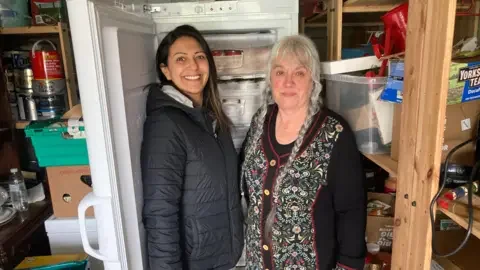
York, England - Two women, Janet Leng, 75, and Marian Hodgson, 39, are redistributing surplus food, earmarked for disposal, to schools in York. Their work, undertaken through the 'I Am Reusable' food bank, aims to supplement meals for children, particularly those already receiving free school lunches.
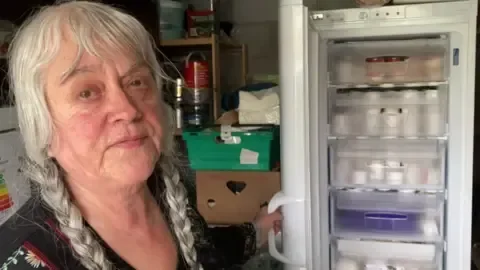
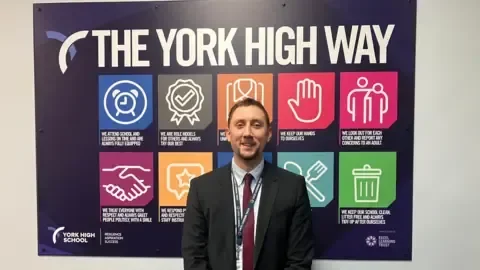
The initiative sees items with longer shelf lives, such as tinned goods and cereals, collected and used to stock school "community cupboards." These provisions are then served as part of breakfast clubs or as an added resource to existing school meal provisions. The pair have established partnerships with several schools, with a focus on institutions serving a higher proportion of disadvantaged pupils.
WIDER CONTEXT: A GLOBAL PROBLEM, LOCAL SOLUTIONS
This localized effort in York occurs against a backdrop of significant global food waste. Reports indicate that food waste contributes substantially to greenhouse gas emissions, estimated at up to 10 percent of global emissions, dwarfing the aviation sector's output. The production of this wasted food also consumes vast amounts of water and arable land, resources that could otherwise be directed toward feeding those in need.
Read More: UN: Fertilizer shortage may cause global food crisis in 6-12 months

International bodies, including the United Nations Environment Programme (UNEP), advocate for halving food waste by 2030, a target enshrined in Sustainable Development Goal 12.3. These efforts often involve educating the public and developing strategies to reduce loss across the entire food supply chain, from farm to consumer. Food rescue organizations, like those highlighted by Feeding America, are crucial in this fight, channeling surplus food to alleviate hunger.

The practice of naming and celebrating individuals who perform acts of public good echoes historical figures, such as Saint Nicholas, traditionally associated with generosity. However, the current reality sees ordinary citizens undertaking the direct provision of basic necessities—food—to vulnerable populations, often filling gaps left by broader systemic approaches to food security.



)
