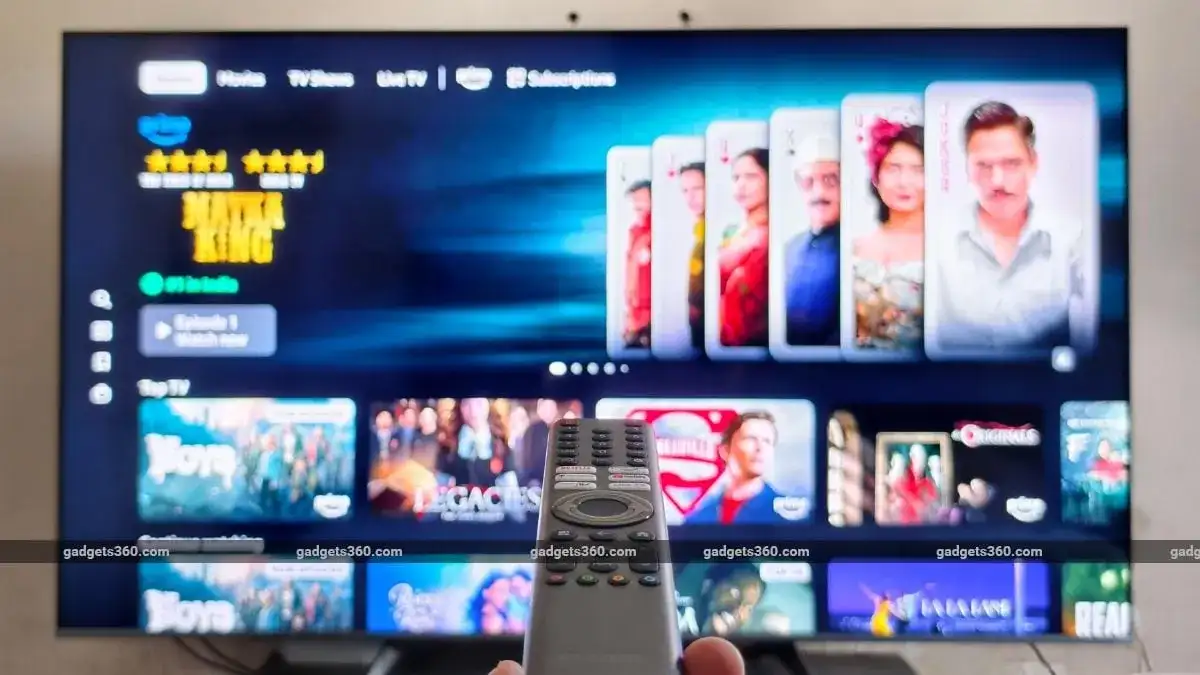
The Xiaomi S Mini LED lineup, currently spanning from 55 to 98 inches, demonstrates a sharp technical divergence between screen sizes that obscures the uniformity of the brand’s marketing. While entry-level models prioritize affordability and basic Mini-LED dimming, high-end units (85 and 98 inches) reserve "true" 144Hz native refresh rates and significantly higher local dimming zone counts, leaving smaller models to rely on DLG (Dual Line Gate) software interpolation to reach higher frame rates.
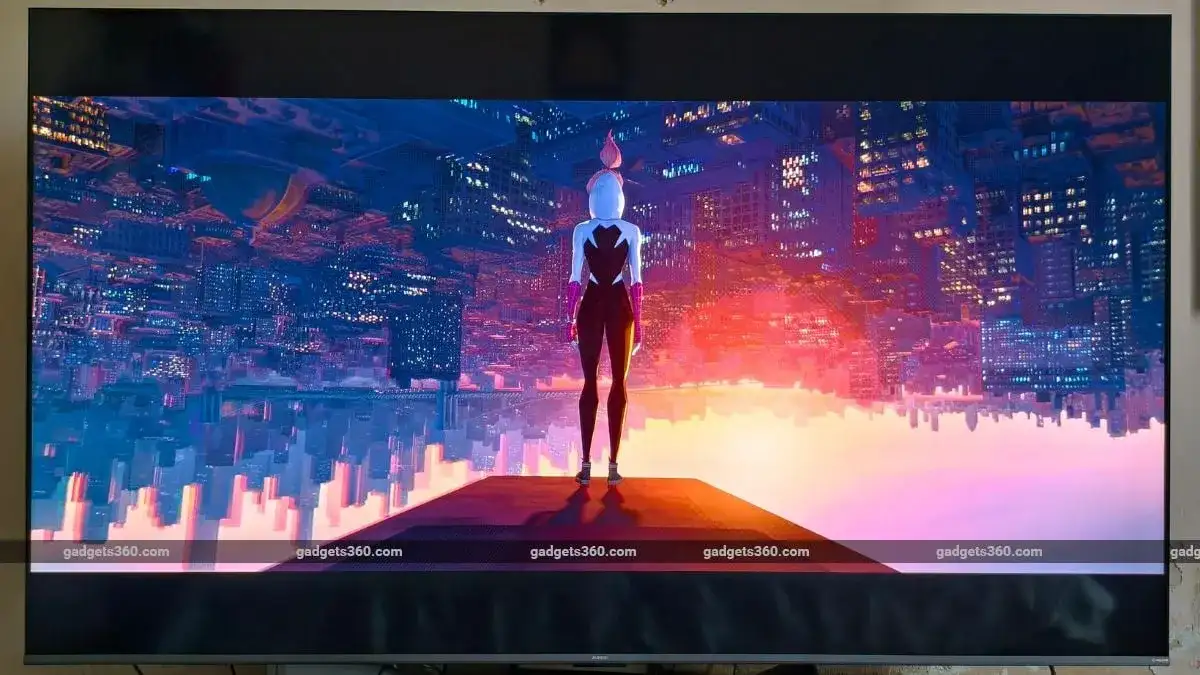
Technical Stratification
The variance in performance across the range suggests that consumers are buying distinct products under a singular label. Key hardware disparities reported across the 2025–2026 product cycles include:
| Feature | 55-65" Models | 75-98" Models |
|---|---|---|
| Dimming Zones | Limited (e.g., 384 in 65") | High (up to 880 in 98") |
| Native Refresh | Typically 60Hz / DLG | True 144Hz |
| Panel Logic | Cost-focused | Premium-focused |
Insight: Purchasing a smaller screen in this series involves accepting technical trade-offs that are not present in the larger, flagship-spec models.
Performance and Utility Constraints
Field reports consistently identify systemic issues that persist despite iterative hardware updates:
Read More: Logitech G29 Wheel Price Drops Up To 56% For Forza Horizon 6 Players
Software Friction: Users note intermittent lag when switching between Google TV applications and internal system menus. Some critics advise pairing the display with external media streamers to circumvent internal processing bottlenecks.
Audio Depth: While the units offer basic surround sound simulation, they fail to provide genuine vertical spatial audio, often requiring additional soundbar hardware for acceptable fidelity.
Input Handling: Smaller variants exhibit a motion remanence of approximately 27ms, which is statistically mediocre compared to specialized gaming displays, even if "Game Boost" modes attempt to inflate frame rates via software.
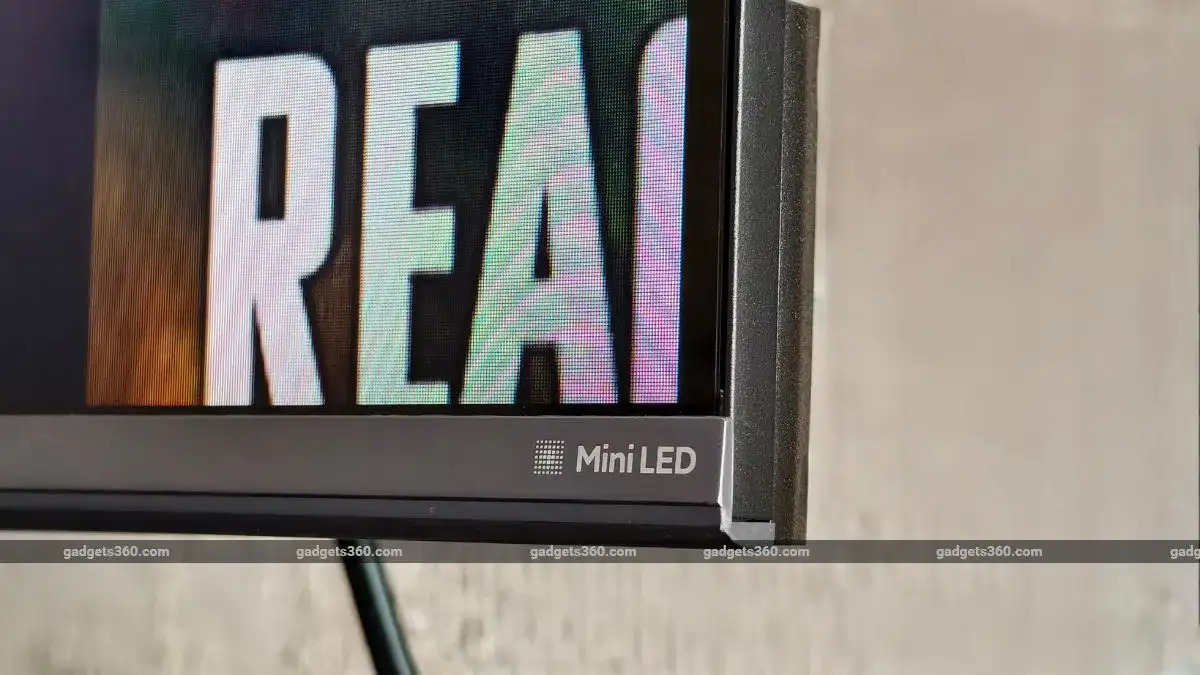
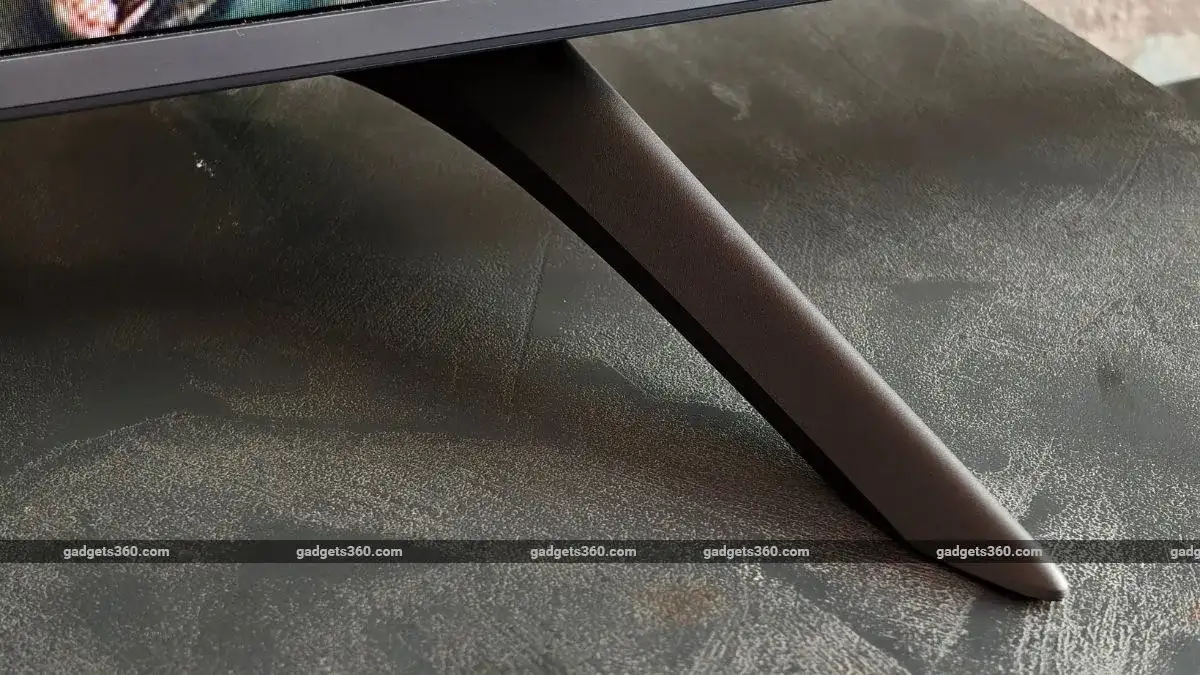
Design and Maintenance: The construction—notably a thicker bottom chin—prioritizes material cost-efficiency. Long-term repairability remains an open concern for owners, as modular components are not designed for ease of maintenance.
Background and Market Positioning
Xiaomi’s strategy in the Mini-LED market centers on commodifying high-contrast backlight technology to undercut traditional display manufacturers. By leveraging Google TV and their proprietary PatchWall interface, the company positions these screens as "content discovery" hubs rather than strictly high-performance panels. As of May 2026, the strategy relies heavily on seasonal price adjustments—frequently targeting events like international sporting tournaments—to clear inventory of the mid-range models while maintaining a tiered ecosystem where only the largest, most expensive panels receive the full spectrum of high-end hardware specifications.