


As of May 20, 2026, the integration of Artificial Intelligence into domestic animal husbandry has shifted from a novelty to a data-driven infrastructure. Silicon Valley tools now manage pet health diagnostics, behavioral training, and dietary regimens, fundamentally altering the traditional vet-owner hierarchy.

The core tension lies between the democratization of animal care information and the inherent risk of algorithmic misdiagnosis. While software platforms like PetVise AI or PerkyPet offer breed-specific health plans and symptom assessment, professional veterinary associations remain the sole legal authority for clinical treatment.
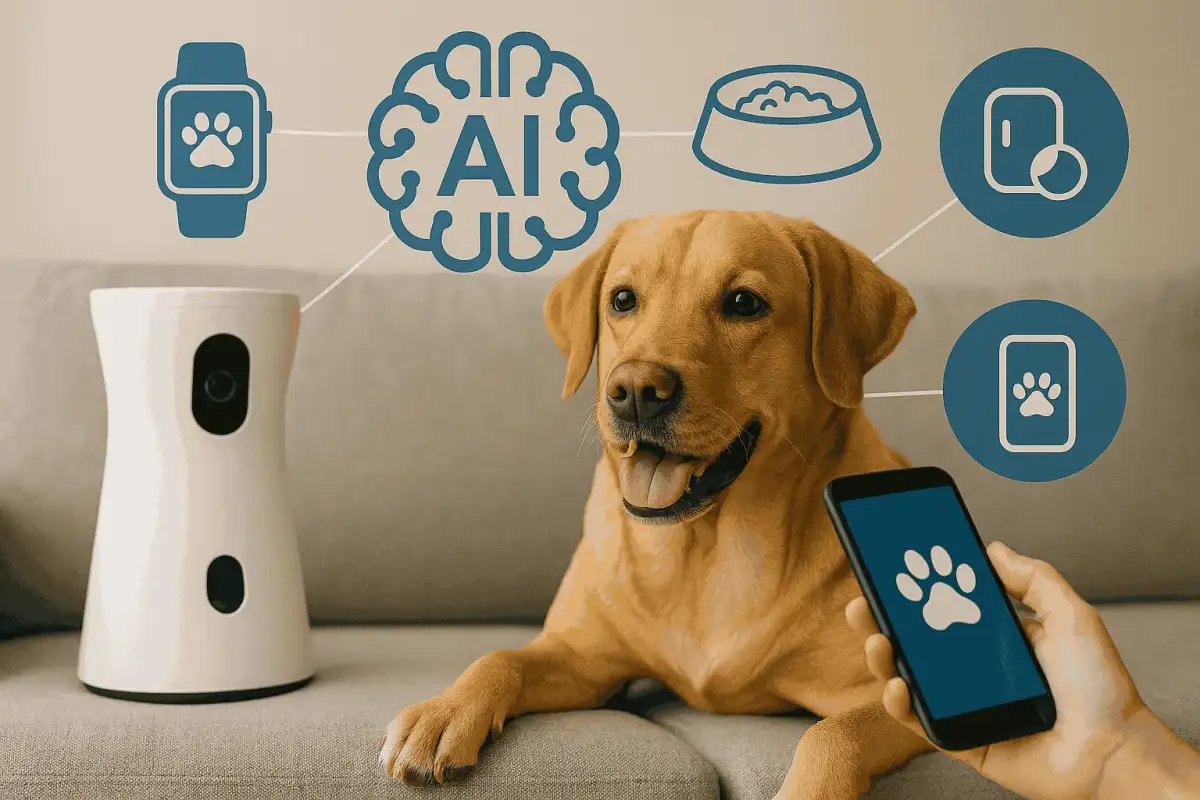
Current Market Categorization
| Function | Mechanism |
|---|---|
| Health Monitoring | AI apps, symptom checkers, remote biometric tracking |
| Logistics | Automated feeders, smart doors, activity data analysis |
| Behavioral | Translation of animal signals, training schedules, and stress-level recognition |
Use of AI in "pet parenting" is marketed as a method to mitigate rising veterinary costs by fostering proactive management.
Applications such as Microsoft Copilot and general LLMs like Gemini or ChatGPT are being utilized to decode biological signals, such as excessive barking or movement, into structured actionable routines.
Tech startups like Cocobon.ai are attempting to centralize the "parenting" experience by linking owners, service businesses, and shelters under unified platforms.
The Problem of Digital Dependency
Industry analysts note that while these tools provide immense utility, they create a "black box" of health management. When a system provides a suggestion for an animal’s health—based on patterns learned from mass datasets—it does not account for the biological uniqueness of the individual pet.
Read More: Chrome mimeHandler API lets extensions handle file types
Developers of these AI tools acknowledge the friction: the technology acts as a bridge to, not a replacement for, clinical intervention. The trend toward "emotionally tuned" devices that claim to measure stress or happiness remains technically experimental, relying on interpretation rather than direct biological telemetry.
Historical Context
The pivot toward smart pet technology has accelerated since early 2025. What began as simple GPS collars and cameras has evolved into a suite of predictive health applications. By standardizing the care routine—from the specific timing of kibble dispensation to automated training intervals—the human element of "animal stewardship" is being increasingly codified into machine-readable sequences. Experts warn that this creates an illusion of control, often overshadowing the necessity of manual, physical checkups with certified veterinary practitioners.



:strip_icc()/GettyImages-688951857-586d7be13df78c17b6e3a3cb.jpg)


