


Widespread Hesitation Underscores Skepticism Amidst Rising AI Adoption
A recent surge in artificial intelligence use within workplaces is met with persistent employee apprehension, according to findings from Gallup polls. Despite the increasing availability and experimentation with AI tools, a significant portion of the workforce continues to opt out. This divergence highlights a complex relationship between technological advancement and human adoption, suggesting that simply offering tools does not guarantee their use.
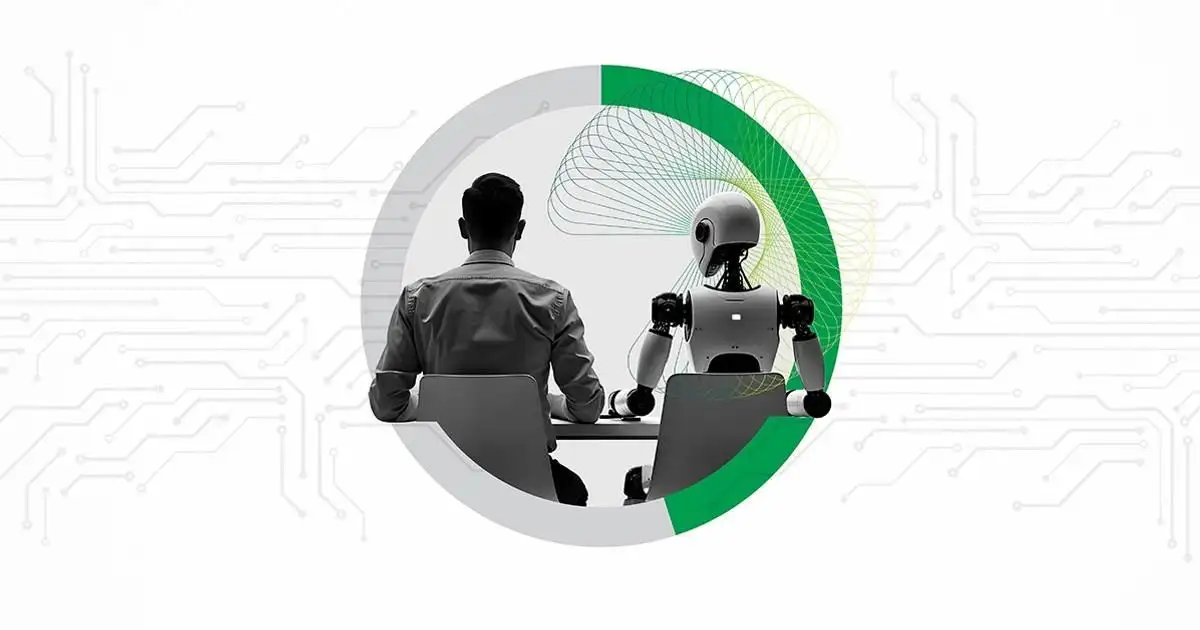
Among employees who have AI tools accessible, about a quarter report having tried AI at work and finding it unhelpful. Furthermore, roughly two in ten indicate they lack the necessary preparedness to use AI effectively. Another fifth of employees are infrequent users, engaging with AI tools only a few times monthly or even yearly.

Leaders, however, show a markedly different engagement. Approximately seven in ten leaders who use AI at least a few times annually report enhanced efficiency, a stark contrast to just over half of individual contributors who use it. This disparity has widened over time, with leaders demonstrating substantially higher and more frequent AI use compared to other employees.
Read More: Chrome mimeHandler API lets extensions handle file types
Reasons for Resistance
The reluctance to adopt AI stems from several factors. Many workers express a simple preference for traditional work methods, while others voice ethical objections to the technology. Concerns over data privacy also play a considerable role in this hesitancy.

While half of all U.S. workers now report using artificial intelligence in some capacity, this figure belies the nuanced reality of adoption. Some employees may be using personal AI tools or engaging with AI without explicit awareness of their organization's official strategy, suggesting a gap between individual experimentation and company-wide implementation.
Gallup's research indicates that broader AI adoption is closely tied to robust managerial support and a clear strategic integration of AI into job roles. Employees less involved in organizational decision-making tend to be less aware of AI initiatives. Knowledge workers, particularly in sectors like technology and professional services, have shown a greater propensity to use AI compared to those in frontline positions.
Read More: Schneider's words hint at trouble for Valenzuela
Defining Use
For the purpose of these surveys, 'Total AI users' are defined as employees who report using AI at work at least a few times a year. 'Frequent AI users' are those who indicate using AI at work a few times a week or more.
Despite leaders championing AI adoption and actively utilizing these tools, the majority of employees remain hesitant. This indicates a crucial need for organizations to approach AI integration with intention and clarity, focusing on workforce preparation and addressing the underlying reasons for employee skepticism.






:max_bytes(150000):strip_icc()/what-is-a-manager-2276096_final-5bdb3aa0c9e77c00518537b5.png)