KOLKATA - As West Bengal gears up for state elections this month, a significant electoral revision has left approximately nine million individuals disenfranchised. The Election Commission states this "Special Intensive Revision" (SIR) aims to purge duplicate and outdated entries from voter lists, a process occurring shortly before polling is set to commence in the eastern Indian state. However, critics argue the revision disproportionately impacts certain communities, raising serious questions about democratic inclusion and fairness.
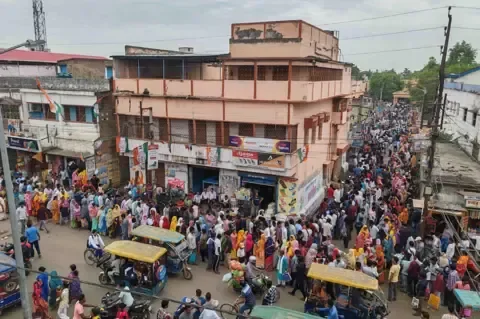
The timing and scale of the voter roll revision have triggered accusations of political manipulation and widespread anxiety about the fairness of upcoming elections. Concerns are particularly acute regarding the exclusion of individuals who possess valid documentation but find their names absent from the updated electoral rolls. Examples abound: a resident of West Bengal discovered only his wife remained on the list, while another reported his name and those of his three children removed despite holding passports and service records. Such instances fuel claims that the revision is not a neutral administrative exercise but a deliberate act to alter the electoral landscape.
Read More: Aboriginal Voters Turned Away From SA Polling Stations on Election Day
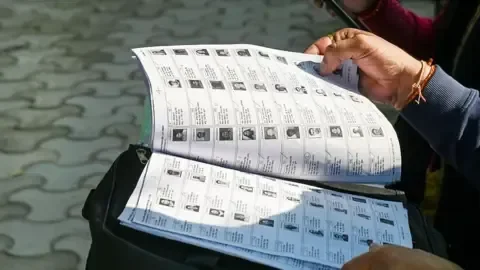
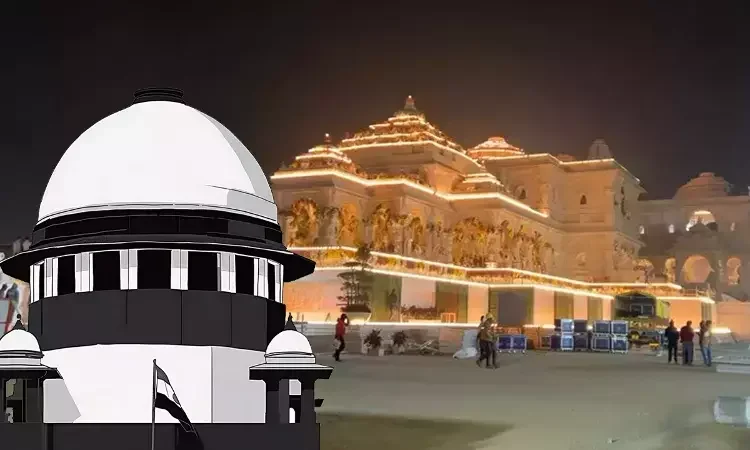
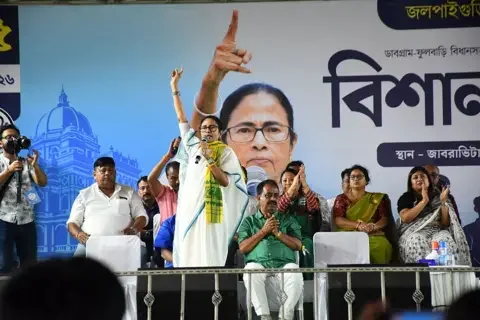
Political leaders, including West Bengal Chief Minister Mamata Banerjee, have vowed to challenge the removals in the Supreme Court of India, framing the issue as a direct assault on the voting rights of citizens. The ruling Trinamool Congress has openly criticized the process, suggesting it is orchestrated to benefit rival political forces. This assertion resonates with wider critiques of electoral roll revisions in India, where similar exercises have previously led to widespread disquiet.

Exclusion Sparks Political Firestorm
The sheer number of individuals removed, coupled with anecdotal evidence of arbitrary exclusion, has ignited a political firestorm. The Bharatiya Janata Party (BJP) and the Election Commission have refuted claims of bias, maintaining the revision is a standard procedure for ensuring accurate voter lists. Yet, for those directly affected, the process feels anything but standard. Reports indicate that the revision demands stringent proof of citizenship, a departure from previous, more automatic enrollment procedures, causing immense difficulty for those who may lack readily available documentation.
Read More: India IVF Costs And Social Barriers Limit Access In April 2026
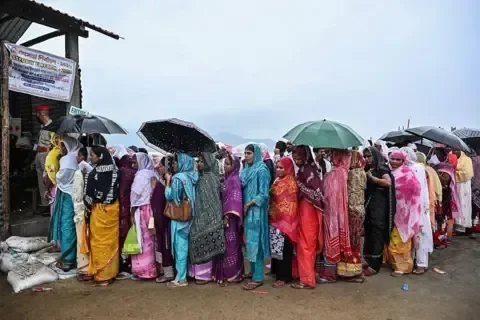
This situation echoes broader patterns observed in other Indian states. In Assam, a previous delimitation exercise, accused of 'gerrymandering,' was criticized for diminishing Muslim representation by redrawing constituency boundaries to create Hindu-majority seats. Similarly, electoral roll revisions in Bihar have been likened by some academics to a de facto National Register of Citizens (NRC) exercise, leading to anxieties about potential deportations and exclusion, particularly among Muslim populations.
Broader Context: Documentation, Migration, and Democracy
The West Bengal situation is further contextualized by India's ongoing debates surrounding citizenship, migration, and electoral integrity. The country's electoral laws permit only Indian citizens to vote, and access to documentation has become an increasingly critical determinant of exercising fundamental rights. For millions of internal migrants who move between states for work, the requirement to vote in person at their registered address presents a significant hurdle, often leading to under-participation. Fears abound that such revisions could disproportionately affect these mobile populations, as well as marginalized communities.
Read More: June 2 Primaries: Delayed Results Expected Due to Vote Counting
The process in West Bengal unfolds against a backdrop of increased scrutiny on India's democratic processes. Allegations of electoral fraud and manipulation have surfaced periodically, casting shadows on the fairness of large-scale democratic exercises. While the stated aim of electoral roll revision is to enhance transparency and accuracy, its implementation in West Bengal appears to have inadvertently amplified social anxieties and political tensions, raising critical questions about the very definition of inclusion in India's vast democratic experiment.