Decisions Made Elsewhere, Voices Unheard
The highest office in the land has pointedly remarked that women engaged in the agri-food sector are conspicuously absent from the corridors where policies are drawn and choices are made. This observation, voiced by President Murmu at a recent global conference, flags a persistent disconnect between those who toil in the fields and those who chart the course for agriculture. The President underscored the need for women to occupy a "greater role in policy formulation, decision-making, and leadership positions."

The President's address, delivered at the three-day Global Conference on Women in Agri-Food Systems, highlighted that such voices are crucial, especially when framing 'women-led development'. Success stories involving women farmers, she contended, must be more widely disseminated to illuminate their considerable contributions. A significant number, pegged at over 4.6 crore women farmers, have reportedly received backing to adopt more advanced farming methods. Initiatives like the 'Namo Drone Didi' scheme, which furnishes drones to women's self-help groups for precision agriculture, were cited as examples of steps towards empowerment.
Read More: New Wheat Makes Bigger Starch for Food and Industry

Targeted Support Lacking, Policy Reform Urged
Beyond calls for inclusion in decision-making, President Murmu also called for specific interventions to bolster women farmers. These include dedicated support for issues surrounding land titles, access to technical knowledge, and the securing of institutional finance. This suggests a landscape where foundational elements necessary for agricultural advancement are not readily available to women.
The conference itself aimed to tackle broader issues of 'governing agrifood systems for climate resilience and gender inclusivity'. Evidence indicates existing barriers frequently impede women's agency in these crucial systems. Policy adjustments, experts note, could focus on strengthening land rights for women, incorporating gender-responsive budgeting, and embedding gender equality into the very fabric of agricultural and climate policies. Ensuring women are at the forefront of leadership, alongside access to climate-relevant agricultural innovations, is seen as essential for making agri-food systems truly work for everyone.
Read More: Climate Models: Why Government Uses RCP8.5 Scenario
Global Context: FAO, EU Studies Echo Concerns
These concerns are not isolated to the subcontinent. International bodies and research initiatives echo the sentiment. The Food and Agriculture Organization (FAO) actively pursues Sustainable Development Goal 5, aiming for gender equality and the empowerment of women and girls in agri-food systems. They highlight the need for 'transformative approaches' to address deep-seated social, behavioral, and institutional causes of inequality.
Similarly, a review by the European Commission has cataloged the gender barriers women encounter, limiting their voice and agency in agricultural food systems. This research reinforces the argument that inclusivity is not merely a matter of fairness but a necessity for building resilient and effective food systems.
Women's Integral Role: From Field to Table
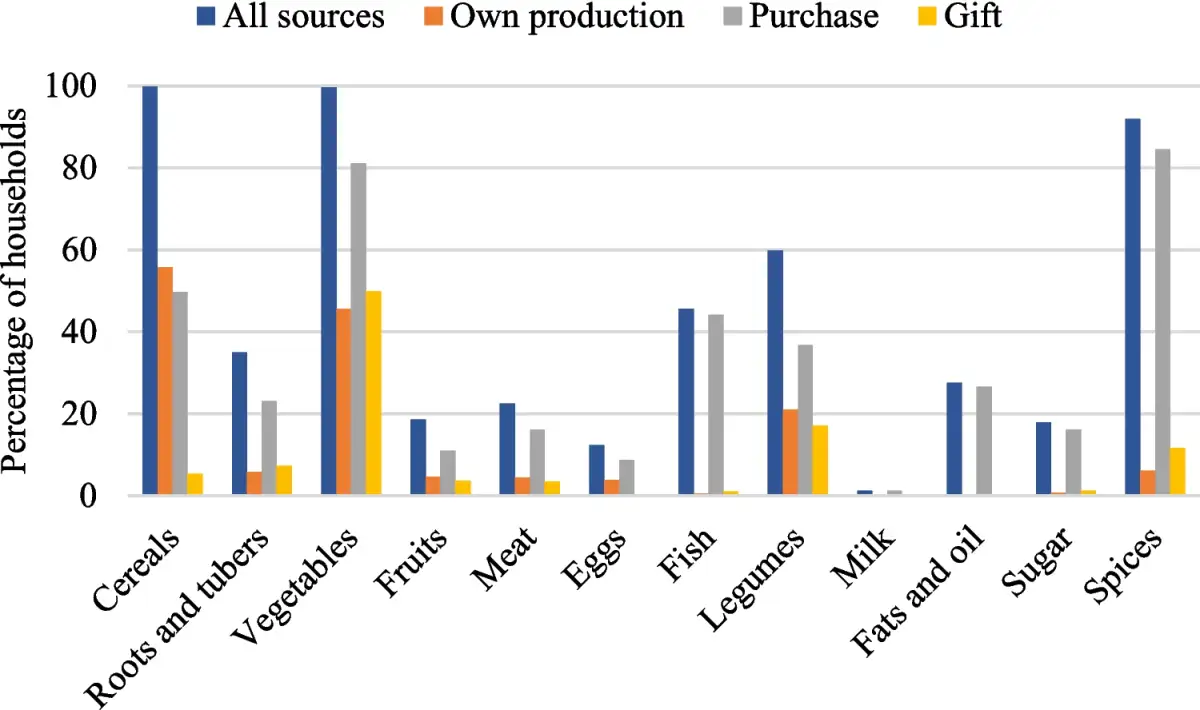
President Murmu, drawing from her own background, articulated the fundamental involvement of women in every facet of agriculture – from sowing and harvesting to processing and market distribution. Their contributions, she stated, are indispensable. Studies also suggest a direct correlation between women's decision-making power on farms and improved 'dietary diversity' within households, underscoring the nutritional implications of their involvement. This points to a broader understanding where sustainable agriculture is intrinsically linked to 'gender inclusivity'.
Read More: Karnataka requests higher Totapuri mango limit for farmers in April 2026