Severe snowfall has caused major disruptions to the Winter Olympics schedule in Livigno, Italy, impacting various events and athlete performances. Compounding these challenges, the construction of new sporting facilities, particularly a bobsleigh track, has drawn criticism over its environmental impact and cost.
The Winter Olympics in Livigno, Italy, are currently experiencing significant disruptions due to heavy snowfall. Events have been delayed, postponed, or even canceled, forcing athletes and officials to adapt to unpredictable weather conditions. The freestyle skiing aerials qualifying round faced delays as organizers worked to clear snow from the course. The women's snowboard slopestyle medal event was ultimately canceled due to the severe weather and will be rescheduled. This weather has also impacted individual athletes, with Canadian ski cross competitors unable to advance past the quarterfinals. One athlete described the ski cross conditions as an "absolute joke," citing speed as a consistent problem throughout the week following fresh snowfall.

Meanwhile, separate concerns surround the construction of new facilities for the Games. A bobsleigh, luge, and skeleton track in Cortina has become a point of contention. Local conservation groups have raised objections regarding the track's environmental effects and its long-term viability after the Olympics, noting that these sports have limited participation in Italy. The Italian government's decision to build a new track for approximately 120 million euros, after initially planning to hold these events outside the country, has been met with scrutiny, especially given the compressed timeline for its construction.
Read More: FIFA World Cup 2026 Revenue Reaches $15 Billion With New Ticket Prices
Disruptions to Olympic Events
Heavy snowfall has significantly altered the planned schedule for the Winter Olympics in Livigno.
The freestyle skiing aerials qualifying round experienced delays as snow was cleared from the jumps to ensure athlete safety.
The women's snowboard slopestyle medal event was canceled entirely due to the severe snowstorm and is set to be rescheduled.
Athletes in ski cross have reported issues with speed and conditions, with one competitor from Canada describing the situation as an "absolute joke."
The Canadian ski cross team saw all four of its athletes eliminated in the quarterfinals, with the difficult conditions cited as a factor.
Kirsty Muir, representing Team GB in Big Air skiing, narrowly missed a medal, finishing fourth. Her final was also previously postponed due to heavy snow.
Controversy Surrounding New Facilities
The construction of new sporting infrastructure, particularly the bobsleigh track in Cortina, has sparked debate.
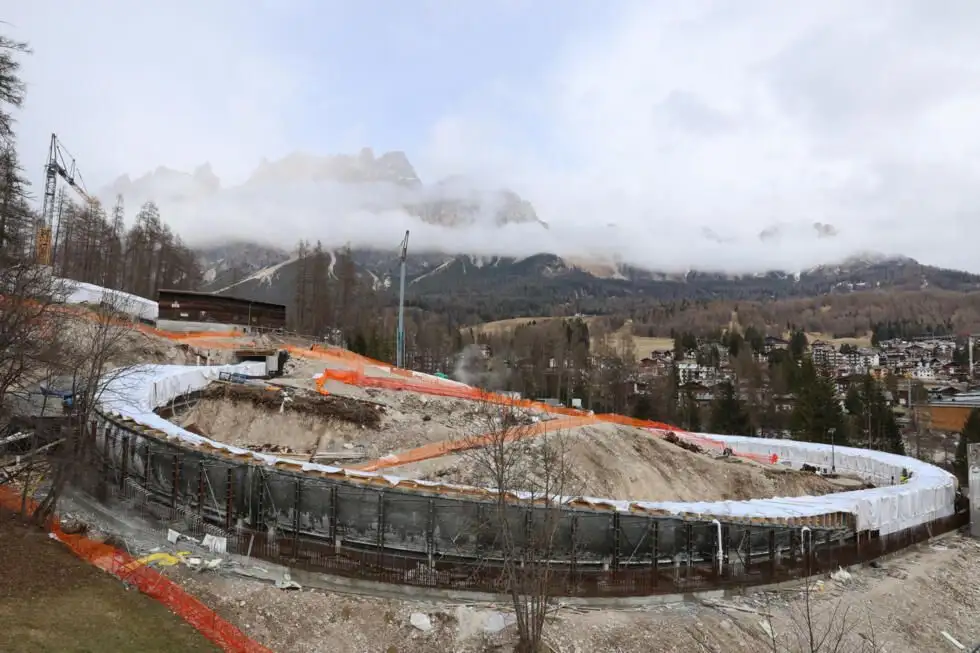
The bobsleigh, luge, and skeleton track in Cortina is one of two new sporting facilities being built for the Games.
Local conservation groups have voiced strong opposition, citing environmental concerns and questioning the necessity of the track for sports with limited Italian participants.
The Italian government allocated 120 million euros for the construction of this new track.
This decision came after organizers initially planned to hold these specific events outside of Italy due to the lack of an active track.
The project is characterized as a significant undertaking, with no bobsleigh track having been built in such a short period historically.
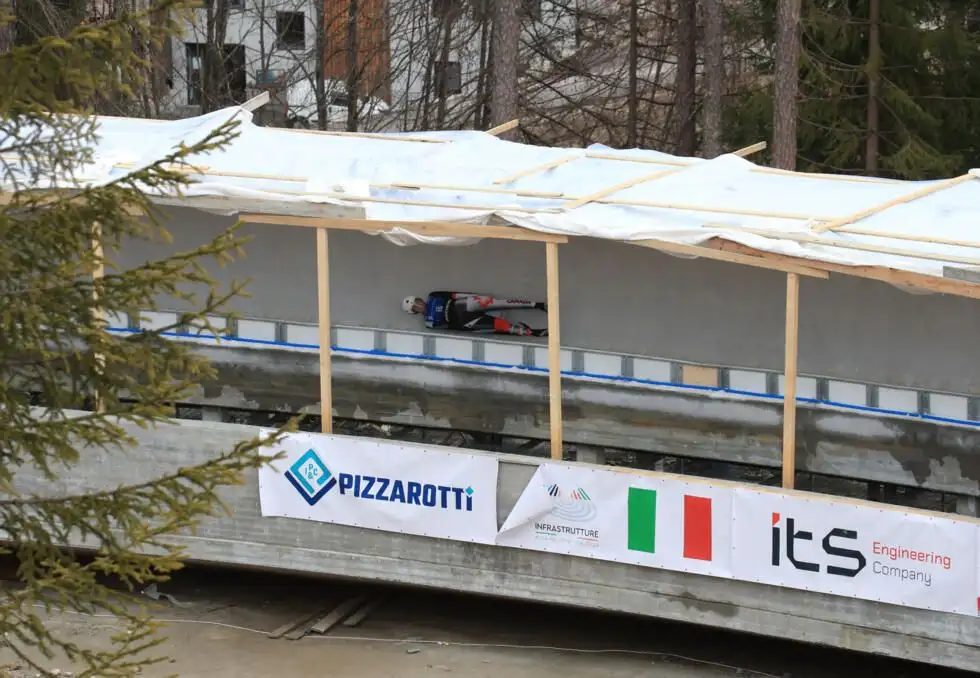
Test runs are being conducted on the 1,749-meter track with 16 turns, where speeds can reach up to 140 km/h.
Athlete Perspectives on Conditions
Athletes have openly shared their experiences with the challenging conditions.
An unnamed Canadian ski cross athlete, who was leading qualification, described the ski cross conditions as an "absolute joke."
This athlete stated, "From my point of view, I did nothing wrong. This is not a good example of what ski cross is."
Speed has been identified as a recurring issue for ski cross competitors throughout the week, particularly after snowfall.
The four Canadian ski cross athletes were unable to advance past the quarterfinals, highlighting the broad impact of the conditions.
Broader Environmental and Cost Concerns
Beyond the immediate impact on the Games, questions have been raised about the long-term implications of the new facilities.
Concerns have been voiced about the environmental impact of the Cortina bobsleigh track.
There is also disagreement about the track's use after the Olympics, given the limited participation in bobsleigh, luge, and skeleton in Italy.
The construction of new venues is part of a broader effort to address recurring criticism regarding the cost and environmental footprint of major sporting events.
The Winter Olympics are being officially structured around two cities, Milan and Cortina d’Ampezzo, with a spread of venues across seven zones.
Expert Analysis and Official Statements
Information gathered indicates varied perspectives on the events and constructions.
The severity of the weather led to the postponement of the Big Air skiing final, featuring Kirsty Muir, narrowly missing a medal for Team GB.
Officials have been actively clearing snow from jumps to ensure safety during the freestyle skiing aerials qualifying round.
The decision to build the new bobsleigh track was made by the Italian government in February 2024.
The Cortina track underwent a pre-homologation process, with Mattia Gaspari being one of the first to race down it to ensure safety.
Conclusion and Implications
The Winter Olympics in Livigno are currently grappling with dual challenges: severe weather disrupting competition and controversies surrounding the development of new infrastructure. The heavy snowfall has led to event cancellations and delays, creating a tense atmosphere for athletes and organizers alike. Simultaneously, the construction of the Cortina bobsleigh track has ignited environmental and financial debates, questioning the long-term value and impact of such projects. The outcomes of these disruptions and controversies will likely shape public perception and future Olympic planning, particularly concerning environmental sustainability and the logistical complexities of hosting international sporting events in diverse and sometimes unpredictable conditions.
Read More: AC Milan transfer news April 2026 Ruben Amorim targets new players
Sources Used:
Article 1: Howden qualifie les conditions de ski cross de « blague ridicule »
Published: Il y a 7 heures
Link: https://www.rds.ca/jeux-olympiques/article/howden-qualifie-les-conditions-de-ski-de-cross-de-blague-ridicule/
Context: Reports on athlete commentary regarding ski cross conditions.
Article 2: Livigno's idyllic quality enhanced as snow stops play
Published: Il y a 5 jours
Link: https://www.abc.net.au/news/2026-02-17/snow-livigno-winter-olympic-games/106351744
Context: Provides descriptive context of Livigno with snow, mentioning its use for summer skiing and the slick conditions it creates.
Article 3: Winter Olympics Schedule in Chaos as Snowstorm Hits Livigno, Italy
Published: Il y a 4 jours
Link: https://britbrief.co.uk/sports/olympics/winter-olympics-schedule-chaos-as-snowstorm-hits-italy.html
Context: Details the direct impact of a snowstorm on the Winter Olympics schedule, including postponements and cancellations.
Article 4: 'An Italian miracle': Controversial Winter Olympics track slides into action
Published: 25 mars 2025
Link: https://www.france24.com/en/live-news/20250325-an-italian-miracle-controversial-winter-olympics-track-slides-into-action
Context: Focuses on the Cortina bobsleigh track, its test runs, and the environmental concerns surrounding it.
Article 5: JO d’hiver 2026 : "Le scandale de ces JO !" Pourquoi une association de protection de l’environnement s’insurge à propos d’une piste de bobsleigh
Published: 5 févr. 2025
Link: https://www.ladepeche.fr/2025/02/05/jo-dhiver-2026-le-scandale-de-ces-jo-pourquoi-une-association-de-protection-de-lenvironnement-sinsurge-a-propos-dune-piste-de-bobsleigh-12492889.php
Context: Explains the environmental controversy and the Italian government's decision to build a new bobsleigh track.